5 unanswered questions ahead of Patrick Clancy "60 Minutes" interview - Newsweek
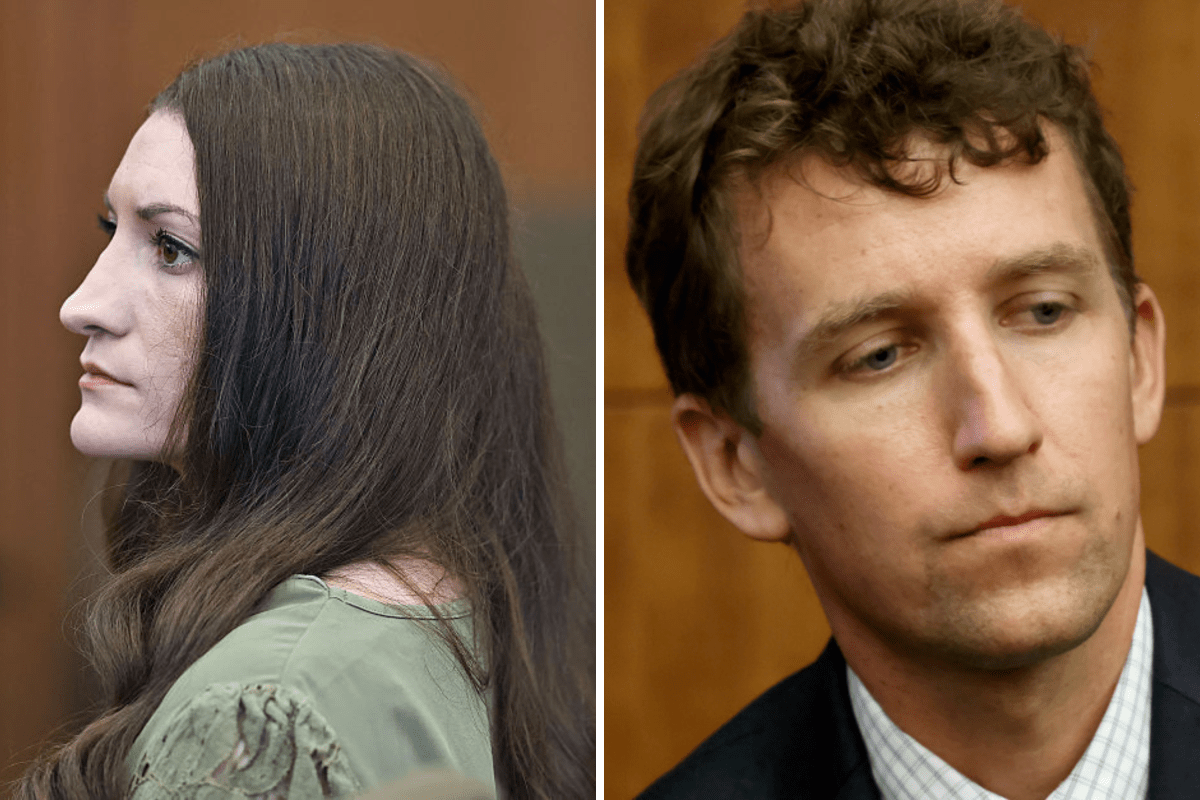
Patrick Clancy is set to appear on 60 Minutes this Sunday, his first in‑depth interview since his ex‑wife’s murder trial ended in a mistrial.
It arrives as the family prepares for a September 29 hearing that may determine what comes next in one of Massachusetts’ most scrutinized criminal cases. Prosecutors have not yet said whether they will retry Lindsay Clancy, whose case has reignited national debate over postpartum mental illness and criminal responsibility.
Patrick, who discovered his three children dead in the basement of their Duxbury home on January 24, 2023, has said he forgives Lindsay and views her as ill rather than evil. Lindsay was charged with three counts of murder and three counts of strangulation in the deaths of her three children—Cora, 5, Dawson, 3, and Callan, 8 months—in 2023.
Jurors who heard his anguished 911 call later revealed they were split 11–1 in favor of finding her not criminally responsible, a divide that highlights how many questions remain unresolved.
During the six‑week trial, prosecutors argued that Lindsay acted “intentionally, rationally, and swiftly,” pointing to her deliberate actions—sending Patrick out of the house, checking drive times, and choosing the basement and exercise bands as the method.
They emphasized that none of her clinicians observed psychosis and that she denied suicidal or homicidal thoughts the day before the killings. They also highlighted inconsistencies in her account of hearing a commanding male voice, noting she reported hearing it only once and never again after the deaths.
The defense countered with a different portrait, presenting a mother in the throes of postpartum psychosis, deteriorating rapidly after months of insomnia, intrusive thoughts, medication changes, and emergency evaluations.
Forensic psychiatrist Phillip Resnick testified that Lindsay was “clearly psychotic” and compared her behavior to a puppet being controlled by an external force. Her journals, introduced at trial, documented “horrible thoughts,” fear, and cognitive decline, with entries becoming nearly illegible in January.
The 60 Minutes interview may shed light on how Patrick interpreted her mental state then—and how he understands it now. Jurors said his testimony was among the most influential in their deliberations, reinforcing the possibility that Lindsay’s actions stemmed from profound psychiatric collapse rather than intent.
Another unresolved question is why the tragedy occurred on a day that, by all accounts, appeared routine.
Patrick testified that Lindsay slept “pretty well,” took Cora to a pediatric appointment, built a snowman with the children, and exchanged normal texts with him throughout the afternoon. Surveillance footage showed him calling her from the pharmacy, asking about medication for Cora’s stomachache.
“She was pretty quiet. It sounded like she was busy,” he said.
Yet within minutes of him leaving to pick up takeout, Lindsay strangled all three children and attempted suicide.
In later filings, she said a commanding voice grew louder and more urgent after Patrick left: “This is your last chance. You have to kill the kids so you can kill yourself.”
Prosecutors argued the timing reflected planning, not psychosis. The defense said the abrupt shift was characteristic of postpartum psychosis, which can produce sudden, catastrophic breaks from reality.
Patrick’s perspective—especially whether he noticed anything unusual that day—may help clarify how such a drastic shift could occur in a matter of minutes.
Between September 2022 and January 2023, Lindsay cycled through 13 psychiatric medications, including Zoloft, Ativan, Buspar, Prozac, Remeron, Klonopin, Seroquel, trazodone, Lamictal, and amitriptyline.
She reported adverse effects, insomnia, intrusive thoughts, and fear of addiction. Providers disagreed on whether her symptoms stemmed from postpartum depression, bipolar disorder, or medication side effects.
Toxicology tests showed Remeron and Seroquel in her system at concentrations suggesting ingestion roughly two hours before the killings. A wine tumbler found beside the bloody knife contained white residue, though it was never tested. Forensic psychologist George Saathoff testified Lindsay told him she took pills in lemonade in an attempted overdose.
The defense argued overmedication contributed to her mental collapse. Prosecutors said the levels were “not consistent” with an overdose and suggested she may have staged aspects of her suicide attempt.
Patrick’s interview may address whether he believes medication played a role and whether he thinks her treatment was appropriate or dangerously fragmented.
A major unresolved question is whether Lindsay’s clinicians should have recognized the escalating danger.
She saw multiple providers, often via 20‑minute telehealth appointments, and was treated by nurse practitioners who did not coordinate with one another. Some were unaware she was simultaneously under the care of other clinicians. She visited emergency rooms repeatedly, contacted suicide hotlines, reported intrusive thoughts of harming the children, and was hospitalized at McLean Hospital for severe depression.
Yet no provider recommended separating her from the children. Patrick testified, “No one ever told me my wife shouldn’t be alone with the children. I didn’t know what psychosis was until after this happened.”
Her mother, sister, and mother‑in‑law all testified that Lindsay expressed fear, suicidal ideation, and concerns about her mental state. Her journals documented worsening symptoms. Providers disagreed on diagnoses, medication plans, and whether her symptoms were pharmacologically induced.
Patrick and Lindsay have both filed lawsuits alleging medical negligence. His interview may reveal whether he believes the system failed and whether he thinks intervention could have prevented the tragedy.
The mistrial left the case's future uncertain.
Jurors deliberated for more than seven days before reporting a deadlock. The foreperson told Judge William F. Sullivan that a lone holdout might be disregarding instructions on reasonable doubt.
The tally, later confirmed by jurors, was 11–1 in favor of finding Lindsay not criminally responsible. Defense attorney Kevin Reddington filed an emergency appeal to remove the holdout, but the Massachusetts Supreme Judicial Court denied it.
Sullivan declared a mistrial on September 4. Prosecutors have not said whether they will retry the case. Reddington has since filed a motion asking Sullivan to dismiss the charges entirely, arguing the holdout juror failed to follow the law.
Jurors themselves have said they do not support dismissal, believing Lindsay should receive treatment rather than walk free.
A hearing is scheduled for September 29, where the judge may address the mistrial motion and prosecutors may signal their intentions.
Patrick Clancy’s first televised interview since his ex‑wife’s murder trial ended in a mistrial will air Sunday, September 20, on CBS. The segment, anchored by correspondent Ross Douthat, is scheduled for 7 p.m. ET/PT and will also stream on Paramount+ for subscribers.
The network released a brief teaser showing Clancy preparing for the sit‑down, marking the first time he has spoken publicly at length about the deaths of Cora, Dawson, and Callan, the mistrial, and the conspiracy theories that have circulated online since the case began.
Contact Newsweek editors on this story: Gabe Whisnant and Sam Wilson.