A new crop of Democratic early-state kingmakers rises for 2028 - Semafor
One Democratic lawmaker — Rep. Jim Clyburn — played a pivotal role in the party’s 2020 presidential primary.
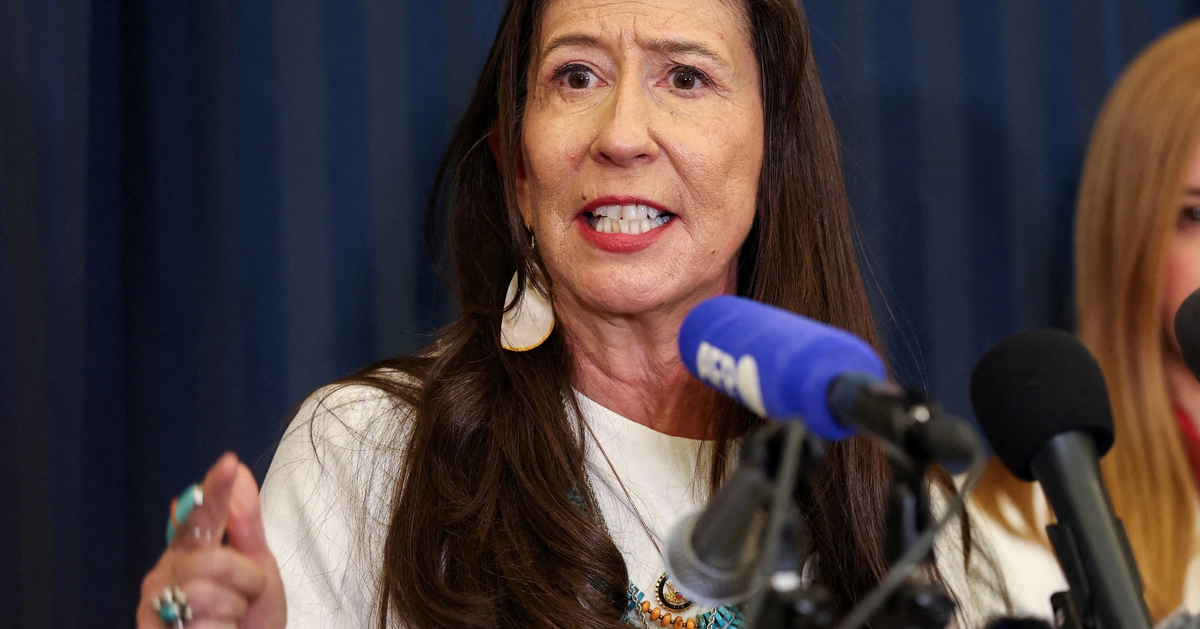
Which means you’re about to hear a lot more from Reps. Teresa Leger Fernández, Steven Horsford, and Maggie Goodlander.
Not to mention Sens. Ben Ray Luján, Jacky Rosen, Maggie Hassan, and more.
Democrats’ decision to bump up New Mexico to their fourth primary spot in 2028, right after the now-familiar trio of South Carolina, Nevada, and New Hampshire, bestows growing prominence and sway on congressional delegations from all four states. Populous Michigan and Virginia, fifth and sixth on the primary calendar, will be right behind them.
Democrats in the previous cast of early states are going to find new opportunities to wield their clout with a field that could easily number in the dozens. And lawmakers from states newer to the early-primary lineup are already preparing to elevate what matters to their constituents, as they get wooed by presidential aspirants.
“I want them to come to New Mexico and look at the issues that we face,” said Fernández, D-N.M. “I want to see the candidates inspire the kind of communities that will make a difference in both the primary election and the general election.”
With competitive midterm races happening in nearly all of the early states, potential Democratic presidential candidates are already on the trail with purple-district incumbents and candidates. Other lawmakers from early-primary states are fielding calls from 2028 contenders looking to appear with them.
To name just a recent few: California Gov. Gavin Newsom appeared at the opening of a state party campaign office with Horsford; Maryland Gov. Wes Moore has done events for Nevada’s Democratic gubernatorial nominee, Aaron Ford; and New Mexico candidates have seen visits by former Transportation Secretary Pete Buttigieg, Rep. Ro Khanna, D-Calif., and Illinois Gov. JB Pritzker.
“I’m not taking sides early. They’re all going to have to earn it,” said Horsford, whose district includes Las Vegas. He said he was hoping candidates would “understand that working-class people care about their healthcare, housing, childcare, elder care.”
Rep. Gabe Vasquez, who represents a Trump-won New Mexico district, said Buttigieg had recently appeared with him. He named housing, water, and immigration as the top issues for candidates “to really come and understand how tough this economy truly is and what it’s going to take to fix it.”
Democrats are also pouring into competitive Senate races in states like New Hampshire, where Rep. Chris Pappas is facing former Sen. John Sununu. But Luján says his colleagues are eager to visit him in New Mexico, too, even though Republicans struggled to even field a candidate against him.
“Come on down and visit New Mexico, get to know the state. Get to know the people,” Luján told Semafor. “I certainly hope that whoever the next president of the United States is a Democrat and is a Democrat that understands New Mexico.”
Luján’s fellow New Mexico senator, Martin Heinrich, said Democrats are still working through how they will host candidates in early-primary states in 2027 and 2028. But he said the new calendar is a big deal for New Mexico, which dropped off the swing-state map in 2008 after then-Sen. Barack Obama turned it blue.
“We have a lot of really unique issues that are not something that you learn about through osmosis in other parts of the country,” Heinrich said.
New Mexico will get “presidential candidates to care about water, public lands, national laboratories,” he added — “things that many of them just don’t have that much familiarity with.”
Luján also said his state has great food, but cautioned candidates about a regional tripwire: feeling compelled to choose between the state’s famous green and red chiles.
“It depends what they’re eating. Anyone that gives you an answer? They don’t know the state,” he said. “You can’t pick one.”
Democratic incumbents in tight races are hoping to reap electoral benefits from 2028 candidates who are coming through their districts. The visits tend to energize the base ahead of the midterms and may also broaden congressional candidates’ appeal.
“I always look at the quality of events. Are they putting me in front of voters who I really haven’t connected with before? That’s sort of my No. 1 goal,” said Rep. Susie Lee, D-Nev., who represents a purple district.
She called herself a “Buttigieg fan” this time and said she would endorse in the 2028 cycle, though she was waiting to learn more about other candidates’ positions.
It helps that three early-primary states for 2028 are also hosting competitive Senate races this fall. Sen. Mark Kelly, D-Ariz., just campaigned in New Hampshire, and he’ll be heading to both Michigan and South Carolina, completing the trifecta.
“We’ve never had a problem with getting people to pay attention to our state because we’ve always been a swing state. And I think the calendar probably heightens it,” said Sen. Elissa Slotkin, D-Mich. “We’re a good microcosm and often canary-in-the-coal-mine on issues, so we want to be in the mix.”
Not every Democrat is sold on the new calendar. Those in New Hampshire say their state law supersedes the party’s revised order, which puts South Carolina ahead of them.
“I continue to remind folks that New Hampshire has a state law, so we’re going to have the first primary,” Hassan told Semafor. “We are seeing a lot of people come up and campaign and support our candidates, and we continue to think that it’s really good for candidates, especially Democratic candidates, to be on the ground doing retail politics.”
The next generation of Democrats is clearly relishing the opportunity to help their party turn the page.
After generations of candidates aligned their strategies around the Iowa caucuses and the first-in-the-nation primary in New Hampshire, Democratic candidates will now have to appeal to more diverse voters and work harder to stand out from a likely crowded field.
But the huge slate of candidates could also prevent a repeat of Clyburn’s success in resuscitating Joe Biden’s campaign in 2020. The senior House Democrat became a kingmaker for Biden by giving him momentum heading into Super Tuesday after Biden’s poor showing in the first three states.
This time, a half-dozen states are going before Super Tuesday and some of them have tons of delegates. That means Democratic contenders have a lot more lawmakers to woo.