A safer future for women is a stronger future for South Africa - IOL
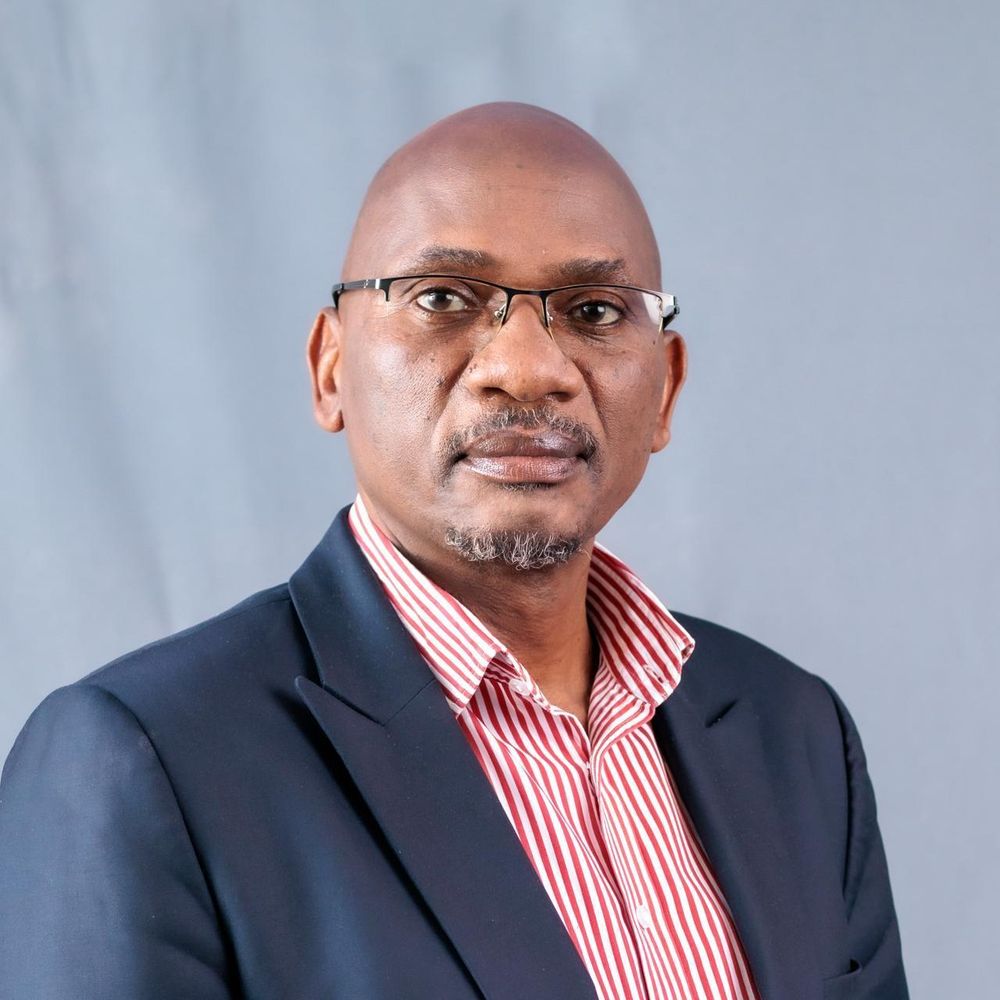
Ramateu Monyokolo is the Chairperson of AWSISA.
There are moments when a nation must stop, look beyond the headlines, and ask itself a difficult question: What happens to a society when its women are no longer safe simply to live, work, walk, raise families and participate in public life? South Africa is confronting such a moment.
It is in moments such as these that the words “I am my sister’s keeper” acquire their deepest meaning. The theme of the newly established AWSISA Women’s Forum is not simply a statement of solidarity among women.
It is a call to collective responsibility. It says that the safety, dignity, and well-being of one woman cannot be separated from the well-being of another. It challenges us to reject indifference and to recognise that when one woman is threatened, abused, or killed, the whole community is diminished.
Behind every statistic is a daughter who will not return home, a mother whose children must grow up without her, a sister whose absence will be felt at family gatherings, and a community deprived of a human being whose contribution can never be replaced. This is why femicide cannot be regarded only as a criminal justice problem. It is also a social, cultural, economic, and developmental crisis.
Women are among the principal custodians of the living heritage through which societies reproduce themselves. Across generations, women have carried languages, stories, customs, food traditions, indigenous knowledge, family histories, and community values from one generation to another. They have nurtured children, sustained households, built livelihoods, and held communities together through adversity.
When a woman is murdered, therefore, we lose more than a life. We interrupt a chain of knowledge, care, memory and belonging. A nation that repeatedly loses its women to violence is not merely losing citizens. It is eroding the human infrastructure of its own future.
The principle “I am my sister’s keeper” therefore extends beyond protection from physical violence. It is also about protecting the knowledge, values, traditions, and relationships that women carry across generations. It is about creating a society in which women can continue to nurture families, lead communities, participate in the economy, and preserve our collective heritage without fear.
This has a profound connection to another resource upon which every society depends: water. Water and women are connected by life itself. Water sustains households, agriculture, health, and communities.
Women, particularly in rural and underserved communities, have historically carried a disproportionate responsibility for securing, managing, and protecting water for their families. This remains a global reality. International evidence shows that women and girls continue to bear a disproportionate burden of household water collection, particularly where water is not available on the premises.
South Africa’s own data demonstrate the continuing gender dimension of water access. Statistics South Africa reports that female-headed households are more likely than male-headed households to fetch water from streams or rivers, while women also spend more time collecting water. The consequences extend far beyond inconvenience.
For this reason, water infrastructure is also social infrastructure. A reliable tap closer to home is not merely a service-delivery achievement. It can mean less time spent walking, greater dignity, improved safety, and more opportunities for women and girls.
South Africa’s 2026 National Water Month recognised precisely this intersection by placing water and gender at the centre of its theme, highlighting women’s leadership and participation in water decision-making.
The Forum should become a platform through which women’s voices across the water and sanitation sector are organised, amplified, and translated into action. It should connect professional women in water institutions with women in rural communities, municipalities, research institutions, civil society, and the broader development community.
Its mandate should extend beyond celebrating women. It should ask difficult questions.
Are water projects designed with women’s safety and lived realities in mind? Are rural women sufficiently represented in water governance? Are sanitation facilities safe and dignified? Are women being equipped to lead water conservation and climate-resilience initiatives? How can water infrastructure reduce, rather than reproduce, gender inequality? And, importantly, how can the water sector contribute to the wider struggle against violence against women?
AWSISA’s answer must be rooted in partnership, evidence, and action. The Women’s Forum can convene conversations between women in the sector and communities; promote women’s participation in water governance; support mentorship and leadership development; champion safer and more accessible water and sanitation infrastructure; elevate indigenous and community knowledge; and build partnerships around water security, climate resilience, and women’s economic empowerment.
It can also help change the narrative about women in the water sector: from beneficiaries and users to leaders, custodians, professionals, and decision-makers. This is not about placing the responsibility for solving femicide on women. “I am my sister’s keeper” does not mean that women must carry the burden of protecting themselves from violence. It means that we refuse to abandon one another. It means solidarity among women and accountability across society.
The responsibility for ending violence belongs to society as a whole. Men must be part of that transformation. Institutions must be accountable. Communities must refuse to normalise violence. Law-enforcement agencies must pursue perpetrators. And infrastructure planning must recognise that safety and dignity are fundamental dimensions of service delivery.
The grief surrounding the recent killings is immense. But grief must become action. The AWSISA Women’s Forum gives the water sector an opportunity to contribute to that action in a distinctive way: by connecting the protection of women with the protection of water, community resilience, and living heritage. We cannot claim to protect our heritage while allowing the women who carry that heritage to live in fear.
We cannot speak of water security while women continue to bear disproportionate burdens because water is inaccessible. We cannot build climate-resilient communities without women’s knowledge, leadership, and participation.
And we cannot build a resilient nation while women are being killed. The challenge before us is therefore larger than water. It is larger than gender. It is larger than infrastructure. It is about what kind of society we choose to become. Let the AWSISA Women’s Forum become part of that answer.
Let “I am my sister’s keeper” become more than a theme. Let it become a commitment to stand with women, to protect their dignity, to amplify their voices, to defend their right to live without fear, and to ensure that their knowledge and leadership continue to strengthen future generations.
Let us protect women. Let us protect water. Let us preserve the knowledge and heritage that bind generations together. Because every woman protected is a future preserved, every girl empowered is a generation strengthened, and every drop of water secured is an investment in the life of our communities.
Let us turn our outrage into action, our grief into leadership, and our commitment into a future in which every woman can live, lead, and flourish without fear.
Ramateu Monyokolo is the Chairperson of AWSISA.