A society that overlooks late bloomers - Prothom Alo English
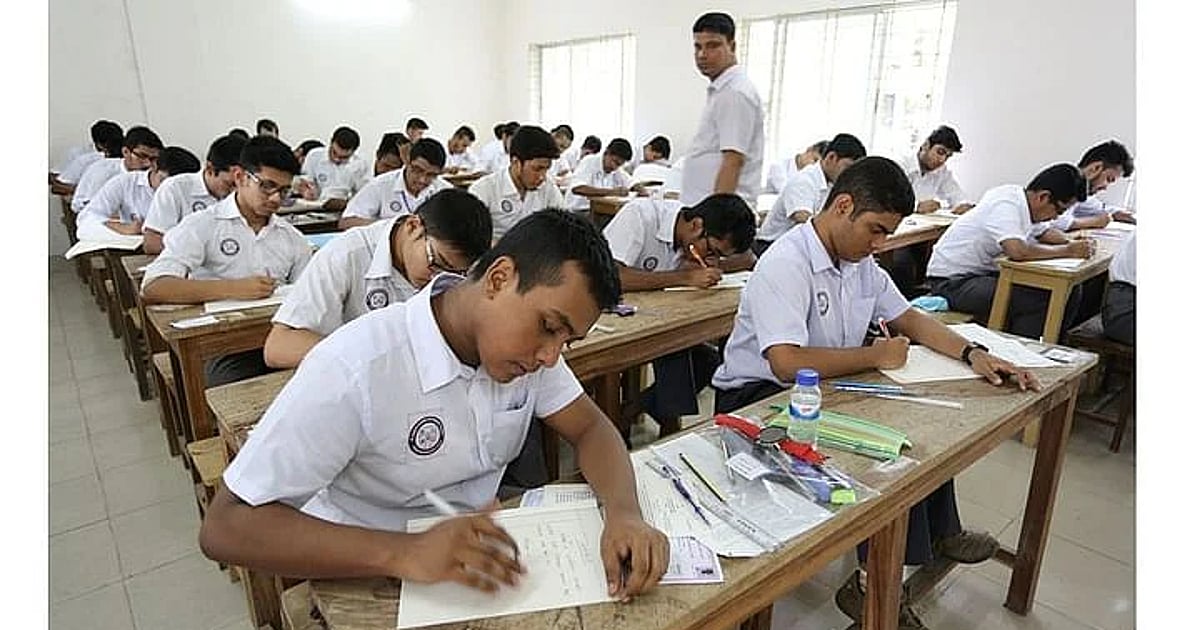
Candidates sit for SSC exam. In a society that treats a single standardised exam at age 16 as the ultimate determinant of human potential, our socio-educational structure leaves virtually no room for late bloomersFile photoOur society is an adverse place for late bloomers. A late bloomer is typically someone who discovers their true capabilities later in life, often harbouring talents or strengths that go unnoticed for years. Such individuals frequently struggle with traditional, exam-driven educational systems that emphasise conformity over creativity.
We often talk about the shortcomings in our education system, especially after the publication of public exams like SSC and HSC. But one important idea often remains absent from our public discourse about the overall education system: That is the idea of blooming late. Often, we see late bloomers are left to their fate. They do not get a social environment conducive to growth.
The recent publication of the SSC Result 2026 brought the familiar wave of national anxiety, celebration, and despair. With an overall pass rate hovering around 62.25 per cent to 66 per cent across education boards, over a third of examinees find themselves labeled as "failures" before their adult lives have even begun. In a society that treats a single standardised exam at age 16 as the ultimate determinant of human potential, our socio-educational structure leaves virtually no room for late bloomers.
Modern society, and particularly our academic environment, is obsessed with early achievement. We celebrate young prodigies, top GPA-5 scorers, and teenagers who secure admissions to elite institutions on their first try.Those that barely passed or even failed in SSC could be late bloomers.
Human development theories and research show that human development is not linear, some individuals bloom later than others. Some individuals discover their aptitude for critical thinking, creative expression, or technical problem-solving much later in life. Everyone is unique in how they learn and grow. Our ways of thinking are diverse; our learning process and strategies are different. Yet, our rigid academic system demands peak performance at a fixed age, discarding those who mature on a different timeline. Also, our development is certainly affected by the people and support we grow with and environment they live in.
Real-life stories also suggest that late blooming is real. Some take time to find their talents, interests, passion and voice. Some can think critically and independently and unveil their talents at 9, some at 20 some at 30, even some at 40 , of course some never. Late blooming is not a flaw rather a variation of human development.
For instance, some banks strictly set their eligibility criteria for job application. If you do not meet specific GPA thresholds in SSC and HSC exams, you are not even eligible to apply. Universities in Bangladesh also follow a similar pattern in faculty recruitment. Regardless of later academic excellence or professional growth, candidates with lower grades in their school and college cannot even apply. This applies to many other public jobs as well. It means that our society does not want to recognize the talents that flourish later or applicants are often judged based on who they were, not who they are.
I know many individuals who achieved outstanding academic results, like GPA-5 in their secondary and higher secondary exams, and were praised by society for their success in school or college. Yet, they ended up in careers they neither enjoy nor are recognised for. On the other hand, there are those who didn’t excel in early education but later thrived in higher studies and professional life, standing out through their creativity and talents.
Throughout my school, college years, I was often a mediocre or below-average student, a back bencher, as often said. The challenges of being in that position are constant and exhausting. Many who fall into this category have, at some point, considered dropping out due to feelings of isolation and fear of rejection.
We’re reminded of the powerful story in the Bollywood film Taare Zameen Par, where Ishaan, a child struggling with academic failure and parental pressure, blossoms when given personalised care and attention. Sadly, in our education system, the spotlight is often on those who need it the least, while those who truly require support are left in the shadows.
If you are a low achiever in your SSC or HSC or even failed, do not give up. The journey is not certainly easy for a late bloomer in this society. This is an unlikely place for you. Your talents may go unrecognised and unnurtured, you may not get a supportive environment. But again, do not give up, dismiss the toxic public opinions and keep up with your creativity and passion.
To the parents, if your child is an average achiever or below average or even failed, maybe she/he is a late bloomer. He/she is still struggling to find his/her way in the school or college. Do not judge them and do not let them feel down. Just let them pass the early stages.
* Parvez Uddin Chowdhury is a development worker.