
Afrodescendant and Quilombola Lands Have Up to 55% Less Deforestation, Study Finds - Folha de S.Paulo
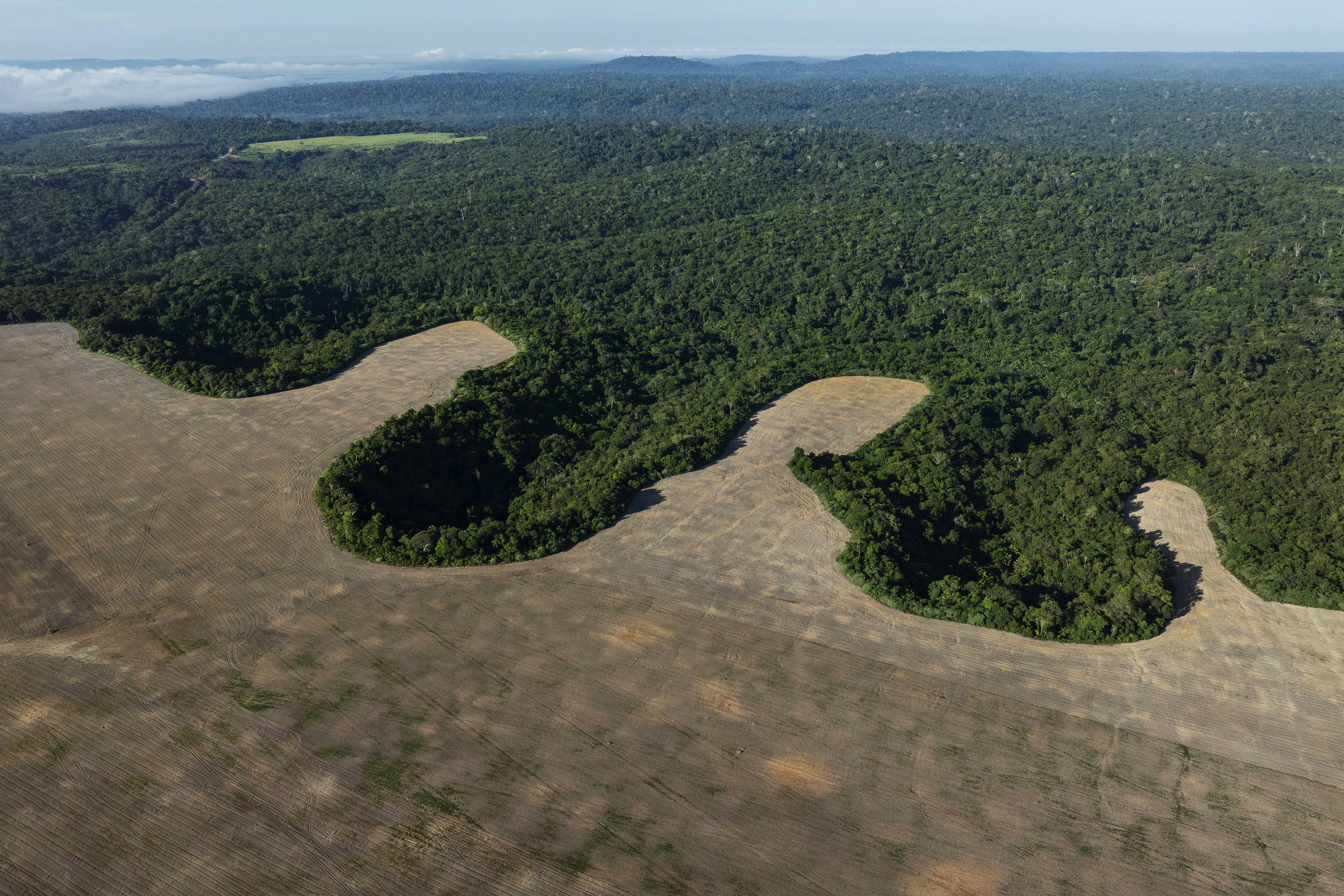
Deforestation rates on lands of Afrodescendants in Brazil, Colombia, Ecuador, and Suriname can be up to 55% lower than in similar untitled territories, according to a study published Tuesday (22) in the scientific journal Communications Earth & Environment, from the Nature Group.
The research, conducted by the NGO Conservation International, combines 21 years of statistical and spatial data with historical records to quantify the role of Afrodescendant communities —such as quilombolas— in environmental protection. The results show that their lands have higher levels of biodiversity and carbon retention, along with less forest loss.
"One of the reasons we carried out this study is the lack of documentation on the contributions of Afrodescendant people to environmental preservation," says lead author Sushma Shrishtha. According to the researcher, areas like quilombos are crucial to tackling climate change and global biodiversity loss.
Although they occupy only 1% of the territory of the four countries, more than half of Afrodescendant lands are located within the 5% most biodiverse areas in the world.


