After crucial Paramount agreement come relief, anger and concern
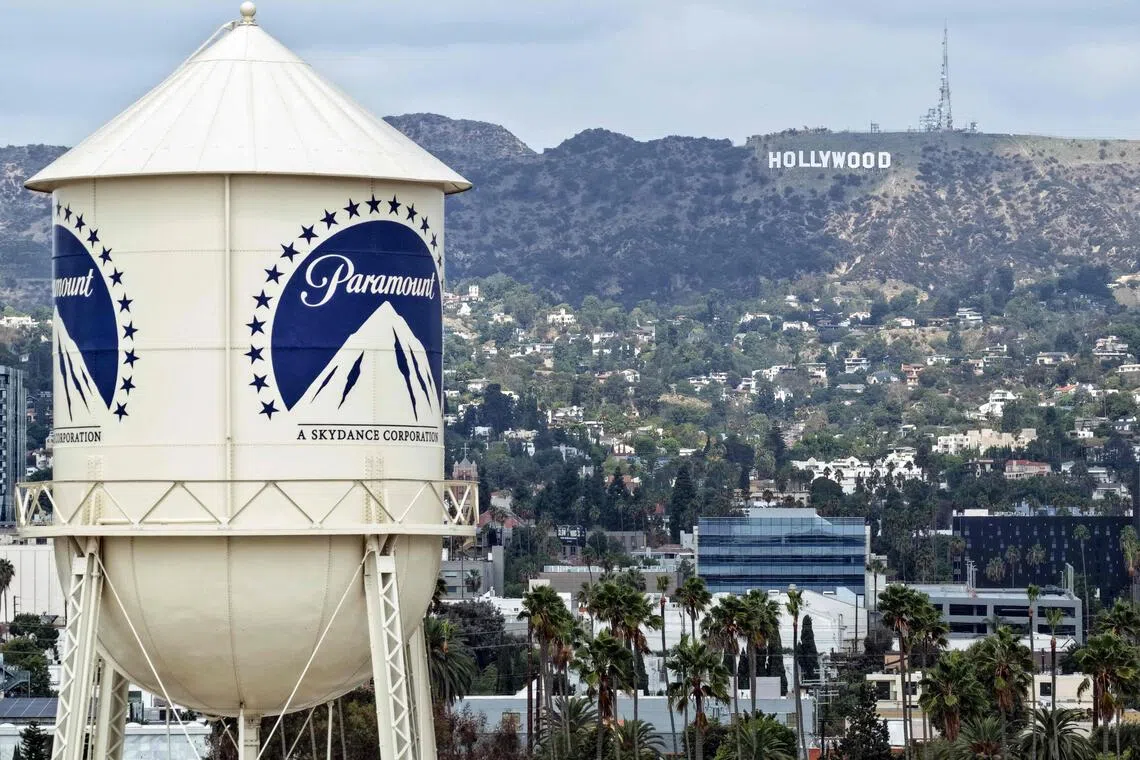
Paramount won Warner Bros takeover after settling US states, union lawsuits.
LOS ANGELES – David Ellison, Paramount’s chief executive, said he was “grateful” for a “path forward” after reaching an agreement to resolve an antitrust lawsuit and move ahead with its US$111 billion (S$142 billion) acquisition of Warner Bros. Discovery.
Rob Bonta, California’s attorney-general, praised the terms of the settlement but cautioned that it was “not a blessing” of Paramount’s merger.
Governor Gavin Newsom called the agreement “a win for California workers and our creative economy.”
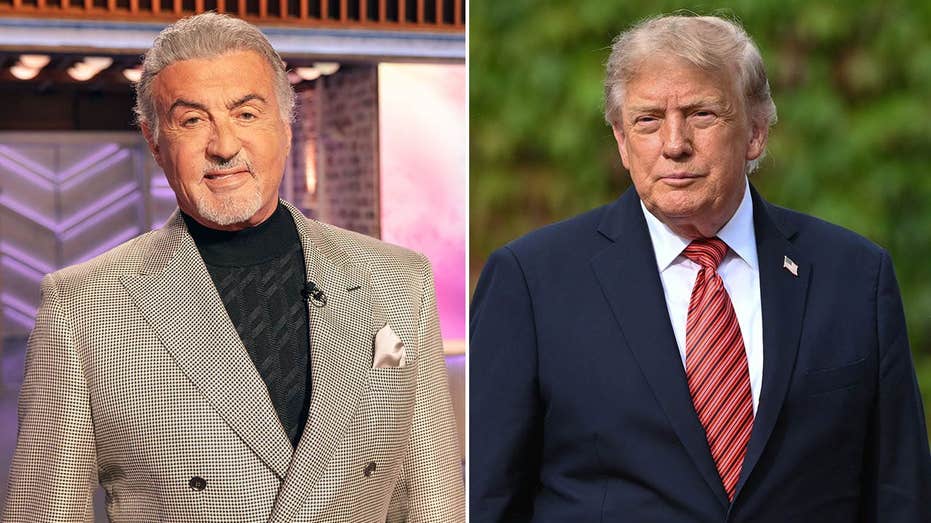
But some critics of the deal in Hollywood are just ticked off: “Gavin Newsom hands huge win to Trump and his billionaire cronies,” actor Mark Ruffalo wrote on social media, referring to the Ellison family’s ties to the president.
US President Donald Trump had yet to weigh in by the afternoon of Sept 21. But the cross-section of union leaders, politicians and media watchdogs who did underscores the breadth of opinions about the deal and reveals the industry’s underlying anxiety about its health.
Los Angeles has been battered by the loss of film and TV production to countries offering large tax incentives and cheaper labour, leading to a sharp decrease in filming and the elimination of tens of thousands of jobs. Many opponents of a Paramount-Warner Bros. deal worry that consolidation would lead to even more job losses and fewer projects.
“My concern has always been that a merger could lead to the loss of thousands of jobs for hard-working Angelenos,” Los Angeles Mayor Karen Bass said. “For months, the uncertainty of no decision created instability that led to job losses and left workers wondering what it would mean for their futures.”
As part of the agreement unveiled on Sept 21, which needs to be approved by a court, Paramount agreed to a number of concessions.
The company committed to distributing 30 movies in theatres every year, pledged to spend an additional US$1.5 billion on film production over the next five years and guaranteed to increase the proportion of those movies that are made in the United States.
“I do not want to see two of Hollywood’s largest studios consolidated under one company, but now we must focus on holding the companies accountable to these commitments,” Bass added.
After the outlines of the deal became public, the International Alliance of Theatrical Stage Employees, the union that represents more than 170,000 technicians, artisans and craftsmen in the entertainment industry, welcomed the agreement and the commitments written into it. The Directors Guild of America also struck an upbeat tone, offering congratulations to both sides.
But some union leaders seemed to seek to toe the line. The leaders of SAG-AFTRA, which represents approximately 160,000 actors, acknowledged that the settlement “addresses some of our deep concerns about production levels and investment in US production” while also wagging a finger at Paramount.
“We hope that the process of engaging with the attorneys-general has impressed upon them the fact that in addition to collective bargaining, our members rely on the law to help protect our interests,” the union’s statement said. “These are the lowest standards that our employers must meet.”
Others were more downbeat and direct.
In one striking example, Connecticut’s attorney-general, William Tong, a Democrat leading one of the states that joined the antitrust lawsuit, said in a statement that he had sought in particular to “protect the editorial independence of CNN and CBS News”.
Paramount agreed, as part of the settlement, to establish a board of journalists to ensure the editorial independence of the two news organisations. But Tong said that “Connecticut wanted and demanded full divestiture of CNN and CBS News.”
“I am deeply disappointed that we could not do more,” he added.
Seth Stern, the chief of advocacy for the Freedom of the Press Foundation, went further, saying in a statement that “a Paramount-appointed editorial independence board for CNN and CBS is worthless”.
And the advocacy organisation Free Press, which opposes media consolidation, called out Bonta, who it said “went back on his promise to enforce the law and protect consumers and workers”.
“It’s a sad day for all of us who have been opposing this merger because it will cut jobs and raise prices, all as it consolidates the media even more to enable authoritarians,” Jessica J. Gonzalez, co-CEO of the nonprofit, said in its statement. “Based on all reports, this weak deal contains nothing but unenforceable, empty Paramount promises.” NYTIMES
This article originally appeared in The New York Times.