Bengaluru racket raises fresh alarm over risks of expired medicines
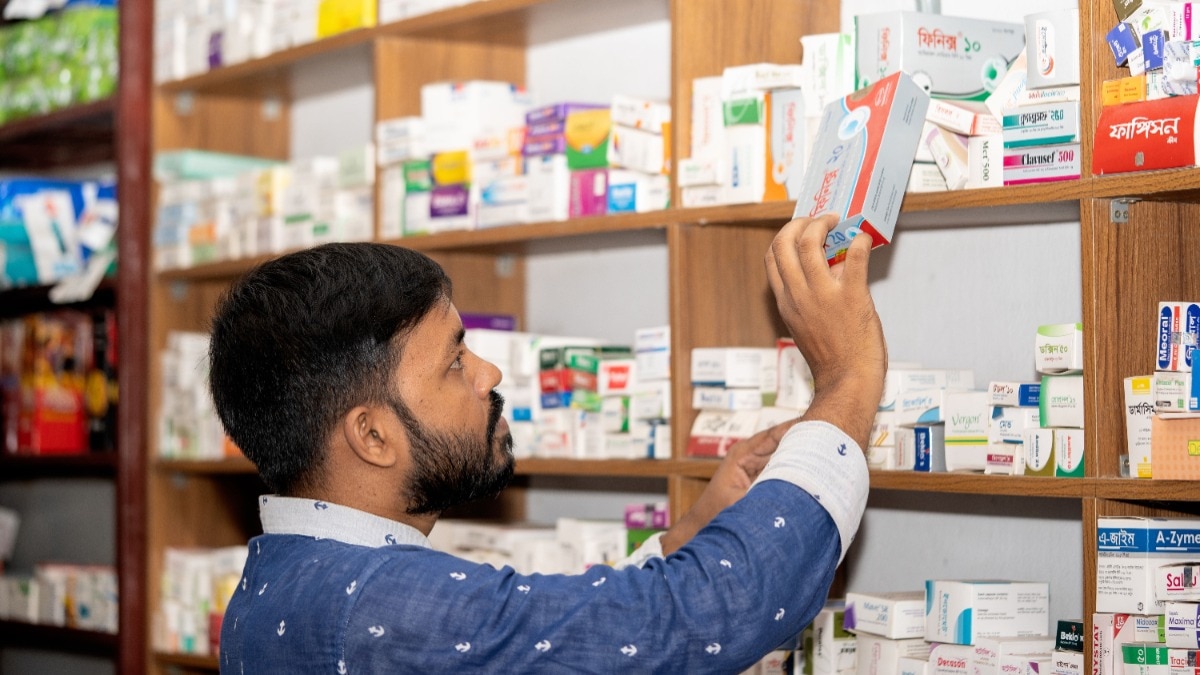
The expiry date on a medicine strip is often treated as a minor detail, especially when a tablet looks unchanged or a bottle appears perfectly normal. But a spate of rackets involving allegedly repackaged and expired medicines being sold back into the market has put a sharper focus on a question many consumers may not have considered: what actually happens when you consume an expired medicine?
The latest such racket to come to light was busted in Bengaluru, adding to a series of cases in different parts of the country involving the alleged collection, repackaging and recirculation of medicines that should have been taken out of the supply chain.
The concern is not that every expired tablet instantly turns poisonous. In fact, doctors say a single accidental dose of an expired medicine may not necessarily cause immediate harm. The bigger problem is uncertainty. Once a medicine has crossed its labelled expiry date, its manufacturer can no longer assure its safety, quality or effectiveness.
“Taking an expired medicine does not automatically mean poisoning,” said Dr Sfurti Maan, an internal medicine specialist at Shalby International Hospital, Gurugram. “In many cases, the main concern is reduced potency or efficiency of the medicine but some medicines can deteriorate or become unsafe over time.”
That distinction becomes particularly important when expired medicines are not simply forgotten in a household medicine cabinet but allegedly find their way back into the market after being repackaged. Consumers may have no reason to suspect that the medicine they are buying has already crossed its usable life.POTENCY MAY FALL
Medicines are given an expiry date because manufacturers can guarantee that the product will meet prescribed standards of strength, quality and stability only until that point, provided it has been stored under recommended conditions.
After expiry, a medicine may gradually lose potency. That means it may contain less active drugs than expected or may not perform in the way it was meant to.
This can have consequences beyond simply failing to relieve a headache or cough.
Dr Pradeep Narayan Sahoo, internal medicine specialist at Manipal Hospital, Bhubaneswar, said the loss of potency could be especially concerning in illnesses where regular and effective treatment is important.
A medicine that does not work adequately can delay recovery or leave an underlying disease insufficiently controlled. In some situations, the absence of timely treatment can be more dangerous than any direct side effect caused by the expired product.
Dr Jatin Ahuja, an infectious diseases specialist at Indraprastha Apollo Hospital, Delhi, said, “The more important concern is that, after expiry, its safety, quality and therapeutic effectiveness can no longer be assured.”
The risk is also not the same for every medicine. How long the medicine has been expired, the formulation, the quantity consumed and the conditions in which it was stored can all affect what happens to it.STORAGE CAN CHANGE RISK
A medicine's printed expiry date does not tell the entire story. Heat, humidity, sunlight and damaged or poor packaging can affect the stability of medicines and may speed up their deterioration.
This is particularly relevant in India, where medicines may be exposed to high temperatures or humidity during storage and transport if proper conditions are not maintained.
Some formulations are more vulnerable than others.
Liquid medicines and syrups can deteriorate differently from tablets and capsules. Eye drops can also be more susceptible to contamination, particularly after they have been opened. Insulin and certain other medicines that require controlled storage conditions need additional caution.
Dr Sahoo said chemical changes can occur over time, particularly when medicines are improperly stored or exposed to heat, moisture or sunlight. He added that consumers should not assume a medicine is safe merely because it still looks or smells normal.
Visual appearance is therefore not a reliable safety check. A tablet may look intact while having lost potency, and a liquid medicine may appear normal even when its quality can no longer be assured.
Dr Sunita Kapoor, CEO and chief of pathology at City Imaging & Clinical Labs, said the consequences could vary widely depending on the drug, formulation and dose. Some people may experience nausea, vomiting, abdominal discomfort, dizziness, headache or drowsiness, while others may have no immediate symptoms at all.
This uncertainty is one reason doctors advise against deliberately using medicines after their expiry date, particularly prescription drugs or medicines needed to manage serious health conditions.
Medicines such as insulin, certain cardiac drugs, antibiotics and other treatments where maintaining the right potency is critical should not be relied upon beyond their labelled expiry date.WHAT SHOULD YOU DO?
If someone accidentally takes a single expired dose, panic is usually not the right response. Equally important, however, is not to try to compensate by taking another dose.
Dr Maan advised seeking medical help promptly if a significant quantity has been consumed or symptoms develop, rather than taking an additional dose.
Dr Ahuja recommends noting key details: the name of the medicine, its strength, the expiry date and the quantity consumed. This information can help a doctor or pharmacist assess the situation more accurately.
Medical advice becomes particularly important if the expired medicine was taken for a serious condition, if a large amount was consumed, or if unusual symptoms appear.
The recent crackdown on alleged medicine repackaging operations also underlines why checking the expiry date should not be a casual last-minute glance at the chemist. Consumers should examine medicine strips and packaging before use and be alert to damaged, altered or suspicious-looking labels.
Expired medicines should not remain in circulation simply because they appear unchanged. And for consumers, the safest assumption is straightforward: once a medicine has crossed its expiry date, its quality can no longer be guaranteed.
In the case of an accidental dose, the response should be measured rather than fearful. Do not panic, do not double the dose, and do not continue using the expired medicine without advice.
But the larger lesson from the recent repackaging rackets is even more worrying: the expiry date only protects a consumer if they are actually getting the medicine they believe they are buying, experts underline.- EndsPublished By: Sumi DuttaPublished On: Sep 14, 2026 13:59 IST