Bille gas fears deepen as death of woman triggers relocation call
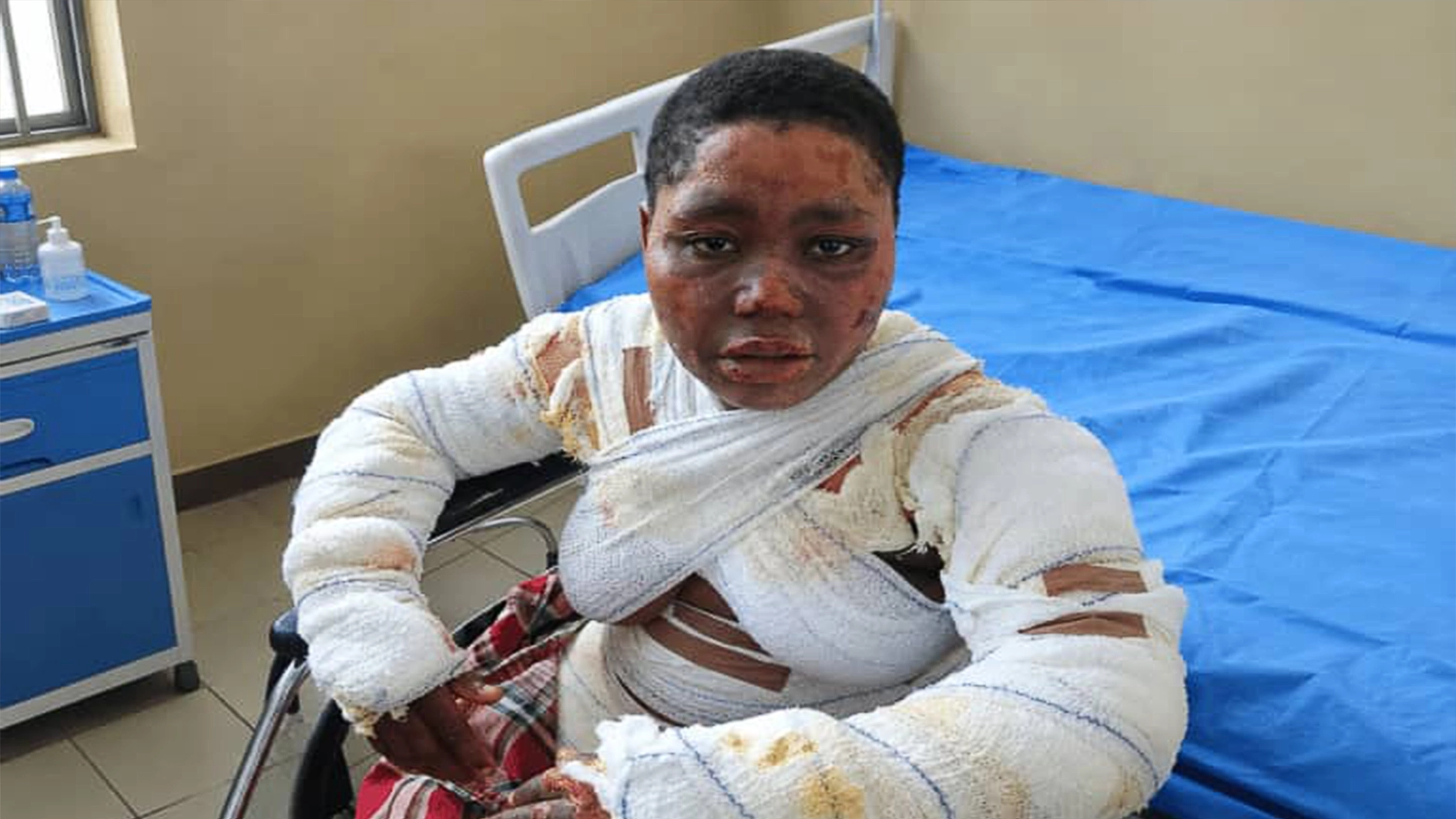
The death of Joy Amos, who suffered severe burns in a reported gas explosion in Bille Kingdom, Degema Local Council of Rivers State, yesterday heightened fears over alleged gas emissions in the community, with rights groups calling for the temporary relocation of residents from areas found to be unsafe. Amos, a native of Kpor and an Ogoni, died on September 21, weeks after she was injured in an explosion inside her room on September 3. Corporate Accountability and Public Participation Africa (CAPPA) and Social Action Nigeria, in separate statements and at a press briefing with community representatives, said her death underscored the urgent need to investigate the reported environmental hazards and protect residents from further exposure. According to CAPPA, the explosion occurred at about 8:00 a.m. in Amos’s room at No. 18, Opu Ibiila Co mmunity, shattering windows and setting part of the building ablaze. She was initially treated at a private clinic in Bille for about nine days before being transferred to Port Harcourt on September 12 after a person identified by community members as Dr Ndubisi Akpu, who reportedly claimed to be calling from the Ministry of Health, said the government would take over her treatment. Social Action Nigeria’s Senior Programme Officer, Prince Edegbuo, said Amos’s death required an independent investigation, including determining the cause of the explosion and examining the medical circumstances surrounding her death. CAPPA also called for an independent investigation and autopsy, particularly because of the reported environmental conditions at the scene. The organisations said residents had continued to report gas seepage or bubbling from wells, boreholes, waterways, residential compounds and other locations across Bille. CAPPA said a field visit to the community on July 6 revealed what appeared to be gas emissions from wells, boreholes, residential compounds, waterways and school grounds. It also claimed that government investigations had detected elevated levels of methane, hydrogen sulphide and carbon dioxide, alongside groundwater contamination and poor air quality. CAPPA said residents had yet to receive a comprehensive public explanation of the source of the emissions or a clear emergency response plan.
Social Action Nigeria expressed concern over reported illnesses, including respiratory problems and skin conditions, and cited the reported collapse of Mrs Deborah Orlando, a teacher at State School One, Bille, allegedly after being overwhelmed by gas odour after opening a classroom window. CAPPA also reported that Mrs Tamunosiepribo Igani became dizzy and collapsed while walking to the waterside on September 12, sustaining a serious leg injury. It further cited two household fires in August and September. The organisation raised concern over reports that some residents had begun collecting the emerging gas for generators, while others were allegedly digging around their homes in search of gas outlets for domestic energy. It warned that such activities could expose residents to explosions, poisoning and other hazards. Edegbuo called on the Rivers State Government and Degema Local Council to deploy medical teams to Bille to screen residents and provide treatment. He also urged the provision of emergency medical facilities, medicines, oxygen, referrals and safe drinking water.
Social Action Nigeria called for temporary relocation of residents in areas scientifically established to be unsafe, pending investigation and containment of the emissions. CAPPA similarly demanded evacuation of households, schools and public facilities found to be unsafe, alongside free medical screening for residents.
Its Assistant Executive Director, Zikora Ibeh, said Amos’s death should prompt authorities to adopt a coordinated emergency response. “Joy Amos did not have to die. Her death followed months of warnings, confirmed environmental hazards and repeated appeals for government intervention. Yet Bille still has no comprehensive emergency plan, no publicly identified coordinating authority and no clear timetable for containing the emissions,” she said. CAPPA called for continuous air, water and soil testing, hazard mapping, public disclosure of investigation results and the involvement of relevant federal and state agencies. It also demanded compensation for affected families and accountability where investigations establish responsibility. Reiterating an earlier warning in its report, Danger! Bille Is Highly Flammable, Ibeh said failure to address the reported emissions could have serious consequences. “We would love to be proved wrong, but the reality is that human beings are living amid uncontrolled and deadly gas emissions,” she said. For residents and the rights groups, Amos’s death has intensified the demand for answers as reports of gas emissions, illnesses and fire incidents continue to emerge from Bille.