Cinnamon Recall Sparks Warning in 6 States Amid Lead Contamination Concerns - Newsweek
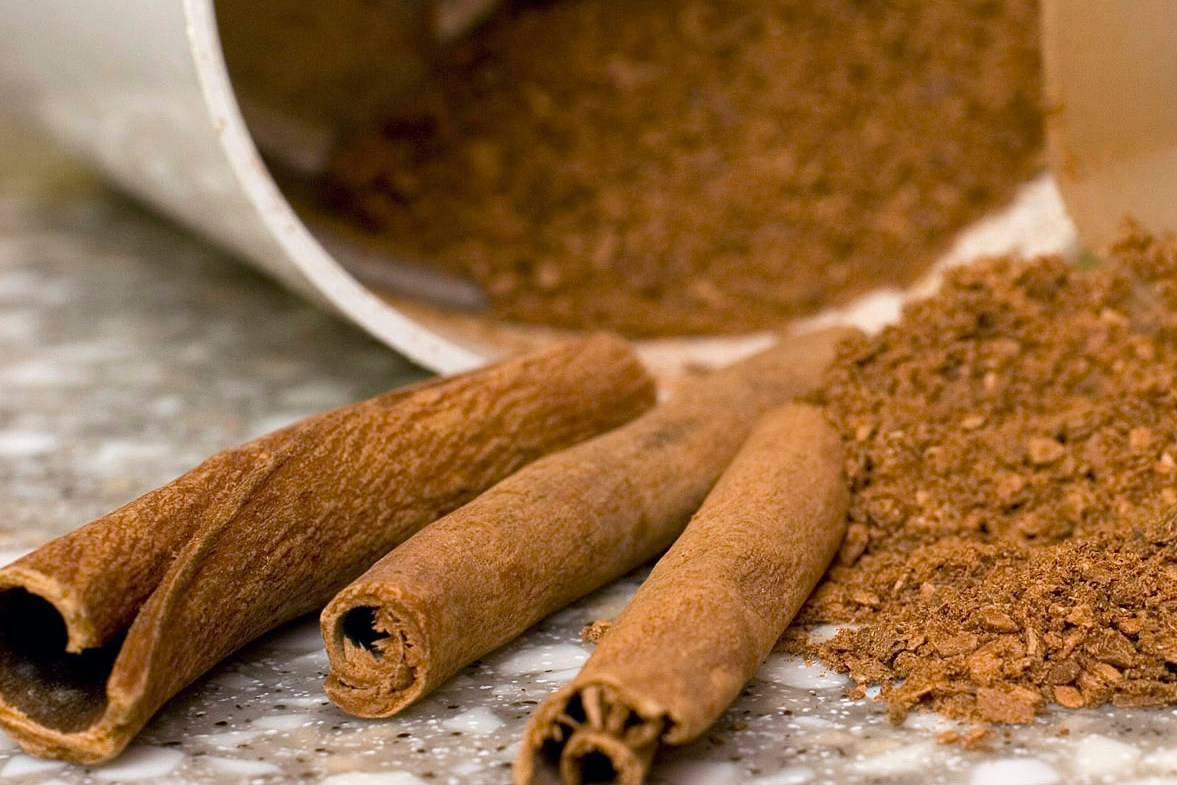
Galil Importing Corp is recalling Lior brand Cinnamon Ground Seasoning due to fears the product may be contaminated with elevated levels of lead, the U.S. Food and Drug Administration (FDA) said in an alert on Thursday.
The recalled seasoning has a UPC number of 794711005484 and was distributed to delis, grocery stores, retail locations and supermarkets from November 18, 2025, though September 7.
The states impacted by the recall are New Jersey, New York, Pennsylvania, Florida, Texas and Illinois, the FDA alert says.
Numerous recalls have been issued this year across the country due to the potential for damage, foodborne illness, contamination, lack of inspection or undeclared food allergens. Recently, federal officials also announced a recent recall from Star Meat Delivery Inc. impacting about 167,639 pounds of raw beef, pork and goat because the products were produced without federal inspection.
Newsweek reached out to Galil Importing Corp via phone after hours on Friday evening and left a voice message.
According to the alert, the recalled cinnamon is packaged in 90-gram transparent plastic containers and have a lot code number of GAP11304. No illnesses have been reported due to the recall.
"The recall was the result of a sample collected and analyzed by Maryland Department of Health (MDH) that revealed the product contained elevated levels of lead. Galil Importing Corp immediately initiated a voluntary recall and is notifying customers to stop distribution and sale of the affected product and place remaining inventory on hold," the alert says in part.
People who have purchased the recalled product should not consume it and throw it away or return it to the original place of purchase for a full refund, the FDA alert says.
The latest recall impacting cinnamon comes amid heightened fears and attention to foodborne illnesses and recalls, including national cases of salmonella and cyclospora.
Keith Schneider, professor of food safety at the UF Institute of Food and Agricultural Sciences, said in a release sent to Newsweek earlier this month when asked what consumers should do when they hear about a food recall or outbreak, "Go to trusted public health sources rather than relying on social media."
"The Centers for Disease Control and Prevention and the U.S. Food and Drug Administration maintain information about current foodborne illness investigations and recalls. Consumers should review the recall details and determine whether the product they purchased is included. If it is, follow the instructions provided by public health officials. There is no reason to automatically stop eating an entire category of food because one product has been recalled," Schneider concluded.
The FDA says that short term exposure to low levels of lead may only be detectible through blood tests and not show any symptoms.
Additional signs and symptoms of lead exposure are more likely with long exposure or acute exposure with higher levels, the FDA says. If a child is exposed to enough lead for weeks to months, "permanent damage to the central nervous system may occur," the alert says.
The damage could include developmental defects, long term health problems or learning disorders, the FDA says.
Newsweek’s reporters and editors used Martyn, our AI assistant, to produce this story. Learn more about Martyn here. Contact Newsweek editors on this story: Edward T. Cummins