Clean energy draws data centers to Brazil’s Northeast - Valor International
/https://i.s3.glbimg.com/v1/AUTH_37554604729d4b2f9f3eb9ad8a691345/internal_photos/bs/2026/E/v/DAbqUhS2yK8hmAqJksag/foto16bra-101-transicao-a8.jpg)
Amid the energy transition and growth of the digital economy, Brazil’s predominantly clean energy mix gives the country—particularly the Northeast—a competitive advantage in attracting data-center investment. Government officials and industry representatives attending “The Northeast as the Digital Hub of the Future,” held Tuesday (15) in Fortaleza, said the conditions favor establishing a data-center hub in the region to provide services not only in Brazil but also across Latin America and the Global South.
The event is part of the “Energy Transition” project organized by O Globo and Valor.
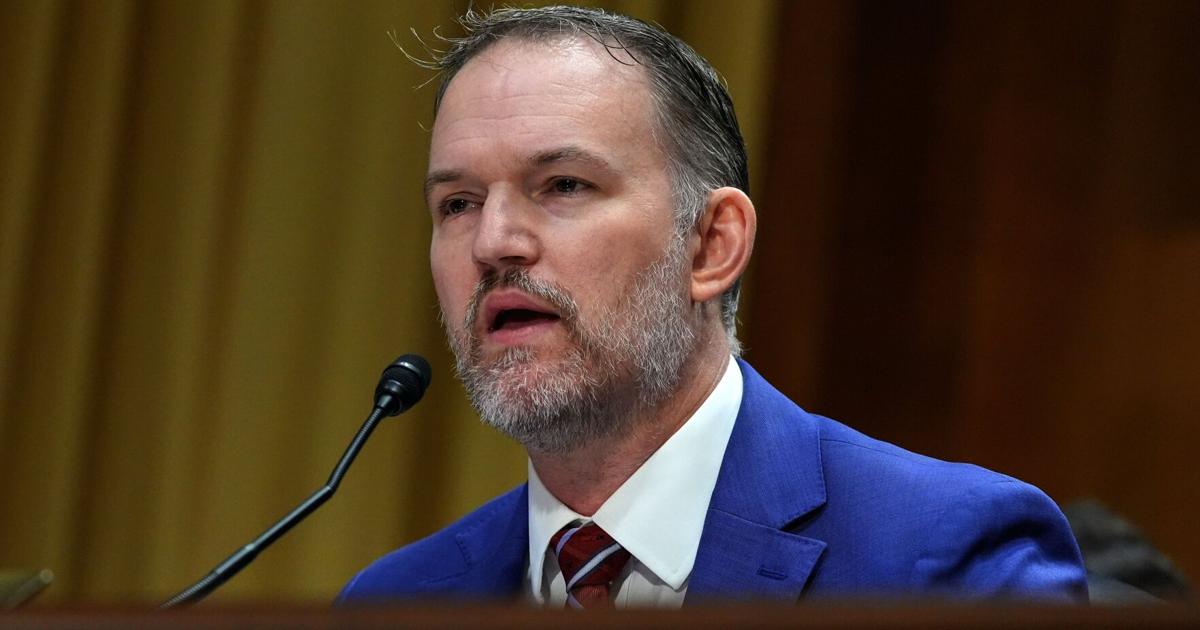
Communications Minister Frederico de Siqueira Filho, who participated in the first panel, “Clean Energy as the Foundation of Digital Infrastructure,” said investors seek energy, connectivity, legal certainty, and international data traffic. He emphasized that tax incentives are also essential for attracting investment.
On Tuesday, President Lula signed Redata into law, a program that reduces taxes for companies seeking to install or expand data centers in Brazil. Taxes imposed on purchases or imports of technology equipment will be reduced to zero. The estimated cost to the federal government is R$7.5 billion over three years.
In return for the benefits, companies will have to meet conditions that include sourcing their power from renewable or low-emission sources. “Equipment-import costs were an entry barrier. We want to expand domestic industry by providing additional incentives so that it can also improve and innovate, allowing us to compete on equal terms,” Siqueira Filho said.
One symbol of the new wave of investment in the Northeast’s digital hub is Omnia Data Centers’ facility in Caucaia, Ceará, built for China’s ByteDance, the owner of TikTok. Wellysson Costa, Omnia’s director of institutional relations, participated in the event’s second panel and said the region offers a favorable combination of conditions for such projects, including abundant energy and coordination among the government, educational institutions, and the private sector.
He also highlighted the connectivity provided by submarine cables and the Export Processing Zone (ZPE), which offers tax incentives and infrastructure.
Camylla Melo, an energy specialist at the Federation of Industries of the State of Ceará (Fiec), said access to clean power is central to making new projects viable in the state. “Energy is currently the highest cost for a data center. Encouraging the use of renewable power therefore supports the broader energy transition. Ceará has abundant wind and solar energy.”
She said the combination of a clean energy mix and telecommunications infrastructure creates ideal conditions for the region to stand out. “We have a perfect combination here when we consider abundant energy and connectivity.”
Maintaining a stable power supply for data centers remains a challenge, however. The minister explained that although renewable energy is the priority, the supply must be integrated with non-intermittent sources such as biomass and hydropower. Batteries are also expected to support energy storage, with the first battery-storage auction scheduled for the end of this year. “The government is concerned about the stability of the country’s energy supply. That is why we will hold a battery auction at the end of the year. The technology already exists,” he said.
Although abundant energy and Redata incentives address electricity-supply and financial issues, data-center operations face a bottleneck in workforce development. Melo noted that a data center creates a large number of jobs during construction and installation, but the operational phase requires a smaller, highly specialized workforce.
“We need highly qualified, highly specialized workers. We therefore have to create opportunities for professionals so that Brazil can develop a strong domestic talent pool and avoid having to import professionals,” she said.
Costa acknowledged the difficulty of finding qualified workers. “Workforce availability is a problem in Brazil today, and the region is no exception. Even so, Omnia has achieved very good results. During the first phase of the Caucaia data center—the civil-construction stage—we hired 72% of the workforce locally in Ceará, which was a surprise even to us.”
He said the company has invested in training local workers through partnerships with the Caucaia city government and the National Service for Industrial Training (Senai). “We want to train more than 1,500 people.”
According to Siqueira Filho, the National Digital Inclusion Plan includes training initiatives for lower-income Brazilians. Discussions are also underway with the Education Ministry and universities to offer vocational courses in data centers and information technology.
The “Energy Transition” project is an initiative of Globo and Valor sponsored by Vale. O Globo reporter Glauce Cavalcanti moderated the discussion.