Climate change threatens Kalash life
Direct Source Verification:
This story is aggregated from The Express Tribune (tribune.com.pk). Full reporting rights and copyright belong to the primary publisher.
Shorter winters, drying springs, timber dependence put agriculture, centuries-old culture under pressure
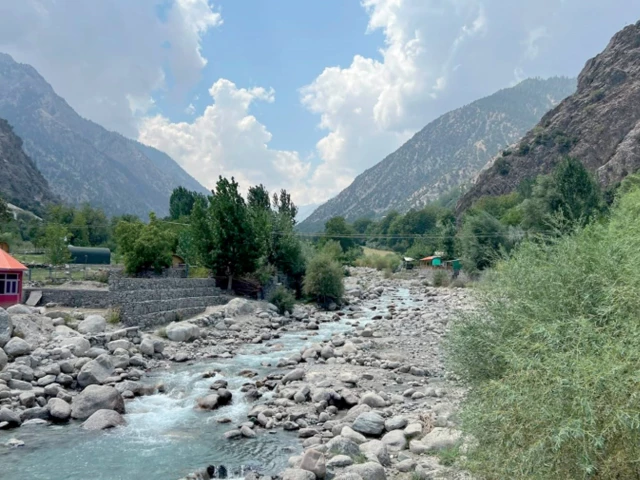
In the picturesque Kalash Valley of Lower Chitral in Khyber-Pakhtunkhwa, a place long celebrated for its unique civilisation, ancient traditions, natural beauty and cultural heritage, climate change, deforestation, erratic rainfall, flash floods, water shortages and declining agricultural yields are confronting local communities with new environmental and economic challenges.
Residents of Bamboret, Rumbur and Birir valleys report marked shifts in weather patterns over recent years. Snowfall has become shorter and lighter in winter, summers hotter, rains more unpredictable and sudden flash floods more frequent. These changes are damaging farmland and crops while also destroying roads, houses, irrigation systems and other basic infrastructure.
Daniel Feroz, a resident and social activist of the Kalash Valley, told The Express Tribune that the effects of climate change have grown more visible over the past decade. Repeated floods, he said, have severely disrupted daily life, agriculture and infrastructure.
"Flash floods damage people's agricultural land and crops, and in several places houses have also been affected," Feroz said. The main road leading into the valley as well as internal link roads are regularly hit, creating difficulties for both residents and tourists.
The impact is not limited to flooding. Natural water sources are under strain, with many springs showing reduced flow.
Agriculture in the Kalash Valley depends heavily on springs and rainfall. According to Feroz, several springs have seen declining water levels and some have dried up completely. Lands that once supported regular crops are now suffering.
Maize and wheat remain the main crops, but water shortages and unreliable rains are cutting yields. Wheat, in particular, relies on timely rainfall; if adequate rain fails at critical stages, production falls, directly affecting household food security and income.
A major environmental stressor is the community's reliance on forests. With no natural gas supply, residents use wood year-round for cooking, heating homes in winter and other household needs. Wood is also central to traditional construction of houses, livestock shelters and other structures.
While permits are sometimes required for timber used in building, the continuous demand for fuelwood keeps pressure on forests high.
Local journalist Sameer said that dependence on wood is a long-standing issue across parts of Chitral. Both construction and domestic fuel needs drive the demand. He noted that some people extract more timber than permitted and that collecting firewood further strains forests. Providing alternative energy sources that take local needs into account is essential for forest conservation, he said.
Livestock rearing adds another layer of pressure. Large numbers of goats are taken into forests and mountain pastures, where they browse young shoots and saplings, hindering natural regeneration.
"On one hand mature trees continue to be cut; on the other, new plants struggle to grow," Feroz said. Over time this can reduce both the area and density of forests.
Yet goats remain deeply embedded in Kalash society and culture. They feature in social and religious rituals, particularly funeral and mourning ceremonies in which large numbers are sacrificed.
Feroz observed that winter snowfall has also altered. In the past, regular snow fell in December, January and other cold months. In recent years the timing, quantity and consistency of snowfall have changed. Reduced winter snow coincides with hotter summers and more unpredictable rains, further disrupting local life.
In mountain regions forests play a critical role in preventing soil erosion, maintaining natural water systems and stabilising slopes. Their decline, combined with intense rains and weakened hillsides, can increase landslides, debris flows into streams and the destructive power of flash floods.
Residents report that monsoon streams now frequently carry large boulders and debris, damaging roads and disrupting irrigation channels. The Forest Department maintains a presence, Feroz said, but the number of field staff and forest guards is small relative to the vast forested areas. Effective monitoring, transparent permit systems and alternative fuel supplies at the local level could ease pressure on the forests.
Social activist Log Rahmat stressed that Kalash culture cannot be separated from its natural surroundings. Traditions, religious rituals, farming, livestock rearing, water sources and forests are deeply interwoven.
Original Source
https://tribune.com.pk/story/2633031/climate-change-threatens-kalash-life