Commentary: India and Pakistan’s water treaty was active for more than six decades – can it survive current tensions? - CNA
The Court of Arbitration says that the Indus Waters Treaty is still in force, but the big question is whether India will comply with the latest ruling, says Amit Ranjan from the NUS Institute of South Asian Studies.
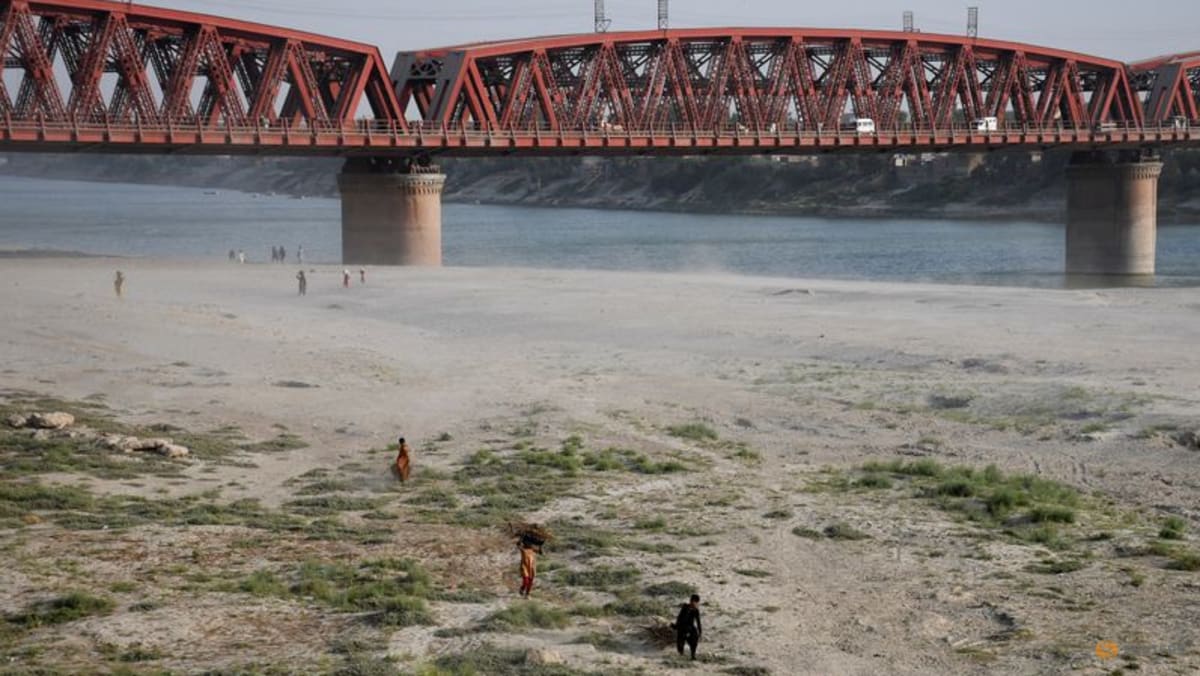
People walk on the dry riverbed of the Indus River in Hyderabad, Pakistan, April 24, 2025. (Reuters/Yasir Rajput/File Photo) New: You can now listen to articles. This audio is generated by an AI tool.
Amit Ranjan 15 Sep 2026 06:00AM Bookmark Bookmark Share WhatsApp Telegram Facebook Twitter Email LinkedIn Set CNA as your preferred source on Google Add CNA as a trusted source to help Google better understand and surface our content in search results. Read a summary of this article on FAST. Get bite-sized news via a newcards interface. Give it a try. Click here to return to FAST Tap here to return to FAST FAST SINGAPORE: Despite wars and tensions, the Indus Waters Treaty, which governs water-sharing among six rivers between India and Pakistan, was active for more than six decades.
But India has held the treaty in “abeyance” since April 2025, when 26 tourists were killed in the terror attack in Pahalgam in Jammu and Kashmir. The Court of Arbitration in its Aug 31 ruling, said that this decision was “not permissible under the Treaty or other applicable rules of international law”.
The Court of Arbitration was set up in 2022, despite India’s objections, to hear the differences and disputes over the Kishanganga and Ratle Hydroelectric Plants under the treaty. In the same ruling, the court also issued an order to stop work on part of a dam wall in the 850-megawatt Ratle project on the Chenab River, which flows from India into Pakistan. The restrictions will remain in place for 90 days after a neutral expert makes a final decision whether the design of the Ratle plant is in line with the treaty. The decision is expected by July 2027.
As the court ruled that the Indus Waters Treaty remains fully in force and that India remains bound by and must observe its obligations under the treaty, a big question is whether India will comply.