
Correctional services projects R749m overrun as overcrowding drives food costs - IOL
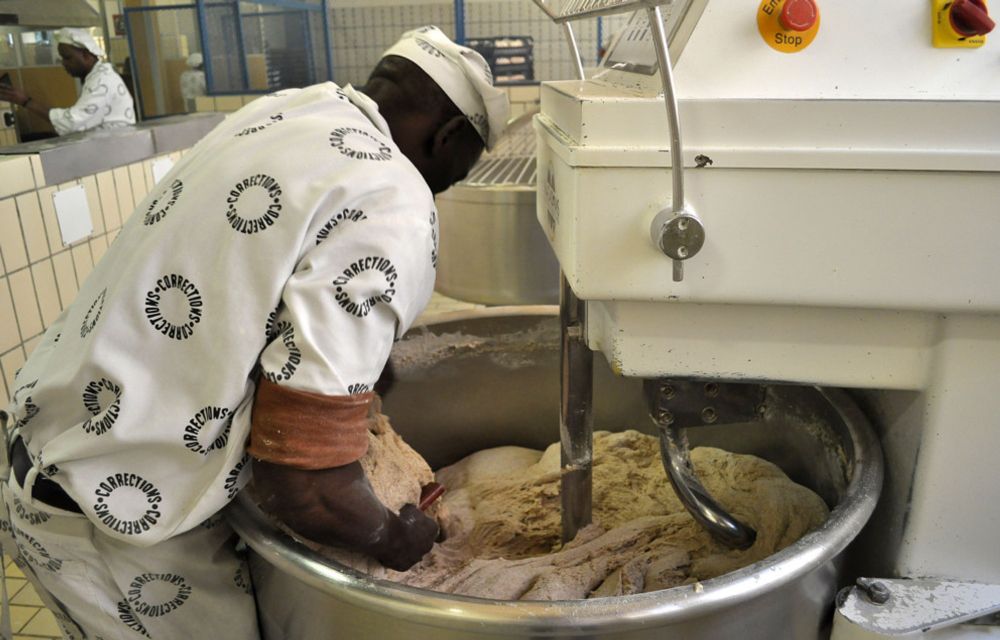
Experts say every additional inmate creates a recurring daily cost, particularly food.
The Department of Correctional Services says rising food costs linked to overcrowding are driving a projected R749 million over-expenditure in 2026/27, while experts warn the pressure reflects wider failures across the criminal-justice system.
The DCS is under mounting pressure following the over-expenditure reported for the 2026/27 financial year.
This was revealed during a parliamentary session last week, where the Portfolio Committee on Correctional Services called for a robust financial recovery plan to address the issue.
The DCS’s first quarter performance report revealed that rising food costs, largely driven by overcrowding in correctional facilities, were the main contributor to the projected overspend.
Kgomotso Anthea Ramolobeng, the committee chairperson, said the more inmates were admitted into correctional facilities, the more the department would need to spend on food.
"We therefore want a proper financial recovery plan outlining how the department intends to mitigate this over-expenditure,” Ramolobeng said during the parliamentary session.
Criminologist Nirmala Gopal said the DCS’s budget overrun could be attributed to various factors, inter alia, the higher costs in procurement that the department did not consider in its projected budget.
“Other factors, after close scrutiny, include whether there has been mismanagement of funds, procurement of items not originally budgeted for, or, as the report indicates, an increase in inmate population.
“This notion takes us back to the discourse on the increasing nature of crime, which is usually associated with poor socio-economic conditions. If the over-spend is a concern for the department, which it should be, then a holistic approach in terms of rehabilitation of inmates and crime prevention strategies should be considered collaboratively,” said Gopal.
She said the department needed to reduce the inmate population and one of the most effective ways was to reduce the opportunities thereof on two levels, namely providing legitimate means through which individuals support their livelihoods, and ensuring an increase in effective policing.
“Further, depending on the categories of inmates, the department should divert petty and juvenile offenders to programs with opportunities for effective and time-sensitive positive outcomes.”
Andy Mashaile, a security strategist for the Institute for Security Studies, said the DCS’s projected over-expenditure should not be viewed simply as a financial-management problem.
He said it was a symptom of a much deeper criminal-justice-system capacity problem involving policing, prosecution, courts, sentencing, bail, remand detention, parole, rehabilitation and reintegration.
“Parliament’s Portfolio Committee has identified food expenditure, driven substantially by overcrowding, as the immediate pressure behind the projected deficit. The DCS itself has previously acknowledged that overcrowding has multiple causes extending beyond the department, including remand detention, sentencing patterns, long-term and life sentences and insufficient available bedspace.
“The over-expenditure is principally being driven by the interaction between rising inmate numbers and insufficient budgetary capacity. Every additional inmate creates a recurring daily cost, particularly food. More inmates require additional expenditure on food, healthcare, security, utilities, clothing, bedding and other basic services.
“A substantial proportion of the prison population consists of people awaiting trial rather than sentenced offenders.
“The strategic concern is therefore that the department is spending more simply to maintain the existing system, while having less fiscal space to transform it.”
Mashaile said a credible turnaround strategy could consist simply of cutting departmental expenditure.
“Cutting food, healthcare, security or rehabilitation would potentially make the underlying crisis worse. The DCS should immediately establish a Correctional Services Financial Recovery War Room, and introduce inmate-cost-per-day monitoring, facility by facility, to identify where expenditure is accelerating beyond population growth.
“The R749 million projected overspend could become a recurring structural problem rather than a once-off variance. More government money would increasingly be consumed by keeping prisoners alive and secure, rather than rehabilitation and reintegration.”
He said if admissions continue exceeding releases, occupancy pressure would increase.
The consequence, he said, would be a deterioration in living conditions, healthcare, sanitation, food provision, security, rehabilitation, and staff-to-inmate ratios.
“If these systemic issues are not addressed, there would be a greater chance of stronger prison gangs and criminal networks. Overcrowded facilities create an environment in which criminal organisations can exercise greater influence.
“This is particularly dangerous because South Africa already faces concerns about organised criminal activity operating from within correctional facilities. DCS Minister Pieter Groenewald had previously identified crime syndicates and gangs inside prisons as a significant challenge.
“When facilities are overwhelmed, rehabilitation becomes secondary to basic population management. That creates a dangerous cycle of overcrowding, weaker rehabilitation, greater criminogenic influence, reoffending, more admissions, and greater overcrowding.”
Mashaile said the ultimate risk was that the DCS could become increasingly focused on containment rather than correction.
“That would undermine its constitutional and statutory purpose of rehabilitation and successful reintegration,” he added.
A year ago, the DCS roped in nutrition experts to ensure that prisoners were fed a well-balanced meal after inmates at Westville Prison in Durban claimed they were fed spoiled or rotten food.
At the time, Singabakho Nxumalo, DCS spokesperson, said the changes were carefully designed to align with dietary guidelines and ensure that the diverse dietary needs of the inmate population were adequately met.
He said the dietary guidelines included a balanced mix of proteins, carbohydrates, fruit, and vegetables to support physical health and contribute to a positive rehabilitation environment.
Nxumalo said that the changes were expected to generate savings of over R200 million per year.
On Monday, Nxumalo told POST that the average daily cost of incarceration was approximately R483 per inmate. This amount covered the overall wellbeing and upkeep of an offender, including meals, accommodation and related services.
He said overcrowding remained a longstanding challenge that required interventions across the entire criminal justice system.
“DCS continues to increase bed space through the construction of new facilities and the renovation and expansion of existing ones. Crime is a contributing factor to overcrowding. An offender can only be released upon completion of the required sentence, or when legally eligible and assessed as suitable for placement on parole. Consequently, admissions cannot simply be matched by releases.”
Nxumalo said the DCS was yet to finalise its annual report, which would provide a comprehensive account of its expenditure and projected spending for the financial year.
The report is scheduled to be tabled by the end of September.
“It is therefore important that patience is exercised until the report is tabled, so that any assessment is based on verified and finalised facts. The final report will also inform whether any corrective measures, recovery plans, operational adjustments or changes to spending patterns may be required.
“DCS has, in engagements with the Portfolio Committee, explained the measures it has implemented to manage rising food costs, including negotiating lower prices on items that had become particularly expensive. The department has an established meal plan that is implemented across all correctional facilities,” Nxumalo added.


