Delhi traffic challan rules changed: You may need to pay 50% before going to court
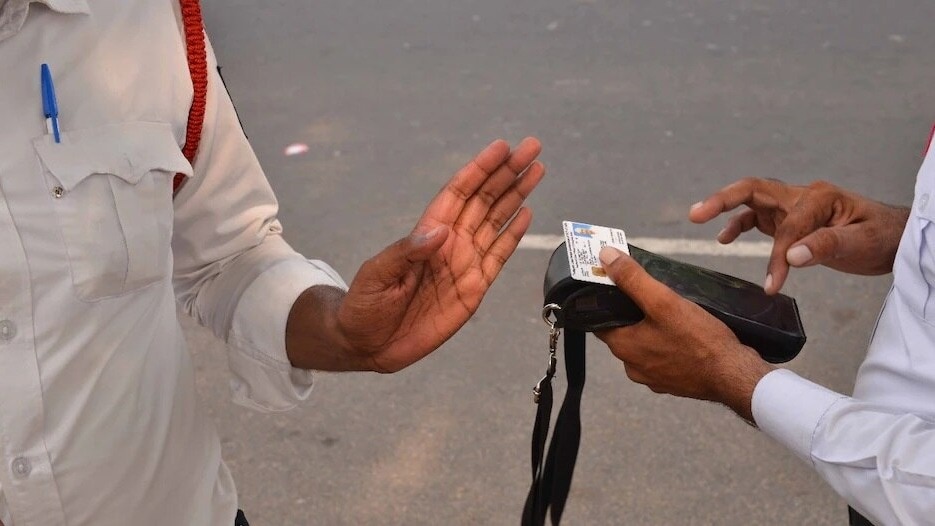
Getting a traffic challan can be frustrating, particularly when a driver believes the violation was recorded incorrectly. But in Delhi, challenging a disputed e-challan now involves an additional step before the matter can reach court.
Under the new process, a vehicle owner who believes an e-challan is wrong must first approach the concerned authority and challenge it there.
If the authority finds that the challan was issued incorrectly, it can be cancelled at that stage.
But if the authority upholds the challan and the vehicle owner still wants to challenge it in court, 50% of the challan amount has to be deposited before the court proceedings can move forward.
So how exactly does the process work?STEP 1: CHALLENGE THE CHALLAN BEFORE THE CONCERNED AUTHORITY
If you believe your e-challan is incorrect, the first step is to submit your complaint or appeal before the designated authority.
The authority will examine the information provided by the vehicle owner along with the records related to the challan.
This can include the evidence used to generate an e-challan, such as camera footage or other digitally recorded information.WHAT HAPPENS IF THE CHALLAN IS FOUND TO BE WRONG?
If the authority determines that the challan was incorrectly issued, it can be cancelled without the matter going to court.
The vehicle owner will be informed about the decision through the relevant portal.
This means that not every disputed challan has to become a court case.WHAT IF THE AUTHORITY SAYS THE CHALLAN IS CORRECT?
If the authority examines the complaint and upholds the challan, the vehicle owner can still choose to approach the court if they disagree with the decision.
However, this is where the 50% payment requirement comes in.
Before the court hears the challenge, the vehicle owner has to deposit half of the total challan amount.HOW MUCH MONEY DO YOU HAVE TO DEPOSIT?
The amount depends on the value of the challan.
The 50% deposit is not the same as accepting that the challan is correct.
It is a condition attached to taking the dispute forward before the court.WHAT IF THE COURT SAYS THE CHALLAN WAS WRONG?
If the court examines the case and finds that the challan was wrongly issued, the challan can be cancelled.
In that situation, the 50% amount deposited before the court is returned to the vehicle owner.
So, using the Rs 2,000 example, a driver would initially deposit Rs 1,000. If the court cancels the challan, that Rs 1,000 would be refunded.WHAT IF THE COURT UPHOLDS THE CHALLAN?
If the court decides that the challan was correctly issued, the vehicle owner has to pay the remaining 50%.
The amount already deposited is adjusted against the total challan amount.
For example, if the challan is Rs 2,000, the driver deposits Rs 1,000 before the hearing. If the court upholds the challan, the remaining Rs 1,000 has to be paid.
The full Rs 2,000 is then treated as paid.WHY IS THIS PROCESS IMPORTANT FOR DRIVERS?
E-challans are increasingly generated through technology, including cameras and other automated systems that record alleged traffic violations.
That means a driver may sometimes want to dispute the evidence or circumstances behind a challan.
The new process creates a route for challenging such a penalty, but it also means that drivers cannot simply skip the initial authority-level review and directly take every disputed challan to court.- EndsPublished By: vaishnavi parasharPublished On: Sep 18, 2026 13:55 IST