
Digital sovereignty begins with digital identity: Why South Africans need to protect their online presence - IOL
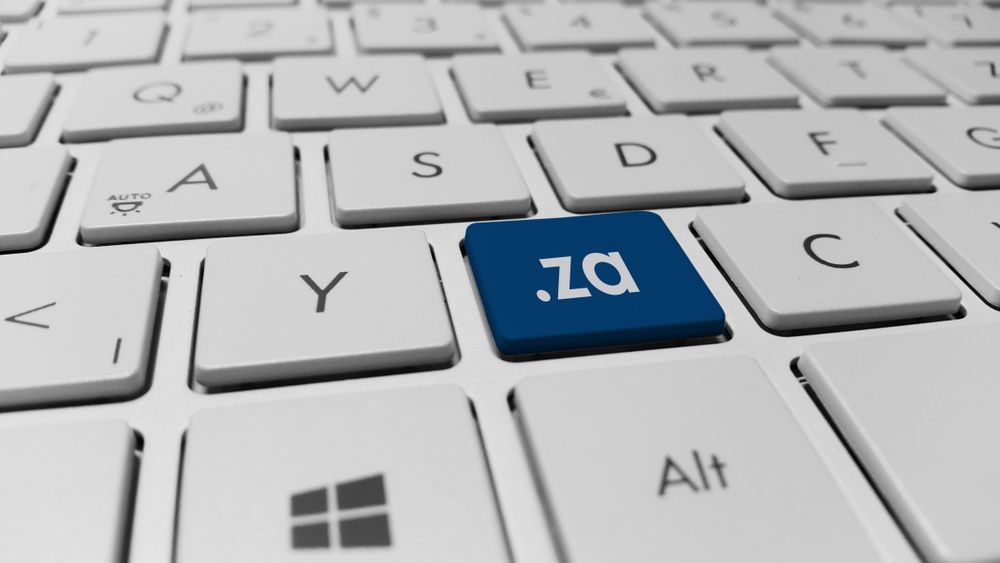
Every day, South Africans create a digital footprint, often without giving much thought to the infrastructure that supports it. We register domain names, open bank accounts, apply for services online, trade, work, study, communicate, and build businesses on platforms and infrastructure that we rarely think about- the infrastructure that makes these interactions possible.
Much of the infrastructure supporting our digital lives is invisible until something goes wrong. A website becomes unavailable, a service is disrupted, or a digital identity is misused, and suddenly the systems we take for granted become visible.
Yet digital identity is still frequently understood in terms of a website address, an email account or an online profile.
In reality, these are increasingly important parts of how people, businesses and institutions establish themselves and participate in the digital economy. Protecting them is therefore becoming part of a much wider conversation about trust, resilience and South Africa’s digital sovereignty.
“Digital sovereignty is not an abstract concept reserved for governments or technology specialists. It affects how safely and confidently people, businesses and institutions participate in the digital world,” says Angel Selebano, PR and Marketing Manager at the .za Domain Name Authority (.zadna).
Digital sovereignty does not mean separating South Africa from the global Internet. It is about having the infrastructure, capabilities and governance arrangements needed to participate in that global ecosystem with confidence.
One of the critical, but largely invisible, layers supporting that participation is the Domain Name System (DNS). It is the system that translates domain names into the technical IP addresses that allow users to reach websites and online services.
For most people, the DNS is something they never need to think about. That is precisely the point. It is part of the underlying infrastructure that allows the Internet to function as an everyday utility.
“When it works, few people notice. But when digital infrastructure is disrupted, its importance becomes much clearer. The effects can extend beyond technology, affecting businesses, public services and confidence in online systems,” Selebano says.
Selebano adds that digital infrastructure is economic and social infrastructure. Its resilience matters because so much of our daily activity depends on being able to connect reliably online. However, there is another growing risk, the abuse of digital identities. This is where domain governance becomes important.
Angel Selebano, PR and Marketing Manager for the .za Domain Name Authority
Fraudsters can create websites that resemble those of banks or other trusted organisations. Messages can be made to appear as though they have come from government departments or familiar businesses. Domain names can be used to create an impression of legitimacy, even when the people behind a website or message have no connection to the organisation they claim to represent.
For the person receiving the message or visiting the website, the technology behind the deception may be invisible. What matters is whether they believe they are dealing with an organisation they can trust.
That is why the conversation about .za should be about more than a domain extension. It is also about identity, infrastructure and governance.
A .za domain does not, by itself, make a website legitimate, nor does it prevent fraud. What a governed national namespace can provide are mechanisms through which certain forms of domain abuse can be identified, reported and addressed.
The Internet Service Providers’ Association (ISPA), ZA Registry Consortium (ZARC) and .za Domain Name Authority (.zadna) have outlined remedies for different forms of domain fraud and abuse.
Internet users are encouraged to read the ISPA Public Advisory: Domain Name Fraud (version 2.0), which provides practical guidance and remedies for dealing with South African-based domain fraud.
The distinction matters, Selebano says. A domain name can establish an identity, but trust is built through what an organisation does with that identity.
“Digital trust is not created by a domain name alone. It is strengthened when there are governance mechanisms, responsible operators and practical remedies when things go wrong,” Selebano adds.
For businesses, protecting digital identity means looking beyond the website itself. It means understanding how an organisation is represented online, securing the systems associated with its digital identity and acting quickly when that identity is misused/compromised.
For individuals, some of the most useful safeguards are also among the simplest. These include checking website addresses carefully, treating unsolicited links with caution, protecting login credentials and reporting suspected fraud through the appropriate channels.
The .za namespace is part of South Africa’s national digital infrastructure.
For an entrepreneur, a domain name can become the digital home of a business. For an established organisation, it can be the front door through which customers, suppliers and other stakeholders engage with it. For users, the domain name can be one of the first signals they encounter when deciding whether an online presence belongs to the organisation it claims to represent https://cipc.zarc.net.za/ .
Collectively, these digital identities also contribute to South Africa’s presence in the global digital economy.
That is why the conversation about .za extends beyond a domain extension. It touches on identity, infrastructure, governance and the ability of South Africans to establish and maintain a trusted presence online.
Digital sovereignty will not be delivered by one institution, one technology or one domain name. It is built through resilient infrastructure, effective governance, responsible organisations and informed users working together ZADNA - ZADNA - Join Now.
The stakes are becoming increasingly tangible. South Africa’s digital future is being built every day through businesses establishing online identities, public services moving online and citizens relying more heavily on digital systems to work, transact and communicate.
“The infrastructure supporting those activities may remain largely invisible. But the identities built on top of it are not. For South Africans establishing or strengthening an online presence, choosing .za is one practical way to create a clear South African digital identity. Protecting that identity, however, is a shared responsibility,” concludes Selebano.

