Donald Trump Hit With 26 Articles Of Impeachment
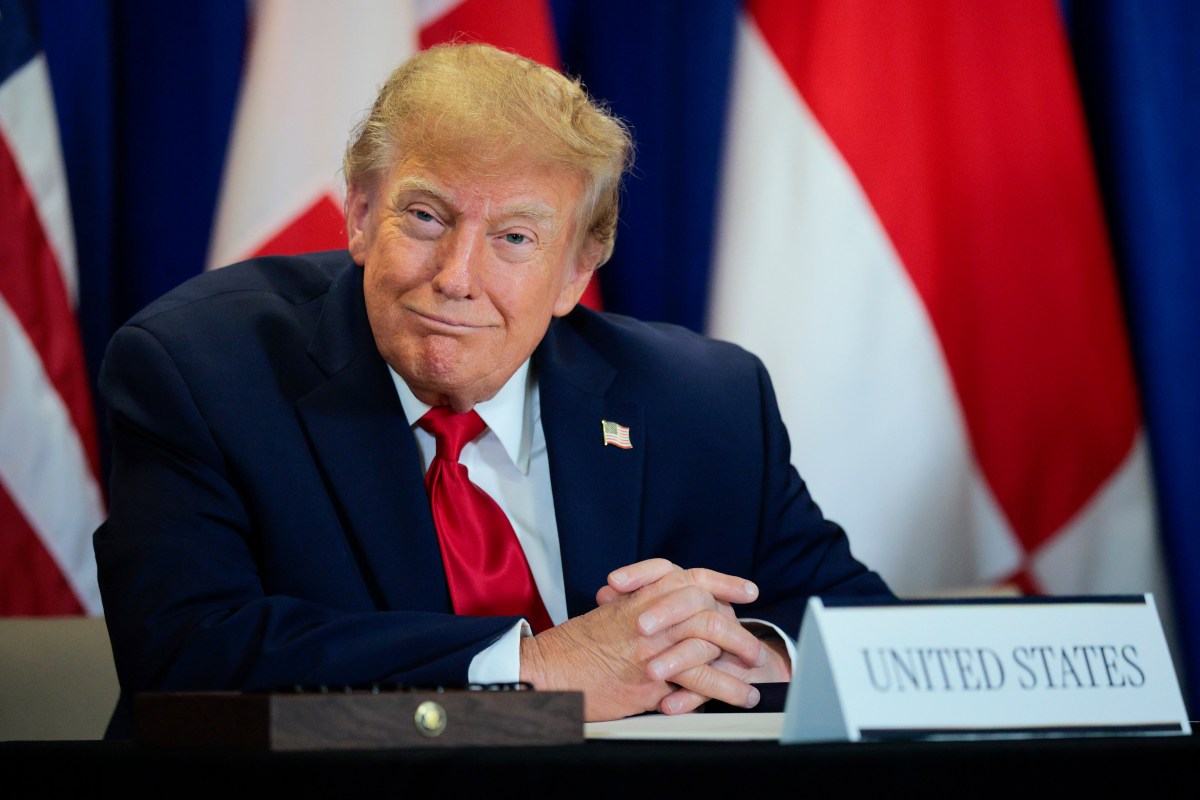
President Donald Trump has been slapped with 26 new articles of impeachment by a House Democrat, accusing him of abuses of power, violations of his oath of office, and a sweeping range of other alleged misconduct.
Representative Steve Cohen, a Tennessee Democrat and senior member of the House Judiciary Committee, introduced the articles on September 24, just nine days after the House rejected a separate impeachment effort brought by Democratic Representative Al Green of Texas.
The latest effort comes as Democrats remain divided over pursuing impeachment against Trump.
Green's resolution was shelved by the House in a 232-147 vote on September 15, with 18 Democrats joining nearly all Republicans in voting to table it and another 47 lawmakers voting present. Those voting present included House Democratic leaders Hakeem Jeffries, Katherine Clark and Pete Aguilar.
Cohen's resolution is considerably wider than Green's. Its 26 articles encompass allegations involving Trump's immigration policies, the use of military power, federal spending, tariffs, presidential pardons, the federal workforce, universities, law firms, the media, and alleged personal financial benefit from the presidency.
The first article accuses Trump of "undermining democracy" by sowing doubt in elections, while the second alleges an abuse of power by waging war on Iran without congressional approval. Another concerns alleged extrajudicial killings in international waters off Venezuela, while a fourth targets the deployment of military forces against U.S. cities.
Immigration features prominently in the resolution. The articles target Trump's birthright citizenship executive order and the administration's use of the Alien Enemies Act to deport Kilmar Abrego Garcia to El Salvador. They also make allegations concerning conditions at El Salvador's CECOT prison and accuse the administration of defying court orders in immigration enforcement.
Other articles accuse Trump of unlawfully withholding congressionally appropriated funds, imposing loyalty tests on the federal workforce, improperly terminating inspectors general, and abusing presidential pardon powers.
Cohen also targets Trump's dealings with the press, law firms and universities. Two articles accuse the president of attacking press freedom, including by excluding reporters from the White House over coverage and allegedly coercing CBS and ABC to alter editorial content.
The press-freedom allegations come amid an ongoing legal battle over Trump's banishing of CNN, MS NOW and Politico reporters from the White House, with the three outlets suing to regain access.
Others concern executive actions against law firms and the withholding of federal funds from universities.
The final article alleges that Trump violated the Constitution's emoluments provisions by "profiting personally and directly from the presidency." The claims contained in the resolution are allegations made by Cohen and do not themselves establish that Trump committed impeachable offenses.
“Trump is clearly the most impeachable President our country has ever endured. His continued presence in office is a danger to our democracy," Cohen said in a press release.
"That the sycophantic Republican majority in Congress is derelict in its duty does not mean that I must abandon my responsibilities. I took an independent oath to support and defend the Constitution. That commitment compels me to introduce this resolution today. When historians write about this period, and our constituents ask who stood up to President Trump’s lawlessness, this resolution is the answer."
Cohen has acknowledged that the effort is unlikely to advance. "I know they won't go anywhere, but I'm not going to stop standing up for my constituents and for democracy," he told Nexstar.
The White House has been contacted for comment.
The new resolution arrives amid clear differences among House Democrats over how and when to pursue impeachment.
Green's September effort focused much more narrowly on the Trump administration's immigration crackdown. His resolution accused Trump of abusing presidential powers in connection with immigration operations in which federal officers killed several civilians. The administration defended the officers' actions, saying they had feared for their lives and acted in self-defense.
Democratic leaders did not endorse Green's effort and said impeachment should follow formal investigations and hearings that had not taken place.
Aguilar, the House Democratic Caucus chairman, also said shortly before the Green vote that impeachment was not at the top of House Democrats' agenda.
There is some overlap between the two efforts, particularly over immigration enforcement. Cohen's articles include allegations involving Abrego Garcia, CECOT, and the administration's compliance with court orders in immigration cases. Green's September resolution, by contrast, centered on the immigration crackdown and civilians killed during federal enforcement operations.
Both Cohen and Green have a history of seeking Trump's impeachment dating back to his first term.
Cohen introduced five articles against Trump in November 2017 while serving as the ranking member of the House Judiciary Subcommittee on the Constitution and Civil Justice.
Green also pursued impeachment during Trump's first year in office. He introduced an impeachment resolution in 2017 accusing Trump of conduct that Green argued had fueled bigotry and hatred and brought the presidency into disrepute.
When Green forced a House vote on an impeachment resolution in December 2017, lawmakers voted 364-58 to table it, with Republicans and most Democrats opposing an effort that Democratic leaders at the time argued was premature.
Trump was impeached twice by the House during his first presidency.
The first came on December 18, 2019, when the House approved articles accusing him of abuse of power and obstruction of Congress following an investigation centered on his dealings with Ukraine. The Senate acquitted Trump on both articles in February 2020.
The House impeached Trump for a second time in January 2021 on a charge of incitement of insurrection following the January 6 attack on the U.S. Capitol. He was subsequently acquitted by the Senate.
The latest 26-article resolution does not mean Trump has been impeached again. An individual House member can introduce articles of impeachment, but impeachment occurs only if the House votes to approve at least one article. Cohen's effort also enters a House controlled by Republicans, and the recent Green vote demonstrated that even Democrats are not united behind another impeachment push.