EU offers vague membership offer to Canada - IOL
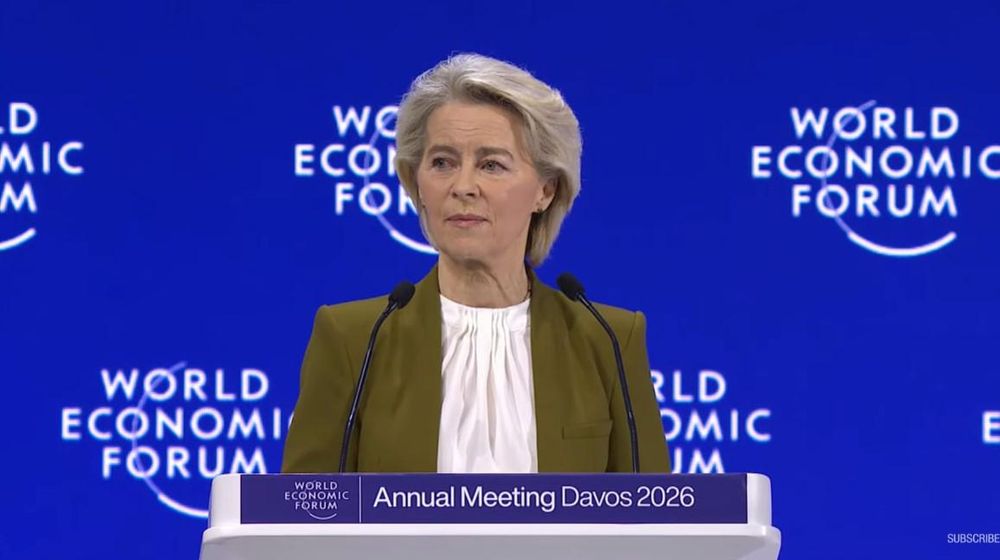
European Commission President Ursual Von der Leyen. Trade between the two sides already runs deep, governed since 2017 by CETA, the Comprehensive Economic and Trade Agreement.
European Commission President Ursula von der Leyen's offer to make Canada an "associate member" of the world's most powerful trading bloc could pull Ottawa deeper into Europe's markets. But Brussels has not yet said what that would actually mean.
Graphic shows considerations around EU's offer to Canada and economic data between the EU and Canada.
That's because the EU has no legal mechanism for associate membership. Any such proposal would need political agreement across all 27 member states before it could move forward.
If it happens, it wouldn't be unprecedented in spirit, though every existing arrangement looks different. Switzerland has partial access to the Single Market through a patchwork of trade deals. Iceland, Norway, and Liechtenstein, as members of the European Economic Area, get full access to the Single Market but have no vote on the rules they must follow.
Ukraine has been offered a similar associate status by Germany, as an interim step toward full membership. The UK, by contrast, walked away from all of it, leaving the EU in 2020.Canada's case is different again: it was never part of the bloc to begin with.
Trade between the two sides already runs deep, governed since 2017 by CETA, the Comprehensive Economic and Trade Agreement. Machinery, chemicals, pharmaceuticals, minerals, and transport equipment top the list of goods traded.
Canada is the EU's 12th-largest trading partner, while the EU is Canada's second-largest, accounting for 8.7% of its total trade.
Together, the two economies represent 490 million people, almost a fifth of global GDP, and roughly 19% of global trade.