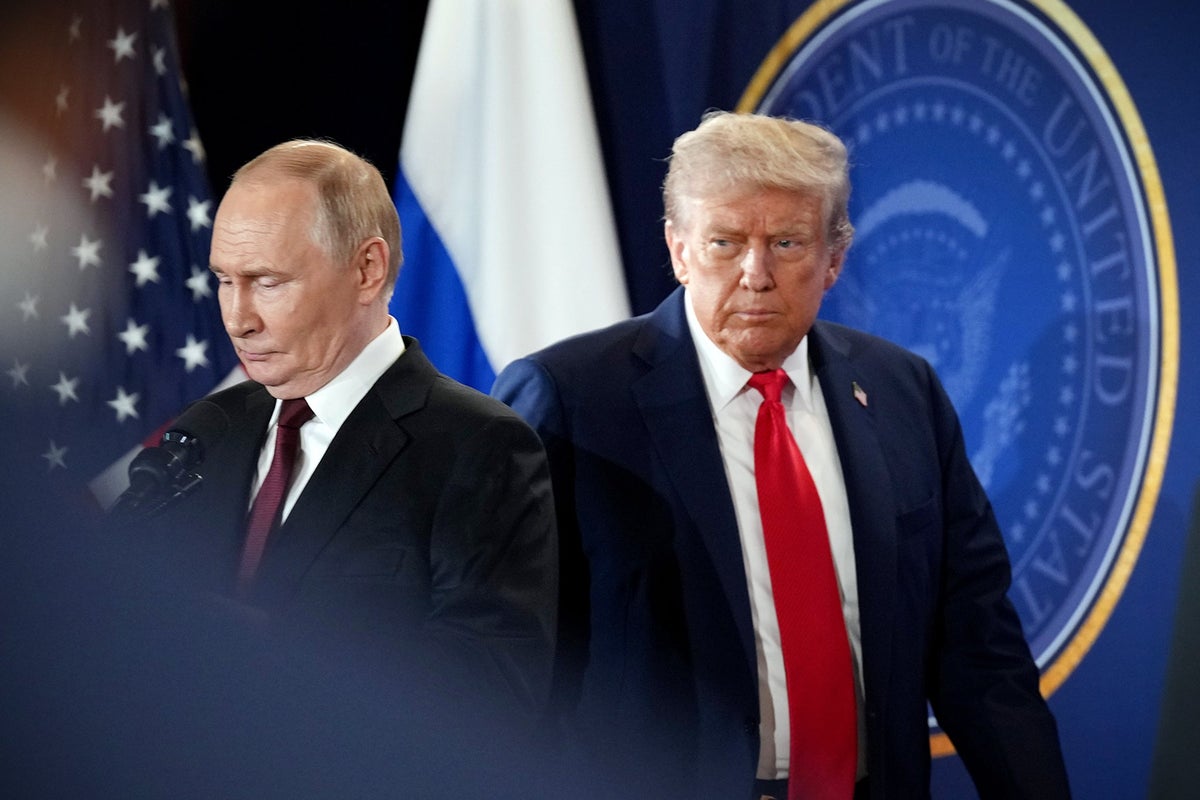
Exclusive: Turkey’s Erdogan Says Russia-Ukraine War Risks Spreading to NATO
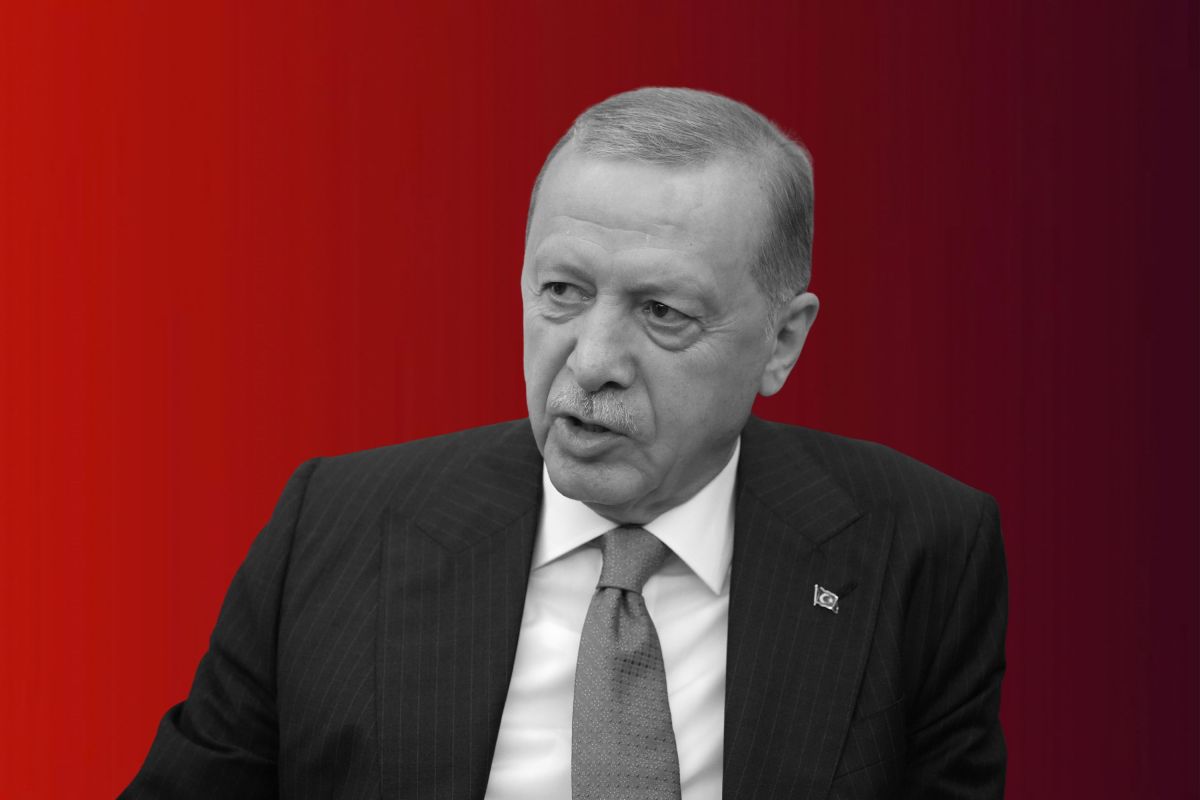
Growing tensions surrounding the Russia-Ukraine war risk bringing the conflict within NATO's borders, Turkish President Recep Tayyip Erdogan has warned.
"We do not disregard the risk of the Russia-Ukraine war spreading to a wider region," Erdogan told Newsweek in an exclusive interview. "Allegations of sabotage and hybrid activities in Europe are also adding to the fragility of the current security environment."
His comments came as fellow NATO leaders and top officials intensified warnings of a suspected effort by Russia to test the alliance's resolve in continuing support for Ukraine.
Erdogan urged caution, however, asserting that it was Ankara's role to seek de-escalation rather than pursue bellicose measures.
"In this process, it is necessary to act with restraint, assess the allegations on the basis of solid evidence, and avoid steps that could further escalate tensions," Erdogan said. "Türkiye’s priority is to prevent the war from turning into a conflict that draws in other countries."
Newsweek Members can read the exclusive interview in full.
Instances of the war's spillover into NATO territory have been reported since early in the conflict that erupted with Russia's February 2022 invasion of Ukraine, largely in the form of missiles and drones falling into neighboring countries.
But reports of incidents have spiked over the past year, particularly since nearly two dozen drones said to be of Russian origin penetrated Polish airspace in September of last year. Since then, dozens of drone sightings have been reported across European nations, often with authorities pointing to suspected involvement of Russia, which has consistently denied responsibility.
In one of the most high-profile incidents, Germany held Russia directly responsible after an explosive drone was discovered near a Ukrainian cargo plane carrying ammunition at Leipzig airport last month. In the weeks since, Poland, Moldova and Lithuania have reported new drone sightings on their respective territories, with NATO jets downing a drone believed to have entered Lithuanian airspace from Russian ally Belarus last week.
And another drone spotting in Germany on Wednesday led to the closure of Berlin's airspace for around 45 minutes.
As European officials increasingly sound alarms of a potential "hybrid warfare" campaign being waged by the Kremlin, other murky episodes have also raised suspicions. They include twin attacks on electrical substations in Germany and an apparent act of sabotage against a railway in the Netherlands, though no link to Russia has been established in these cases.
Still, European Union High Representative for Foreign Affairs Kaja Kallas warned Monday that "Europe faces a fast-proliferation of sabotage attacks and airspace violations," through which "Moscow is trying to scare Europe into winding down its support for Ukraine."
"As Russia is willing to take greater risks, Europe must impose greater costs," Kallas said.
Meanwhile, Russian officials have accused European countries of pursuing their own hybrid campaign against Moscow, including through growing military aid to Ukraine, sanctions against Russian trade and other measures.
Speaking last week, Russian Permanent Representative to the Organization of Security and Co-operation in Europe Dmitry Polyansky asserted that Moscow had repeatedly confirmed that it "has no plans to attack the EU or NATO" despite an ongoing European military build-up" and other measures that "that risk turning the hybrid war against Russia into a traditional war."
With NATO leaders calling for harsher action against Russia, Erdogan has emerged as a leading proponent of mediation.
And Ankara's record shows a clear ability to bring the warring sides to the table. Just five weeks into Russia's invasion of Ukraine, Turkey launched the Istanbul peace talks in April 2022 and, despite the absence of a war-ending deal, went on to oversee elusive agreements between Moscow and Kyiv, such as the July 2022 Black Sea deal to safeguard crucial grain exports from Ukraine and several prisoner swaps.
"Türkiye’s position on the Russia-Ukraine war has remained unchanged for over four years," Erdogan told Newsweek. "The İstanbul talks, the Black Sea Grain Initiative and prisoner exchanges are tangible outcomes of our ability to engage with both sides. Türkiye is a strong NATO Ally."
"At the same time, we are able to maintain direct contact with both President Putin and the Ukrainian leadership. I see no contradiction in this," Erdogan said. "To mediate, you need to be able to talk to both sides of a conflict."
Erdogan's channel to Putin had previously been activated to conduct talks on other conflicts, including those in Syria, Libya and the Caucasus. The war in Ukraine marked a particular test, however, as Turkey's drone shipments provided Kyiv's forces with an early edge against Moscow's invasion.
Still, the two men remain in contact, having most recently met this month at the Kyrgyzstan-hosted summit of the Shanghai Cooperation Organization (SCO), an Eastern bloc into which Turkey entered as a dialogue partner in 2013 and remains engaged. During the meeting, Erdogan said he "made it clear that Türkiye stands ready to do its part to help achieve peace."
And despite early success in Black Sea arrangements, Erdogan stated that the security of this maritime theater remains an issue to which Turkish officials "attach particular importance" as Ankara seeks a new, more comprehensive framework to pacify these shared waters.
Erdogan said his government was prepared to move forward with a new dialogue between Russia and Ukraine—provided that the two countries' leaders signaled willingness to resume talks to put an end to Europe's deadliest conflict since World War II.
"As the war continues, its humanitarian, economic and political costs continue to grow," Erdogan said. "Once the necessary political will is demonstrated, Türkiye stands ready to contribute to bringing the parties back to the negotiating table and paving the way for peace."
Erdogan's quest to position Turkey as a pillar of diplomatic influence goes beyond easing Russia-NATO tensions.
Erdogan noted Turkey's efforts to advance ties not only with the SCO, but also other multilateral blocs such as the Organization of Turkic States, the Organization of Islamic Cooperation, the G-20 and the D-8 Organization for Economic Cooperation.
Ankara is also pressing forward with a number of regional development projects that would increase connectivity with China and the Persian Gulf as Erdogan said that "Türkiye's unique position between East and West naturally calls for a multidimensional and multifaceted foreign policy."
This outlook becomes all the more important given that Turkey is beset not only with a war raging across its Black Sea shores in Ukraine but across its land border with Iran, against which the U.S. and Israel launched a war in February. Turkey is far from immune from the profound disruptions in regional security and global energy trade that have ensued, adding impetus to de-escalate on this front as well.
"The world is going through profound shifts," Erdogan said. "The Russia-Ukraine war continues to our north. Conflicts to our south and east directly affect our region's security, economy, and stability. At times like these, it is the collective responsibility of the international community to expand the space for diplomacy rather than narrow it."
And that's where he said Turkey fits in as a nation capable of resisting pressure to maintain rigid alignments while simultaneously exploring new forms of cooperation in line with what Erdogan views to be a rapidly evolving international order.
"We pursue our national interests, regional stability and global peace in tandem," Erdogan said. "While preserving our long-standing alliances, we forge new partnerships and, when necessary, bring different centers of power together around the same table."
Contact Newsweek editors on this story: Tom O'Connor and Dave Siminoff.