Exclusive / Walmart is hiring dedicated GLP-1 coaches to work in its stores - Semafor
Walmart wants to coach Americans on using GLP-1s.
The third-largest pharmacy operator in the US is adding new “health ambassador” positions as part of a pilot program launching in rural locations this week. In addition to consulting on GLP-1s, trained pharmacists will advise shoppers on things like sleep, exercise, and stress management.
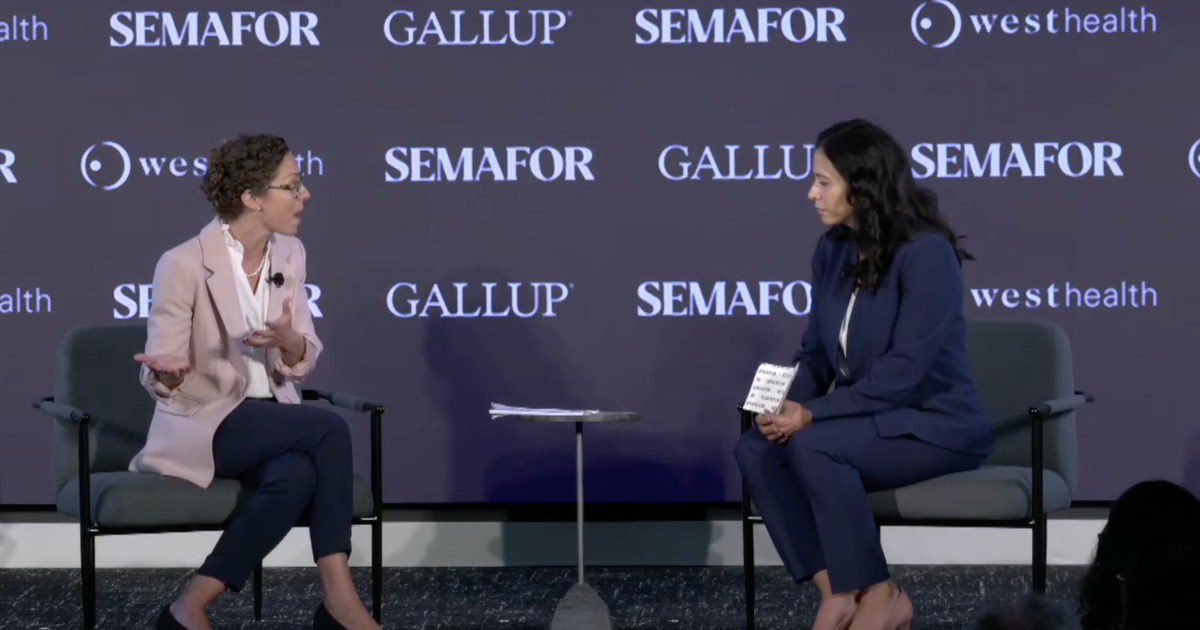
As more Americans use GLP-1s — 11% say they’re on or have used the drugs — the pharmacists’ initial focus will be on weight management, diabetes, and maternal help, which affect millions of American families. “Our pharmacists are already getting lots of questions about health navigation,” Dr. Emily Aaronson, Walmart’s chief medical officer, said at Semafor’s Future of Health Forum on Tuesday. “But they also have a lot of other clinical responsibilities, and so this is really about making [health coaching] the primary focus.”
The program signals both a fresh push into rural healthcare and a direct response to the GLP-1 craze, which is rapidly rewiring consumer behavior and transforming how companies relate to customers now filling their carts with entirely different foods, drinks, and personal-care products.
Walmart has been trying for more than two decades to connect with its customers more intimately about their health and wellness, a category that’s now growing faster than its grocery business.
In 2007, Walmart’s then-CEO Lee Scott pledged to open 2,000 clinics to tackle a growing primary-care doctor shortage. But after years of struggling to find a viable business model, the company shuttered its clinics and telehealth operations in 2024 to rethink its healthcare strategy.
One area it homed in on was its nearly 5,000 pharmacies. With health and wellness now making up roughly 16% of Walmart’s US sales, pharmacies had become a huge traffic driver. Around the world, Walmart saw pharmacies in places like Europe and Canada that were prescribing drugs and treating minor ailments and began thinking that tapping its pharmacists could provide a better way to address the dearth of primary-care doctors in the US.
“There was a time when we looked at primary care and recognized it’s really broken, and our communities don’t have access to primary care,” Aaronson said. But running clinics didn’t lead to a sustainable business, “so what we did instead was we took a moment and said, ‘We’re going to continue to deliver all this care through the pharmacy where we can do a lot to help customers and communities.’”
Walmart is also increasing its push into clinical trials, providing space in its Walmart stores to partners running drug trials for pharma companies, many of which are looking for more diverse populations to test their drugs. “We recognize that in most of the communities that we’re in, our customers and patients don’t have access to real healthcare through research,” Aaronson said.
Walmart has been ahead of the GLP-1 wave for years – for good reason. The drugs present an existential threat to the US’ largest grocery seller.
Back in 2023, I spent the day with now-CEO John Furner and spoke to him about how he was thinking about the future of the company. As we chatted in the produce aisles of a Walmart Supercenter in Dallas, he admitted something that would send shares in the retailer, and the entire food and consumer goods sector, tumbling down. Walmart could see that the customers who were picking up GLP-1 prescriptions from its pharmacies pulled back on food spending, he told me, sparking a selloff in a market just waking up to what has become a major reckoning in consumer behavior.
Fast forward to today and the share of Americans taking GLP-1s jumped to 11% in June 2026, up from 3% in 2024, according to Gallup. Walmart became Lilly Direct’s first in-store pickup pharmacy last year, working with Eli Lilly to offer GLP-1 discounts to Walmart customers. And in August the retailer said the drugs made a material impact on its health and wellness sales, which are now growing faster than its grocery sales.
The company is smart to lean into where its customers are going, rather than run away from it or, like some of its competitors, try to pretend it isn’t happening. And given Walmart’s massive footprint in many of the rural towns with the highest propensity for diabetes and obesity, it has a rare opportunity for a company of its size to do some good and make money at the same time.