
Fares soar as C’River awaits electric buses - The Guardian Nigeria News
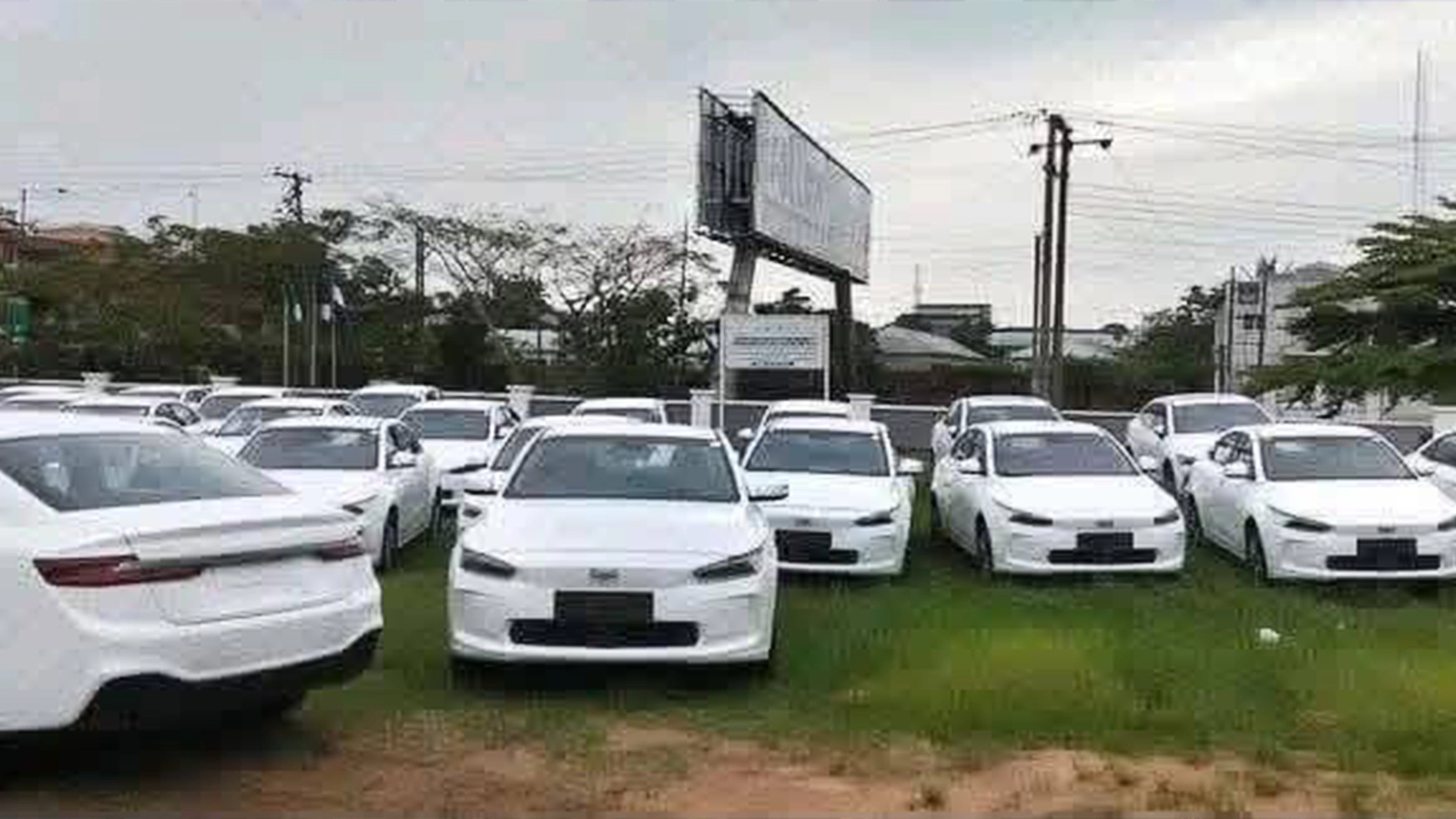
Cross River State workers and parents are groaning under soaring transport fares as schools resume for the 2025/2026 academic session, months after the state government acquired electric buses that are yet to be deployed.
The buses, procured by the Bassey Otu administration as part of its mass transit scheme to cushion the effect of fuel subsidy removal, are still parked at the premises of the state-owned Construction and Fabrication Academy of West Africa along Murtala Mohammed Highway, Calabar.
The delay comes as transport fares skyrocket across Calabar South, Calabar Municipality, Akpabuyo, Bakassi among other local government areas.
Checks by The Guardian show that at 6:30 am on Monday at Atimbo Road junction, school children and parents were locked in desperate scramble for tricycles, paying as high as N800 per trip, up from N600 before resumption.
Mrs. Eme Bassey, a petty trader and mother of three in Federal Housing Estate, said she now spends over N2,400 daily to take her two children to school.
“Before, I used to pay N600 per child from Federal Housing to Eta Agbo. Now they are collecting N800. In a day I spend almost N3,000. Government said they bought buses to help us, but we have not seen any,” she said.
At the University of Calabar main gate, Mary John, a 300-level student, said many students now trek long distances as mini-buses from 8 Miles to UNICAL now charge N800 to N1,000.
Commercial drivers blamed the hike on petrol selling for over N1,400 per litre in Calabar and rising cost of spare parts.
Transportation analysts say the situation reflects policy without implementation, warning that the delay is deepening poverty, as households now spend over 40 per cent of daily income on transport, and causing school absenteeism in public schools in Bakassi, Akpabuyo and Calabar South.
Reacting, the state Commissioner for Transport, Hon. Ekpenyong Cobham, assured that the buses will soon hit the roads and crash transport cost.
He said the procurement was a deliberate response to the fragile economy and volatility of fuel prices, and that the administration was avoiding hasty actions that could lead to errors.
“If you understand where Cross River State is coming from, you will understand that this administration cannot afford to jump into hasty actions which could possibly lead to resultant errors. When somebody has gone beyond conceptual planning to the level of procurement, that shows determination. This is deliberate,” Cobham said.
He disclosed that government has adopted a Public-Private Partnership model for the management of the buses and is at the stage of signing agreements with the preferred bidder.
“There are three actors in this play: the digital managers of the revenue stream, the operators and managers of the infrastructure, and then the government. Government has provided this infrastructure as its own counterpart contribution,” he said.
Cobham said charging infrastructure was being installed, with components already at the fabrication centre and mobile charging stations ordered for deployment at short notice.
He added that two Cross Riverians have been trained in China by Geely for three months to lead maintenance and train others.
He said the buses will not be restricted to Calabar intra-city routes but will cover inter-local government routes to impact food prices.
“Absolutely, the cost of transportation will fall drastically because the cost of operation is not comparative to fossil fuel. That’s why we chose electric,” he said, dismissing fears that the buses would fail in waterlogged areas.
The commissioner assured that the buses, wholly procured with state funds and not part of Federal Government’s CNG buses, will be deployed under a sustainable plan to ameliorate the suffering of Cross Riverians.


