Fed’s Warsh poised to pull trigger and raise rates for the first time under his watch - The Business Times
THE recent flare-up in the Iran war has set the stage for the US Federal Reserve to raise interest rates for the first time in more than three years this week. For many analysts and policymakers, that seems to be a perfectable reasonable outcome.
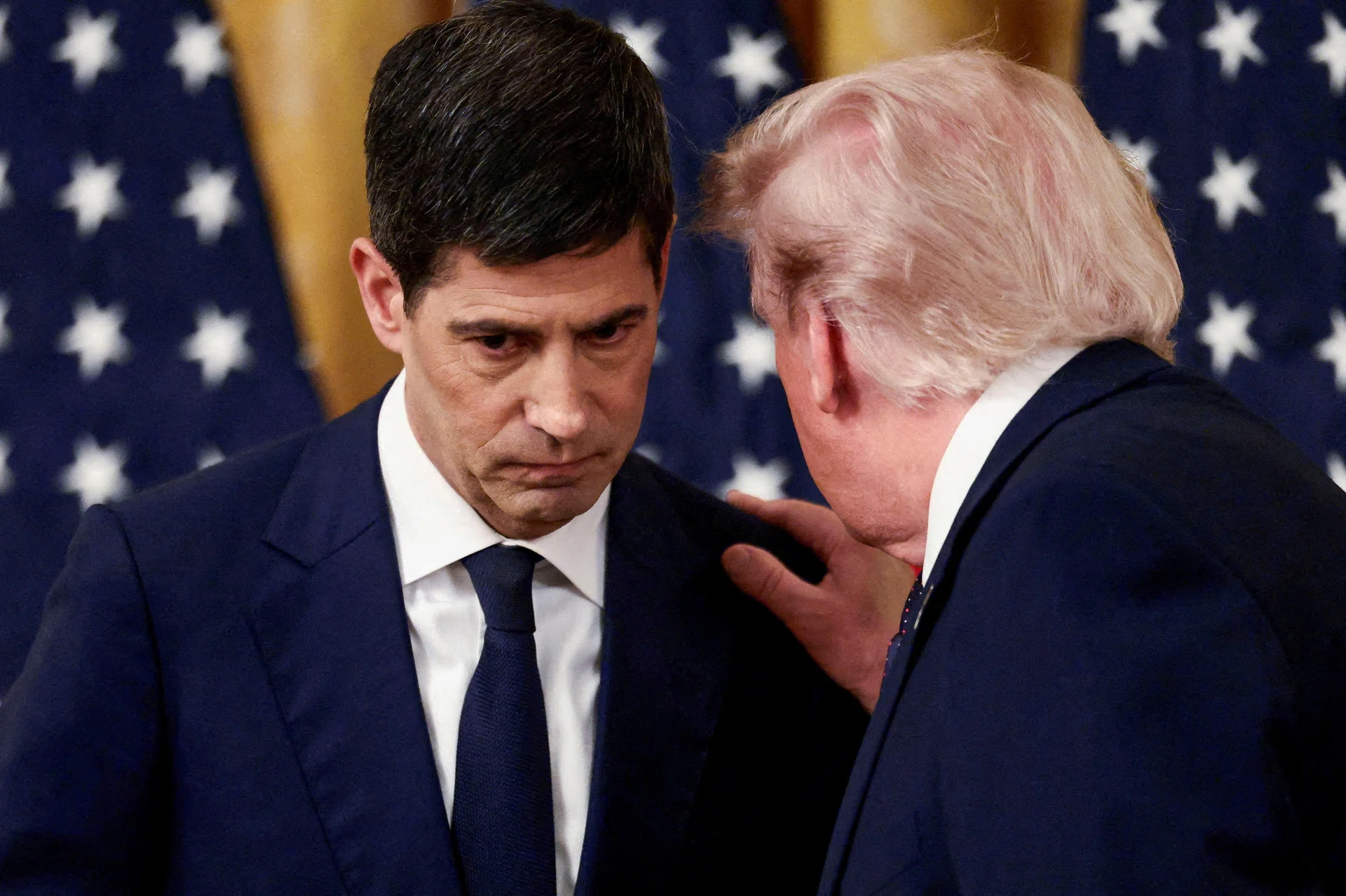
Fed chairman Kevin Warsh was chosen for the top job by US President Donald Trump because Warsh convinced the president that he would take a very different approach compared to his hawkish predecessor Jerome Powell.
As it turns out, however, most of Warsh’s differences were on issues other than rate policy.
When he speaks about inflation levels and the need to hold them back, Warsh sings from the same songbook as Powell.
At the Jackson Hole symposium in August, Warsh basically promised a rate hike. And that was before the resurgence of crude oil, refined fuel and food prices caused by the latest shipping attacks in the Middle East.
Thus, at the end of the Fed’s two-day policy meeting on Wednesday (Sep 16), Warsh has seemingly little choice but to hike rates a quarter of a percentage point to a range of between 3.75 per cent and 4 per cent.
Data has not shown a significant acceleration in inflation, said a group of HSBC economists in a note to clients.
Trump has put Warsh between a rock and a hard place by publicly demanding a rate cut at the same time that economists are demanding a rate increase.
But Warsh knows that the only thing worse than crossing Trump is crossing global markets. At this stage, with Fed funds futures markets pricing in an almost 90 per cent chance of an increase, even a hold would likely cause a market shock.
It will be at Warsh’s customary post-meeting press conference where his differences with his predecessor will become clear. Warsh has argued previously that Powell pandered to markets by explaining the Fed’s every move and outlining every plan.
That was partly why Warsh held the Fed’s benchmark rate at the current level of between 3.5 per cent and 3.75 per cent for his first two meetings in charge.
For the four months that he has been at the head of the central bank, he has noted the elevated inflation without giving any explanation what he was going to do about it.
Instead, Warsh preached patience – that the Fed should listen to market signals. He also said that the Fed should await a decisive answer to the debate about whether the net effect of the AI boom, oil swings and a listless labour market was an inflationary or disinflationary course.
The message from the Treasury market is now clarion. Long-term yields have hit their highest level in more than 20 years.
Buyers of US bonds want higher returns to bear the risk of inflation eroding the value of their money (and to bear the risk that the US will never get its US$40 trillion deficit under control).
August inflation reports also sent a clear signal and an alarming one. A spike in diesel and other commodity prices drove up wholesale inflation in the US, indicated the latest producer price index report last Thursday.
Core consumer prices rose more than anticipated, as the rising diesel and petrol prices costs were transmitted to airline tickets and other products.
Oil markets have been surprisingly sanguine in the face of the Strait of Hormuz blockades and, now, assaults on alternative oil routes by Yemeni and Iraqi militias.
But the price of diesel – the principal fuel for Amazon delivery trucks and international container ships – is now above US$6 a gallon on average in the US for the first time.
One rate hike will not have much impact on global food and energy markets disrupted by the ongoing wars in the Middle East and Ukraine.
The HSBC economists said there would likely be two more hikes before the current cycle is over, and no more than that – unless inflation rises much further than anticipated. They anticipate a pause ahead of the mid-term in November and another rate hike in December.
Investors may even welcome the Fed’s hike, which is in tune with the spirit of reining in some of the excesses of the artificial intelligence boom before AI runs away with the economy.
“If the US economy is as strong as everyone says it is, a quarter-point (increase) should not do much to the trajectory,” said Timothy Chubb, executive vice-president and chief investment officer at Girard, a wealth division of Univest.
“They are just putting the foot on brake, if you will. It encourages people to sharpen their pencils when risk taking.”
Decoding Asia newsletter: your guide to navigating Asia in a new global order. Sign up here to get Decoding Asia newsletter. Delivered to your inbox. Free.
Singapore’s new data centres must use renewables. Can they overcome the hurdles?
Will the US-Canada tariff war irrevocably damage bilateral ties?
/https://i.s3.glbimg.com/v1/AUTH_da025474c0c44edd99332dddb09cabe8/internal_photos/bs/2026/J/U/oBA3pASRGo7gBKg8dNKQ/screenshot-93.png)