Feroz Khan ordered to appear before Madlanga Commission as lawyers challenge subpoena terms - IOL
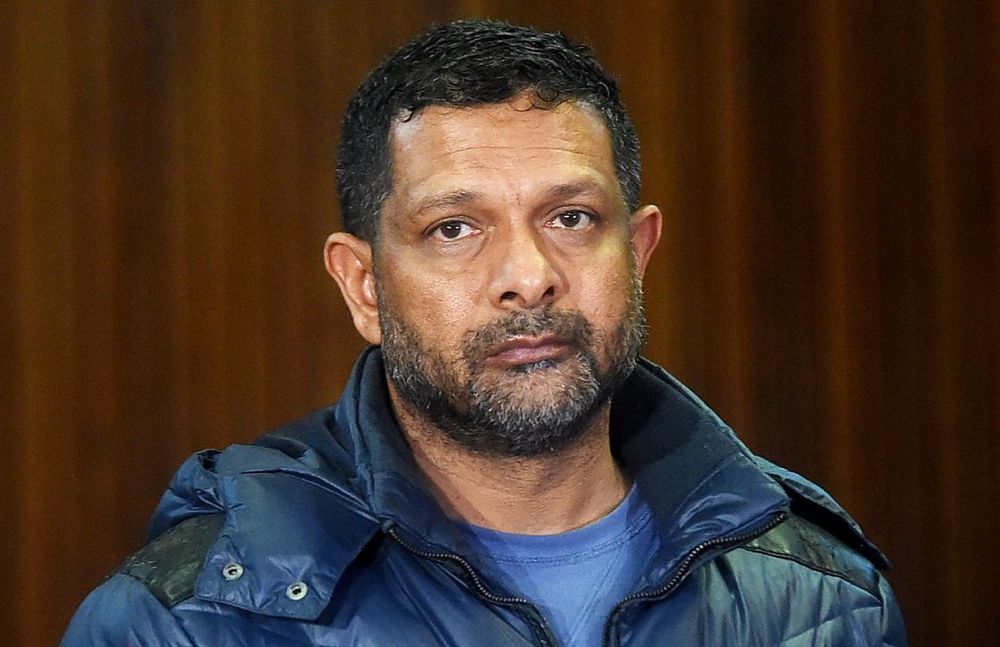
Former crime intelligence deputy Major General Feroz Khan has been ordered to appear before the Madlanga Commission next week, even as his lawyers continue to challenge the terms of his appearance and reserve his right to seek a review of adverse findings made against him.
Former crime intelligence deputy Major General Feroz Khan has been ordered to appear before the Madlanga Commission next week, even as his lawyers continue to challenge the terms of his appearance and reserve his right to seek a review of adverse findings made against him.
A subpoena issued by the commission on Friday directs Khan to appear on Tuesday, October 6, at 9.30am to give evidence in camera and remain before the inquiry until excused by its chairperson.
The Commission’s instruction is explicit: Khan must “appear before the Commission personally” on October 6 for the purpose of giving in-camera evidence. It also warns that failure to comply without sufficient cause constitutes an offence under the Commissions Act.
But Khan’s legal team has raised questions about what “personally” means, arguing that the Commission’s ruling contemplated evidence being given remotely.
In a letter to the attorneys representing the Commission, Khan’s lawyers said the ruling expressly contemplated him “testifying in camera and remotely”, while the new subpoena required him to appear “personally”.
They asked the Commission to confirm whether Khan would be permitted to participate remotely. The lawyers also requested details of the remote connection and technical arrangements, as well as confirmation that Khan’s legal representatives would be allowed to remain with him while he gives evidence.
They further sought clarity on the scope of the questioning, asking the Commission to confirm that it would be confined to the in-camera evidence Khan had previously given on July 7 and 9.
Khan’s lawyers say the requirement to submit a statement by midday on October 3 gives their client a “very short period” following the Commission’s latest ruling.
They stressed that any previous indication that Khan could give limited evidence on October 6 had to be understood alongside the medical qualifications attached to that indication.
“It was not an unconditional representation of fitness for a full day’s questioning or a waiver of adequate preparation time and medical safeguards,” the lawyers wrote.
The Commission’s subpoena, meanwhile, makes clear that Khan remains required to appear unless the Commission itself modifies or excuses compliance.