Half of Ohio Voters ‘Strongly Disapprove’ of Trump as Brown Opens Huge Lead - Newsweek
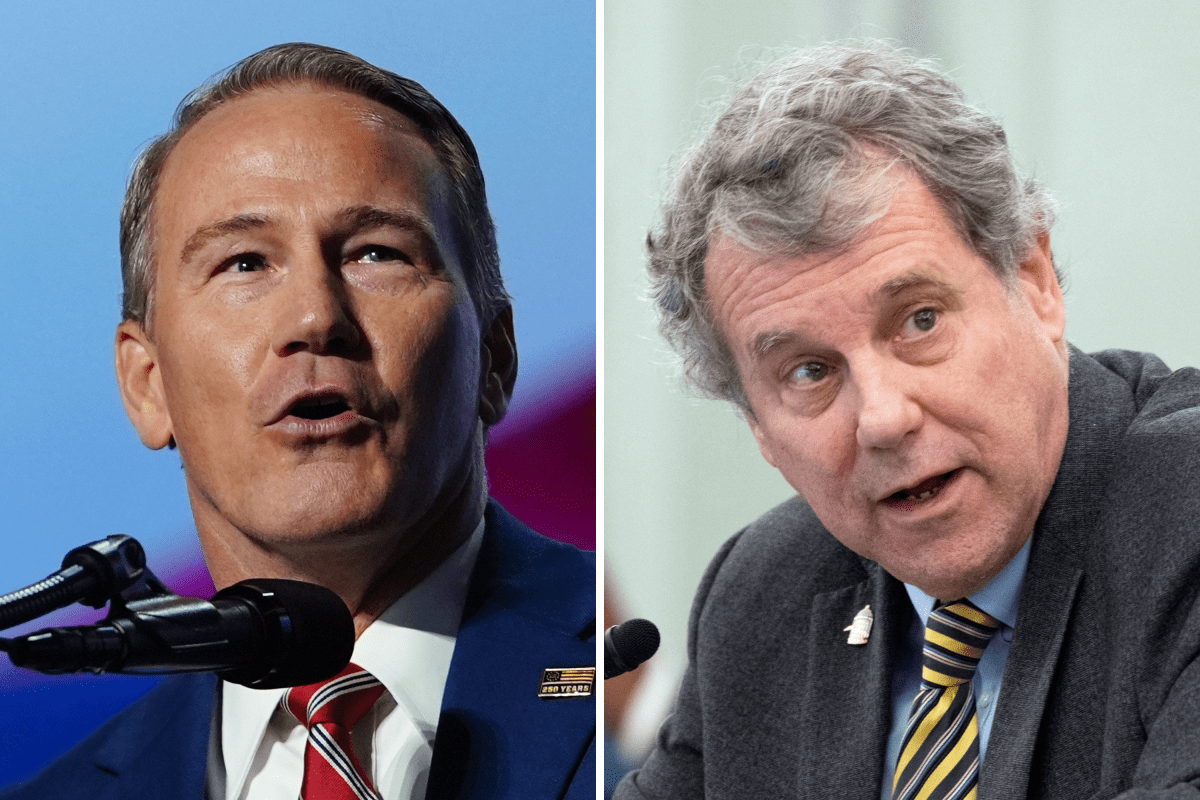
Former Democratic Senator Sherrod Brown leads Republican Senator Jon Husted in the Ohio Senate race by eight points in a new Marist poll of registered voters, as half of the respondents say they strongly disapprove of President Donald Trump.
Ohio backed Trump by double digits in 2024, but the state's special Senate election for the seat once held by Vice President JD Vance is shaping up to be a tight one and could play a role in which party controls the upper chamber. The poll results come as Trump is preparing to campaign for Husted in the campaign's closing stretch.
Brown is seeking a comeback after losing his Senate seat to Bernie Moreno in 2024. Ohio has shifted right after previously backing Brown and former President Barack Obama twice, before backing Moreno and Trump three times.
And Republicans aren't just facing warning signs in the Senate race; they are also trailing in the state’s gubernatorial and congressional contests in the Marist poll, as Trump's approval rating continues to slide and voters express pessimism over the economy, the Iran war and personal finances.
Husted’s campaign told Newsweek that it did not comment on public polling.
Newsweek also reached out to Brown’s campaign via email for comment on Tuesday morning.
The new poll suggests that Trump's approval rating slide could be weighing down Republican candidates.
Brown is drawing strong support from independents, giving the former three-term senator a clear route back to Washington.
Husted has served just under two years after being appointed to fill Vance's seat.
Republicans hold a 53-47 Senate majority, and Democrats need to defend all of their seats while flipping four GOP seats to gain control of the chamber.
Brown receives 51 percent support in the Senate contest, compared with 43 percent for Husted, according to the poll.
Marist interviewed 1,298 registered Ohio voters from September 24 to September 27. It has a margin of error of plus or minus 3.8 percentage points. Respondents were contacted by telephone using live interviewers, by text or online.
The poll's results give Brown his strongest recent position.
His advantage among independents is especially important in a state where Republicans have built a dependable presidential coalition but where the former senator has previously demonstrated crossover appeal.
Voters are less decisive when asked who they believe will win.
Fifty percent expect Brown to prevail, against 47 percent who choose Husted.
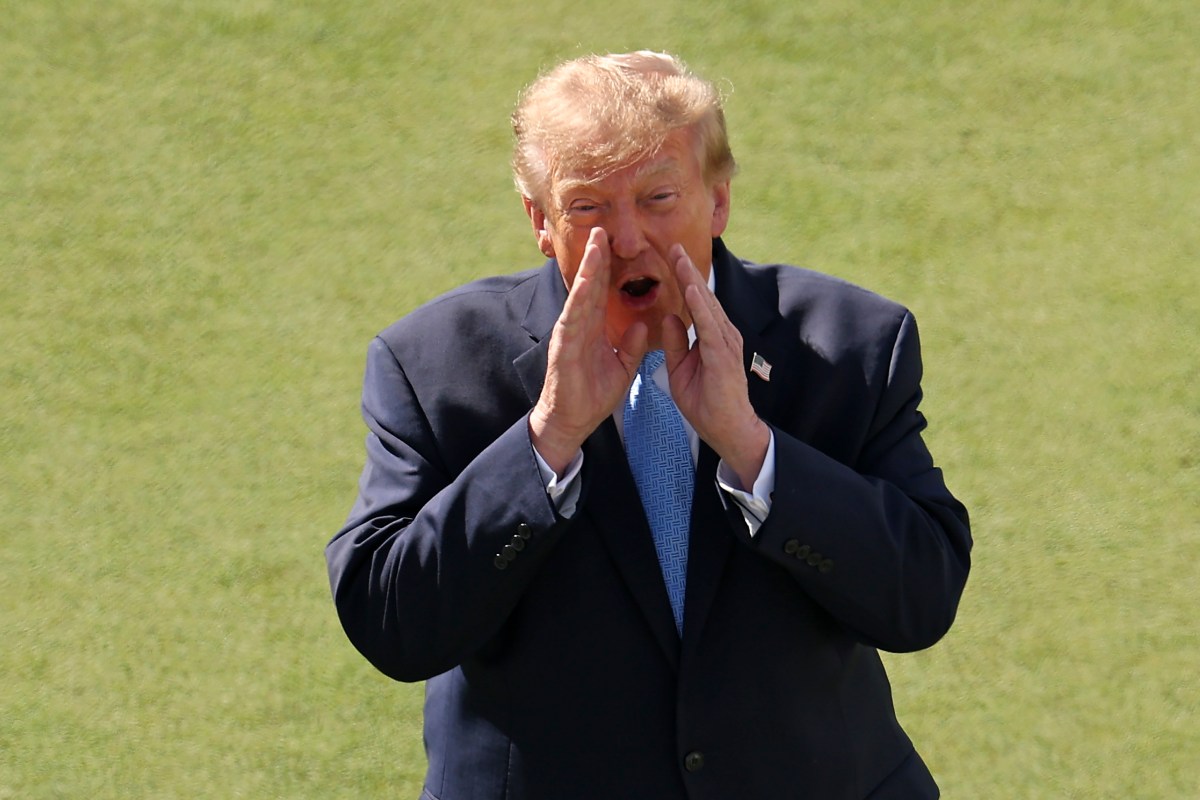
Fifty percent of respondents said they strongly disapprove of Trump's performance, compared with 27 percent who strongly approve.
Five percent said they disapprove, while 15 percent approve.
When Marist polled Ohio in September 2018, the last time Trump was president during a midterm election, 37 percent strongly disapproved of his performance.
Voters say that the president is shaping voting intentions beyond the Senate contest. Forty-one percent said that their congressional choice will mainly be a vote against Trump, while 25 percent describe it as a vote in his favor. Another 33 percent say the president is not much of a factor in their vote.
On the generic congressional ballot, Democrats lead by 50 percent to 47 percent.
Fifty-two percent of respondents still said they think the Republican candidate in their district will be elected.
Economic pessimism runs through the findings. Forty-one percent report that their personal finances have worsened over the past year, while 37 percent say they are unchanged. Just 19 percent have seen an improvement.
Views differ sharply by party: 59 percent of Democrats say their finances have deteriorated, compared with 23 percent of Republicans.
Even so, the statewide balance leaves a relatively small share of voters who feel better off ahead of the election.
The same political environment is visible in the governor’s contest.
Acton leads Ramaswamy by 50 percent to 44 percent, with independents favoring the Democrat by 57 percent to 32 percent.
Expectations again point the other way.
Fifty-three percent believe Ramaswamy will win, while 43 percent expect an Acton victory.
That creates an unusual pattern across both marquee races: Democrats lead in stated support, but many voters still assume Ohio’s Republican candidates will prevail.
The Marist result sits at the upper end of Brown’s recent polling, while other September surveys portray a closer election.
Brown’s campaign said it raised $17.1 million in the second quarter of 2026.
Husted’s campaign announced $7.7 million over the same period and said it had more than $11 million in cash on hand.
The figures measure different aspects of financial strength: quarterly fundraising indicates the pace of incoming money, while cash on hand shows what remains available for future spending.
Crypto-backed super PAC Fairshake plans to spend at least $30 million opposing Brown in the November 3 special election.
The announcement followed Senate Democrats’ opposition to a procedural vote on the CLARITY Act, a Trump-backed proposal to create a federal regulatory framework for digital assets. Brown is not currently serving in the chamber and did not participate in the vote.
Patrick Eisenhauer, Brown’s campaign manager, said Husted was “for sale” and accused special interests of panicking.
Olivia Tripodi, press secretary for Husted’s Senate office, said the senator believed the legislation would protect consumers while supporting domestic innovation and employment.
Brown has also made data centers part of his argument against Husted, portraying the Republican as the industry’s political “face” in Ohio and connecting new developments with tax incentives and higher electricity bills.
Husted has called the attack hypocritical, citing Brown’s previous support for data-center investment.
The GOP senator has promoted his Ratepayer Protection Act as a way to prevent households and small businesses from being left with infrastructure costs created by large facilities.
The measure would not guarantee lower monthly bills. Any effect would depend on state regulators and agreements involving utilities and data-center operators.
Trump is scheduled to campaign with Husted in Vandalia, Ohio, on Saturday, testing whether the president remains more valuable as a Republican turnout driver than he is useful to Democrats as a motivating opponent.
Newsweek’s reporters and editors used Martyn, our AI assistant, to help produce this story. Learn more about Martyn here.
Contact Newsweek editors on this story: Alfred Joyner and Geoffrey Rowland.