Heritage Month must help us understand each other
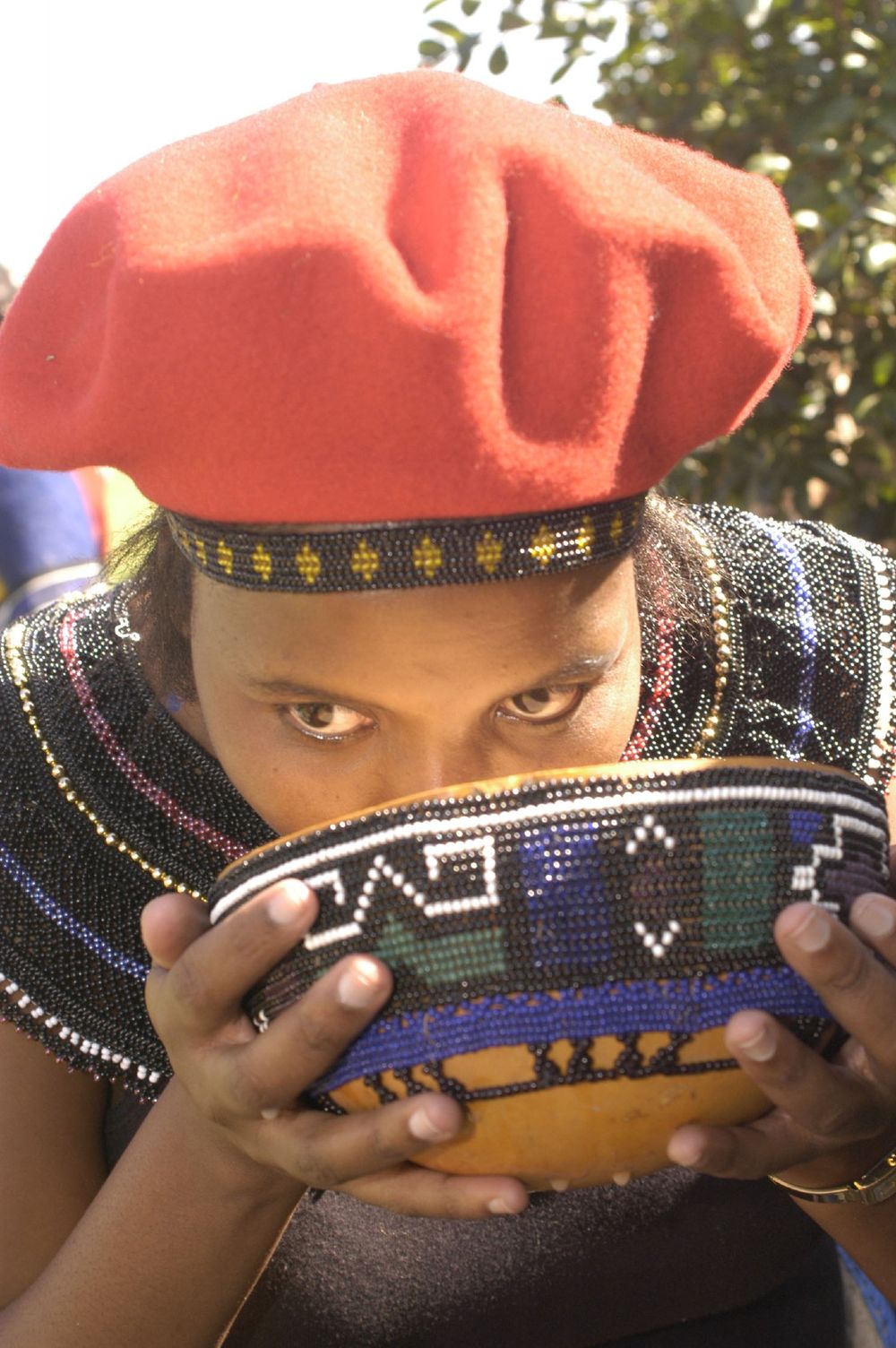
The South African Police Service is one institution that publicly celebrates cultural diversity. In this file picture Sophie Masombuka drinks umqombothi (a Nguni sorghum beer).
South Africa’s heritage is unusually well suited to fostering social cohesion precisely because it is not one heritage. It is a layered inheritance shaped by indigenous African civilisations, migration, colonialism, slavery, Indian indenture, Afrikaner and British settlement, apartheid and, ultimately, the democratic constitutional order.
Yet this extraordinary diversity has not translated into anything close to a shared understanding of one another.
This cultural asymmetry deserves greater attention. Many indigenous South Africans have made an effort to understand the cultures of other communities, but the reverse is often far weaker. South Africans can live alongside amaZulu, amaXhosa, amaPedi, Tswanas, amaNdebele, amaSwati, Venda and others for decades while knowing remarkably little about their histories, traditions and languages.
That gives Heritage Month a far greater purpose than simply wearing traditional clothes, enjoying traditional food or celebrating braai culture.
A cohesive society cannot be built by asking people merely to celebrate diversity. People must be given opportunities to understand one another.
That understanding must go beyond food, music and colourful traditional clothing. These are useful entry points, but they are not enough.
A South African Indian child should ideally grow up knowing something about the Zulu kingdom, Xhosa kingdoms, Pedi state, Ndebele migrations and Venda and Tsonga traditions. Not because they are expected to become Zulu, Xhosa or Pedi, but because these histories form part of the country in which they live.
The same principle must apply in the opposite direction. An isiZulu-speaking child should know something about Indian indentured labour in Natal, the Cape Malay community, Afrikaner and Jewish South African histories, and the experiences of English-speaking South Africans.
Schools and workplaces can play a critical role. Cultural exchange programmes in schools and meaningful cultural and linguistic literacy in the workplace could help turn diversity from a demographic statistic into genuine understanding.
We are more than just the food we eat, the traditional attire that we wear or the traditional songs we sing in different traditional ceremonies.Heritage Month should therefore be about more than celebrating what makes us different. It should help South Africans understand where those differences come from, and why they are all part of our shared national story.