Herron vows to stop sale of City land to tackle housing crisis - IOL
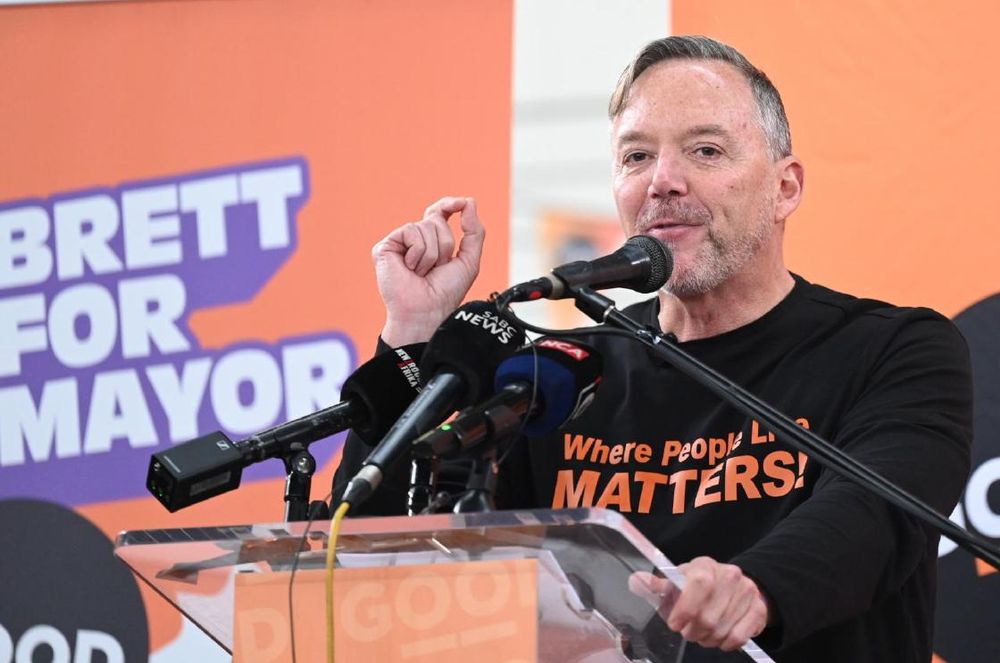
GOOD mayoral candidate Brett Herron launches the party’s Cape Town election manifesto in Athlone.
GOOD Party mayoral candidate Brett Herron has vowed to stop the sale of City-owned land from his first day if elected Cape Town mayor, arguing that public land should first be used to tackle the housing crisis.
Herron also wants the City to build housing itself on municipal land where attempts to get private developers to deliver have failed.
He made the commitments as GOOD launched its Cape Town election manifesto in Athlone on Saturday, September 19, 2026, putting housing and the use of public land at the centre of its campaign for the City.
“Our flagship Day One action is a moratorium on the sale of all public land and long leases over ten years, city-wide, effective immediately,” Herron said.
“Not a permanent freeze, a pause, with a published end-condition.”
Under the plan, City-owned properties would first undergo an independent land and property audit before they could be sold or tied up in a long-term lease.
Herron said each property would be assessed against Cape Town’s housing backlog, areas where community facilities are needed and other public needs before council decides its future.
The promise comes as the use of City-owned land for housing remains a contested issue in Cape Town.
Annandale is among the City-owned sites earmarked for housing development, with City documents listing a potential yield of 2,500 units. But Herron’s manifesto proposes a different approach to how the City uses some of the land it owns.
Where attempts to get private development off the ground have failed, GOOD wants the City to build housing itself.
GOOD says six of the last seven parcels released for affordable housing received no responsive bids and wants City-owned, rent-stabilised flats built on public land.
The City, however, is pursuing partnerships with private developers as part of its affordable housing programme.
In August, it said its land-release pipeline had grown to more than 14,000 affordable housing units, representing an estimated R26 billion in private-sector development capital. The City described those properties as being in its active land-release pipeline or project-packaging stage, rather than completed housing.
Herron’s housing plan also proposes upgrading informal settlements where they are, instead of treating relocation as the first option.
Residents would be given greater security of tenure while services are installed and settlements upgraded in consultation with the people living there.
GOOD also wants private developers to contribute affordable housing in exchange for additional development rights, while apartheid-era migrant labour hostels would be converted into family homes.
Herron said a GOOD administration would also halt City-initiated evictions from council rental stock.
The commitments form part of his argument that Cape Town needs to change how public land is used to address where people can afford to live.
Herron said the promises would form part of a First 100 Days Delivery Plan, with progress made public for residents to track.
“A promise with no mechanism is just noise, and Capetonians don’t need more noise,” he said.