Hormuz oil shipments hit 6-month high, US commander says
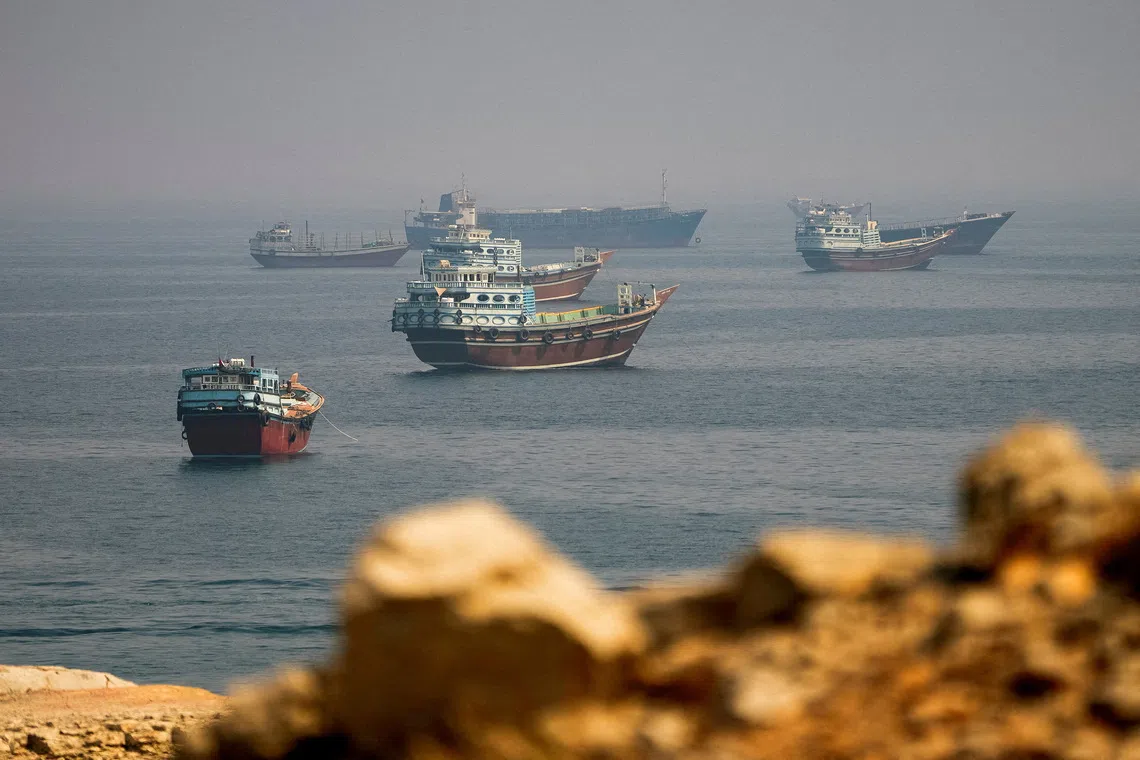
Vessels near the Strait of Hormuz, as seen from Musandam, Oman, on Aug 31.
RIYADH – Oil and liquefied natural gas shipments through the Strait of Hormuz in the past two weeks reached the highest level in six months, signalling that US naval protection and mine clearance efforts are “paying off”, a regional US commander said.
“Clearly, momentum is building,” Admiral Brad Cooper, head of US Central Command, said in a video message on Sept 19. The strait’s primary transit lanes are clear of mines and Persian Gulf allies have shipped more than one billion barrels of crude through it “in the last couple (of) months”.
Cooper’s comments follow a growing global squeeze on oil and petroleum products since the summer, spurred in part by drone attacks linked to the Iran war that halted a Saudi Arabian pipeline bypassing the strait. Iran maintains it has closed the strait and regional negotiations on agreed shipping routes have faltered.
The Saudi Arabian authorities issued two early-morning air raid alerts for Riyadh on Sept 19, the first in the capital since the height of the US-Iran war in March and April. Saudi civil defence said the danger had lifted soon after in both cases.
US President Donald Trump’s administration, faced with soaring petrol and diesel prices in a midterm election year, has repeatedly cited the volume of tanker traffic through the strait in recent weeks.
US Energy Secretary Chris Wright said on Sept 13 that markets will need to continue relying on transit that he estimates at 10 million barrels a day of crude and oil products through the Strait of Hormuz. He called oil markets “tighter than we’d like today, but they’re not overly tight”.
Cooper said the US – along with Persian Gulf allies, insurers and shipping companies – is working to further increase the flow through the strait.
“The effort is paying off,” he said. “The volume of crude oil, cargo, and liquid natural gas these past two weeks is higher than at any point in the past six months.”
Meanwhile, Iran “has exported zero barrels” as the US enforces a blockade in the strait.
Saudi Arabia, historically the world’s leading oil exporter, came under renewed attack in September as the Houthis, an Iran-backed group based in Yemen, targeted western towns and energy infrastructure. The Saudi government said the drone attack that shut down the East-West pipeline originating in Iraq, which has several pro-Tehran militias.
Yemen’s Houthis have been carrying out almost daily strikes against Saudi Arabia in the last month, with one attack causing a death and several injuries in Taif on Sept 17.
The Houthis have also said they are blockading Saudi ships in the Red Sea and have hit several ships in the waterway, which has served as a key oil export route for Saudi Arabia since the Iran war disrupted Strait of Hormuz traffic. BLOOMBERG