Idaho cops identify dead man underneath a church pew in 1982 and link him to unsolved ‘Tylenol’ murders
Want to bookmark your favourite articles and stories to read or reference later? Start your Independent Membership today.
A man who died by suicide inside an Idaho church more than four decades ago has been identified as a former chemist with potential ties to the unsolved 1982 Chicago Tylenol poisonings, local authorities have announced.
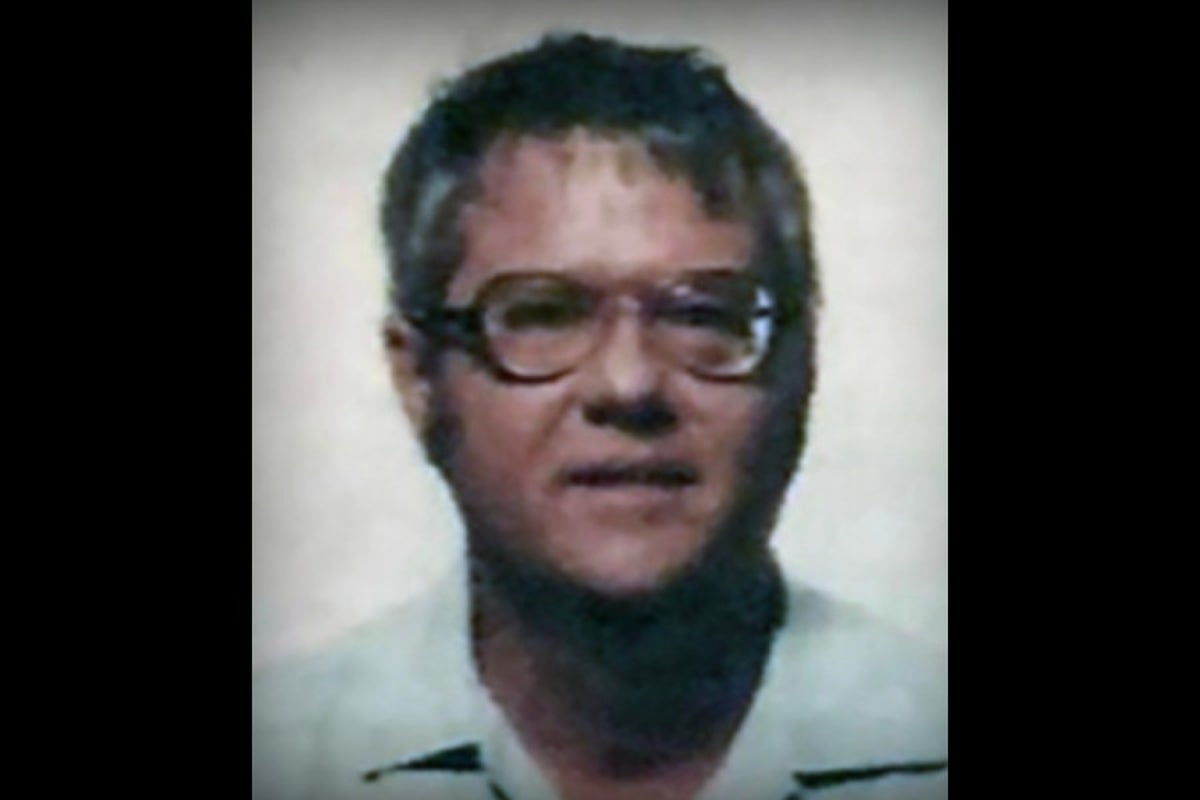
Known for decades only as the “Unknown Wanderer,” the man was identified as Matthew Francis Betkouski. His body was found beneath a pew at Sacred Heart Catholic Church in Boise on December 4, 1982, with a suicide note signed under the alias “Wm. L. Toomey” and $1,900 intended to pay for his funeral and cremation. An autopsy determined he died from cyanide ingestion.
Investigators from the Ada County Sheriff’s Office identified the man after reopening the cold case file in 2019. The break came from a key found on Betkouski’s body, etched with an address tied to Jacksonville, Florida.
Detectives traced property records from the area, leading to a family whose relative had gone missing in 1982 and was declared legally dead seven years later. DNA testing confirmed Betkouski’s identity.
During a news conference on Wednesday, police revealed that Betkouski — a PhD holder from a prominent Los Angeles family who suffered a traumatic brain injury in 1974 — had a documented history of severe mental illness and a long-standing fascination with chemical compounds.
Former colleagues reported hearing Betkouski discuss cyanide on multiple occasions. At a job in Florida, co-workers recalled him describing “the perfect crime involving cyanide.”
Later, while working for Lockheed Martin between 1979 and 1982, he reportedly commented on how easily poison could be placed inside over-the-counter medication capsules and attempted to take unauthorized lab materials home “for an experiment.”
A search of Betkouski’s childhood bedroom yielded writing from 1980 and 1981 expressing a desire to travel to Illinois, as well as a 1970s map of Chicago and photos confirming he was in the Chicago area in December 1981. Detectives also recovered a bottle of sodium cyanide derived from fruit pits, a different form than the potassium cyanide used in the Chicago attacks.
The 1982 Tylenol poisonings killed seven people in the Chicago area: Mary McFarland, Mary Kellerman, Paula Prince, Mary “Lynn” Reiner and three family members — Stanley, Adam and Terri Janus. The deaths rattled the nation after victims unknowingly consumed over-the-counter capsules laced with potassium cyanide.
Although Ada County authorities cautioned that Betkouski is not currently an official suspect, they noted several circumstantial details from the fall of 1982. After selling his vehicle in New Mexico in October 1982, Betkouski altered his appearance by dyeing his hair and tanning before traveling to Idaho.
Ada County officials confirmed they turned over all evidence to Illinois investigators.
The Chicago poisonings remain open and actively investigated. To date, no one has been charged with the seven killings. James Lewis, the only person convicted in connection with the case, served prison time for extortion after mailing a letter demanding $1 million to “stop the killing.”
Lewis, who died in 2023, maintained his innocence regarding the physical poisonings until his death. In a 1992 interview with the Associated Press, Lewis defended a detailed operational account he had handed over to federal agents.
“I was doing like I would have done for a corporate client, making a list of possible scenarios,” Lewis said.
He referred to the true perpetrator as “a heinous, cold-blooded killer, a cruel monster.”
According to reporting by the Chicago Tribune, investigators long suspected Lewis was motivated by revenge against Johnson & Johnson, whose subsidiary manufactured medical sutures involved in the 1974 death of his 5-year-old daughter, Toni. Lewis repeatedly denied the connection, telling the outlet in 2022 that he was treated unfairly by law enforcement.
Responding to the new findings from Idaho, Chicago police confirmed they are reviewing the materials.
The Arlington Heights Police Department released a statement addressing the developments.
“There have been repeated claims over the past 44 years about alleged links to the Tylenol Murders which have remained unsubstantiated,” the statement read. “Out of respect for the ongoing, legitimate investigation, those impacted by the tragedy, and the law enforcement partners who have provided genuine support since the start, the FBI remains the lead on investigating and releasing credible information to the public once the evidence yields a true case resolution.”
The department issued a second statement shortly after.
“We received and reviewed information provided by the Ada County Sheriff’s Office,” police said. “We remain committed to collaborating with our law enforcement partners and pursuing any viable leads as they become available. Because this remains an active investigation, we have no additional information to release at this time.”