IIT-B backs it, IISc questions it: Inside Bengaluru's Hebbal tunnel debate
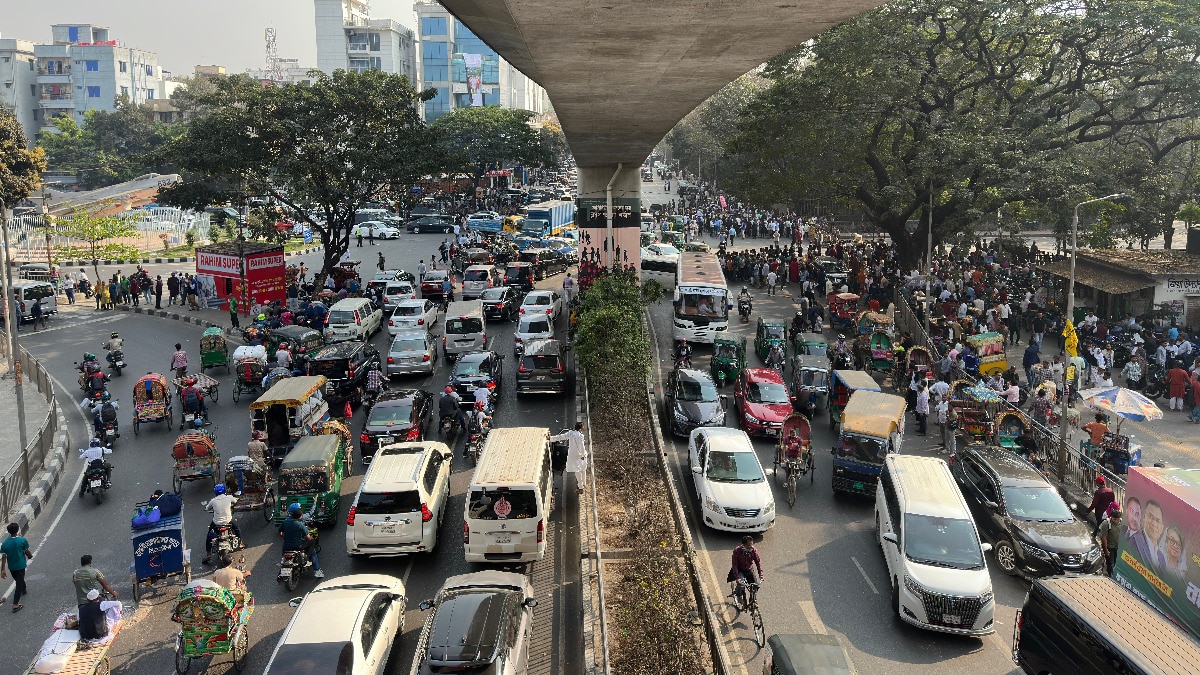
Bengaluru’s proposed Hebbal short tunnel has triggered a fresh technical debate between two premier institutions, with IISc calling an IIT Bombay study “biased in favour of building a tunnel and an elevated corridor”, as reported by The Indian Express. The IIT Bombay assessment, however, recommends treating the two projects as complementary solutions to the city’s severe traffic congestion.
The IIT Bombay study, prepared by Professor Archak Mittal for Rithwik Projects Private Limited, examined traffic conditions around Mekhri Circle, Ballari Road (NH 44), CBI Junction, Veterinary College and the Hebbal interchange. It concluded that combining the proposed tunnel with an elevated corridor could help distribute traffic across multiple routes.
However, the IISc Sustainable Transportation Lab has questioned the study’s data, methodology and modelling assumptions, arguing that the proposed infrastructure could provide limited relief while shifting congestion to other parts of the network.IIT BOMBAY STUDY FLAGS SEVERE TRAFFIC CONGESTION
The IIT Bombay study examined traffic conditions around the Hebbal-Mekhri Circle corridor, which carries substantial traffic from Kempegowda International Airport and Yelahanka towards central Bengaluru, Yeshwanthpur and K R Puram.
According to the study, 32,770 vehicles crossed Hebbal Junction between 9 am and 10 am, while Mekhri Circle recorded 28,493 vehicles during the same period.
After converting traffic volumes into standard traffic units, the study calculated volume-to-capacity ratios of 2.65 and 2.14 for key movements. This indicated that estimated traffic demand was more than twice the available road capacity at those locations.
The study also recorded very low average speeds during congested periods. The average speed between Anand Nagar and Hebbal was 4.29 kmph, while the stretch from Esteem Mall to the Hebbal down ramp near Baptist Hospital recorded an average speed of 3.57 kmph.
Against this backdrop, the IIT Bombay study assessed the proposed tunnel and elevated corridor as components of an integrated traffic system rather than as competing alternatives.WHAT DOES THE IIT BOMBAY PLAN PROPOSE?
According to the study, the proposed 1.78-km elevated corridor from Mekhri Circle towards Veterinary College would have four lanes and four entry and exit ramps. The 2.2-km underground tunnel would have three lanes in both directions, connecting the Hebbal flyover junction with Veterinary College through the Gandhi Krishi Vignana Kendra campus.
The IIT Bombay assessment said the two projects could complement each other by providing motorists with multiple routes. Its microsimulation model assessed the tunnel, elevated corridor and existing road network as an integrated system.
The study also stressed the need for effective signage, lane design and traffic management. If only one project is implemented initially, it recommended prioritising the elevated corridor, saying it could deliver a larger share of the projected benefits on its own.IIT BOMBAY STUDY ITSELF SEEKS MORE TRAFFIC DATA
While supporting the integrated infrastructure approach, the IIT Bombay study also identified the need for additional traffic research before final design decisions are taken.
It recommended a proper origin-destination survey, additional evening peak-hour traffic data, and pedestrian and traffic counts. The study also recommended increasing the separation between the elevated corridor and tunnel structures to at least 250 metres to improve traffic movement.
This is significant because the projected effectiveness of both projects depends heavily on how traffic is expected to distribute itself between the existing roads, elevated corridor and tunnel.IISc CALLS IIT BOMBAY STUDY ‘BIASED’
The IISc Sustainable Transportation Lab has challenged the conclusions of the IIT Bombay study, questioning whether its methodology and modelling adequately support the recommendations.
In its review, the lab described Professor Archak Mittal’s report as “biased in favour of building a tunnel and an elevated corridor” and questioned whether the study sufficiently accounted for the wider impact of the proposed infrastructure.
The IISc review argued that the IIT Bombay assessment did not adequately account for the fact that the elevated corridor’s supporting piers would occupy space on existing roads and could consequently affect their capacity.
Ashish Verma of the IISc Department of Civil Engineering said the recommendations offered “extremely limited relief” while potentially creating new congestion points.
He also questioned the scientific basis for the recommended 250-metre separation between the elevated corridor and tunnel, saying the report did not provide a scientific approach to support that recommendation.DATA SOURCES AT THE CENTRE OF THE DISPUTE
The disagreement is not limited to whether Bengaluru should have a tunnel or an elevated corridor. A major point of contention is the traffic data and modelling methodology used to arrive at the conclusions.
The IIT Bombay study was prepared for Rithwik Projects Private Limited, the contractor associated with the proposed short tunnel project. The report itself noted that its analysis was based on information provided by the client and did not represent the official views of IIT Bombay.
The IISc reviewers have questioned the extent to which the traffic data was independently verified and whether the model adequately examined possible congestion spillovers beyond the immediate Hebbal-Mekhri Circle corridor.
Other mobility experts have also raised questions about the absence of a fresh origin-destination survey and the use of traffic information drawn from project Detailed Project Reports.WHAT DID THE EARLIER IISc STUDY SAY?
The latest disagreement follows an earlier IISc Sustainable Transportation Lab assessment of the proposed 2.2-km Hebbal short tunnel. That assessment concluded that while the tunnel could reduce congestion at Hebbal Junction, congestion could persist or emerge at its entry and exit points, particularly around Veterinary College and Esteem Mall.
The IISc study also warned of possible traffic spillover towards Mekhri Circle. Another concern raised in the assessment was the potential for flooding around the tunnel’s low-lying entry point near Hebbal Lake.
The study also compared the proposed tunnel with an underground Metro alternative and argued that high-capacity public transport could offer greater network-wide benefits.THE BIG QUESTION: WHERE DOES THE TRAFFIC GO?
The IIT Bombay study says the tunnel and elevated corridor could distribute traffic across multiple routes and ease congestion, while IISc has questioned whether they could simply shift bottlenecks to downstream entry, exit and merging points.
The contrasting assessments highlight the need for independently verified traffic data, fresh origin-destination surveys and robust modelling before a final decision is taken. The key question remains whether the projects will reduce congestion across the wider Hebbal-Mekhri Circle network or simply shift it elsewhere.- EndsREAD | Bengaluru traffic now starts at home, residents stuck for 30 minutes to get outREAD | How can Bengaluru fix its traffic? Minister Krishna Byre Gowda has a plan