Independence Day: Nigeria was like cancer patient on morphine, until we came — Tinubu - Vanguard News
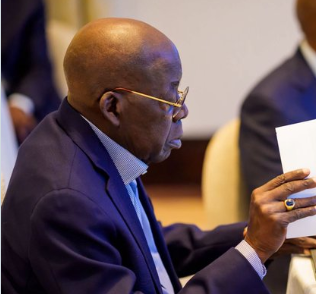
President Bola Ahmed Tinubu has likened Nigeria’s economic situation before his administration to that of a cancer patient on morphine, saying successive governments treated the symptoms of the country’s problems while allowing the underlying challenges to worsen.
Tinubu stated this in his 66th Independence Day address to Nigerians, where he defended the economic reforms introduced by his administration.
He said by 2023, poverty was rising and hope was “nearly gone”, adding that the country’s situation had become too difficult for the government to avoid taking decisive action.
“Nigeria was like a sick patient who receives the terrible news that he has cancer. His doctor explains that the treatment will be difficult and painful, but that it offers a strong prospect of recovery.
“The patient has a choice. He can begin treatment, endure its discomfort and fight the disease. Or he can ask only for morphine, dull the pain and leave the cancer to spread,” Tinubu said.
He said Nigeria’s leaders had, for too long, chosen what he described as “morphine” while waiting for a miracle, instead of confronting the structural problems facing the country.
“For too long, Nigeria’s leaders chose morphine while praying for a miracle that never came.
“They focused on symptoms while allowing the disease to take hold deep within the fabric of our society. We spent enormous sums sustaining inefficient arrangements that were never intended to last. We hid from difficult truths and passed the consequences from one generation to the next,” he said.
Tinubu said his administration resolved to adopt a different approach when it assumed office, adding that it chose to address the underlying problems through reforms.
“When this Administration assumed office, we resolved to do things differently. We chose to excise the cancer,” he said.
The President acknowledged that the reforms had been difficult and that their effects had caused hardship, but said the difficulties should not be confused with the problems the reforms were designed to address.
“The reforms that followed were difficult. The side effects were real. Yet, we must never confuse the medicine with the disease,” he said.
Tinubu also urged Nigerians to reject calls for a return to what he described as “the abuse of addictive subsidies”, saying the reforms were necessary to confront weaknesses in the economy.
“Our reforms did not create the weaknesses in our economy. They confronted them,” he said.
“Now, as certain influential but regressive voices would have us abandon the treatment and return ourselves to the abuse of addictive subsidies, we must resist their siren song. We must remember why we began this journey and how far we have already come.”
Tinubu said three and a half years after his administration began implementing the reforms, Nigeria’s economic outlook had improved.
“Three and a half years later, the evidence that Nigeria’s economic outlook has improved is undeniable,” he said.
According to the President, the economy had grown by more than four per cent in 2026, with both the oil and non-oil sectors contributing to what he described as a period of stable growth.
He also cited a reduction in oil theft, a substantial fall in inflation from its peak, rebuilt foreign reserves and greater stability in the foreign exchange market.
Tinubu said Nigeria recorded its highest revenue from non-oil exports in 2025, exceeding $6 billion.
“This is real money being made by real Nigerian businesses,” he said.
The President said international observers, journalists, non-governmental organisations and multilateral institutions had also recognised the changes in the Nigerian economy.
“These are not idle claims. International observers, journalists, NGOs and multilateral institutions can see the change. Each has concluded that our reforms have strengthened Nigeria’s economic stability and resilience,” he said.
Tinubu added that the private sector had responded to the reforms, while foreign direct investment continued to rise.
Comments expressed here do not reflect the opinions of Vanguard newspapers or any employee thereof.