‘India, buy your oil elsewhere’: Senator after US House passes Russia sanctions bill - The Indian Express
The US House of Representatives has passed legislation that would give President Donald Trump the authority to impose tariffs of up to 100 per cent on countries, including India and China, that continue buying Russian oil and gas, escalating pressure on two of Moscow’s biggest energy customers.
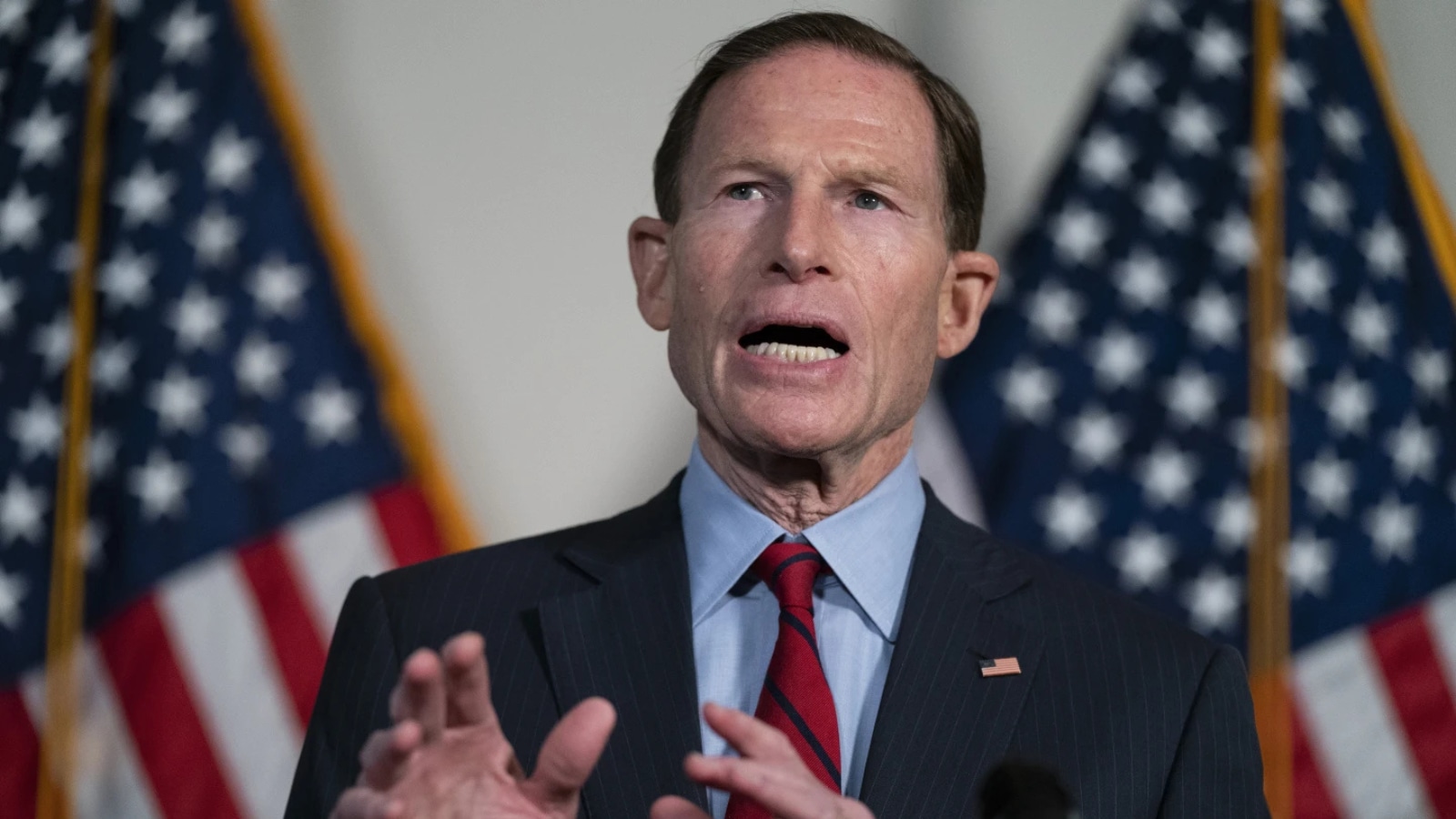
“China and India, you better buy your oil and gas somewhere else,” Democratic Senator Richard Blumenthal told reporters after the passage of the bill, according to PTI.
US Senator Richard Blumenthal’s message to India after US House passed legislation allowing tariffs of up to 100% on major buyers of Russian energy.
This is the language US senators are now using when talking to India. pic.twitter.com/HkFFAHUX2g
The Lindsey O. Graham Sanctioning Russia and Iran Act of 2026 passed the House by 262-159 on Wednesday, with 203 Republicans, 58 Democrats and one Independent voting in favour. Seven Republicans and 152 Democrats voted against it, news agency Reuters reported.
The legislation, which had already cleared the Senate by 86-11 on August 7, will now go to Trump. It does not itself impose a 100 per cent tariff on Indian or Chinese goods; rather, it gives the president the authority to impose such tariffs under specified conditions if he chooses to use that power.
The bill seeks to increase economic pressure on Russia by targeting its leadership, energy sector and the so-called “shadow fleet” of vessels used to circumvent sanctions on Russian oil shipments.
It also authorises Trump to impose steep tariffs on countries buying Russian crude oil or natural gas, with India and China among the countries potentially affected.
“Russia is getting that oil and gas sold by using the shadow fleet, which means that it’s being bought at less than market rates, and it’s going mostly to countries like China and India,” PTI quoted Democratic Senator Jeanne Shaheen as saying.
“China is the top user of Russian oil and gas, and we need to send a very strong message, not just to Putin, but to China, and to anybody who is buying Russian oil and gas, that they are going to pay a price for that,” Shaheen said.
Blumenthal’s warning came after the House vote. Other reports quoted him as telling India and China to “clean up your act” and buy oil and gas elsewhere.
India has already warned Washington that the new measures could affect bilateral relations. The External Affairs Ministry said on Thursday that India had raised the issue with US interlocutors in recent months and had “very clearly articulated” the potential implications for the bilateral relationship and the international energy market.
New Delhi remains “firmly committed” to ensuring energy security for its people and will continue to source supplies from diverse sellers based on market dynamics, the ministry said.
“The Indian side has also made clear its determination to take all necessary measures to protect its trade and economic interests,” the ministry said.
India is the world’s third-largest oil importer and has remained a major buyer of Russian crude since Moscow’s invasion of Ukraine in 2022. New Delhi has repeatedly defended its purchases by citing the need for secure, affordable and reliable energy supplies.
Indian refiners have already arranged oil supplies for September and October that include Russian crude, according to sources cited by Reuters. Two refining sources told the news agency they wanted the government to raise the issue with US authorities, warning that a new tariff could sharply increase costs.
The legislation comes as India continues to balance its energy requirements with pressure from Washington to reduce purchases of Russian oil.
Reuters reported that Indian refiners are seeking possible relief rather than an immediate 100 per cent tariff, including time to wind down existing transactions and potentially establish a quota for Russian oil purchases. Refiners are already dealing with disruptions to oil supplies caused by the war in West Asia, the report said.
The tariff threat could also complicate ongoing negotiations between New Delhi and Washington over a trade agreement. Analysts cited by Reuters said the possibility of new US tariffs on Indian exports could make a deal more difficult.
“Washington may use the tariff threat to pressure India to reduce Russian oil purchases and accept a deeply unequal trade agreement,” Reuters quoted Ajay Srivastava, founder of the New Delhi-based Global Trade Research Initiative and a former trade official, as saying.
India and the US have been negotiating a trade agreement but have yet to reach consensus. Commerce minister Piyush Goyal is expected to travel to the US later this month for the G20 trade ministers’ meeting, where he is expected to meet US Trade Representative Jamieson Greer, Reuters reported.
Beyond the potential tariffs on buyers of Russian energy, the legislation seeks to impose sanctions on Russia’s leadership and energy sector and target vessels involved in evading sanctions. It also includes additional sanctions on Iran.
The bill was named after Republican Senator Lindsey O. Graham, who died in July after championing the legislation. Reuters reported that Graham had introduced the measure in April 2025 and spent months building support for it.
Democratic opposition in the House largely centred on the tariff authority given to Trump.
“What we’re not for is giving more tariff authority to this president,” Democratic Congressman Richard Neal said during debate on the bill, according to PTI.
The Senate had passed the legislation overwhelmingly last month, with the final vote recorded as 86-11. The Senate voting record also shows that an amendment seeking to remove the provision concerning duties on countries purchasing Russian crude oil or natural gas was rejected 32-64.
The Express Global Desk at indianexpress.com which delivers authoritative, verified, and context-driven coverage of key international developments shaping global politics, policy, and migration trends. The desk focuses on stories with direct relevance for Indian and global audiences, combining breaking news with in-depth explainers and analysis. A major focus area of the desk is US immigration and visa policy, including developments related to student visas, work permits, permanent residency pathways, executive actions, and court rulings. The Global Desk also closely tracks Canada’s immigration, visa, and study policies, covering changes to study permits, post-study work options, permanent residence programmes, and regulatory updates affecting migrants and international students. All reporting from the Global Desk adheres to The Indian Express’ editorial standards, relying on official data, government notifications, court documents, and on-record sources. The desk prioritises clarity, accuracy, and accountability, ensuring readers can navigate complex global systems with confidence. Core Team The Express Global Desk is led by a team of experienced journalists and editors with deep expertise in international affairs and migration policy: Aniruddha Dhar – Senior Assistant Editor with extensive experience in global affairs, international politics, and editorial leadership. Nischai Vats – Deputy Copy Editor specialising in US politics, US visa and immigration policy, and policy-driven international coverage. Mashkoora Khan – Sub-editor focusing on global developments, with a strong emphasis on Canada visa, immigration, and study-related policy coverage. ... Read More