India's big nuclear push: Fuel loading begins in fourth reactor at Rawatbhata
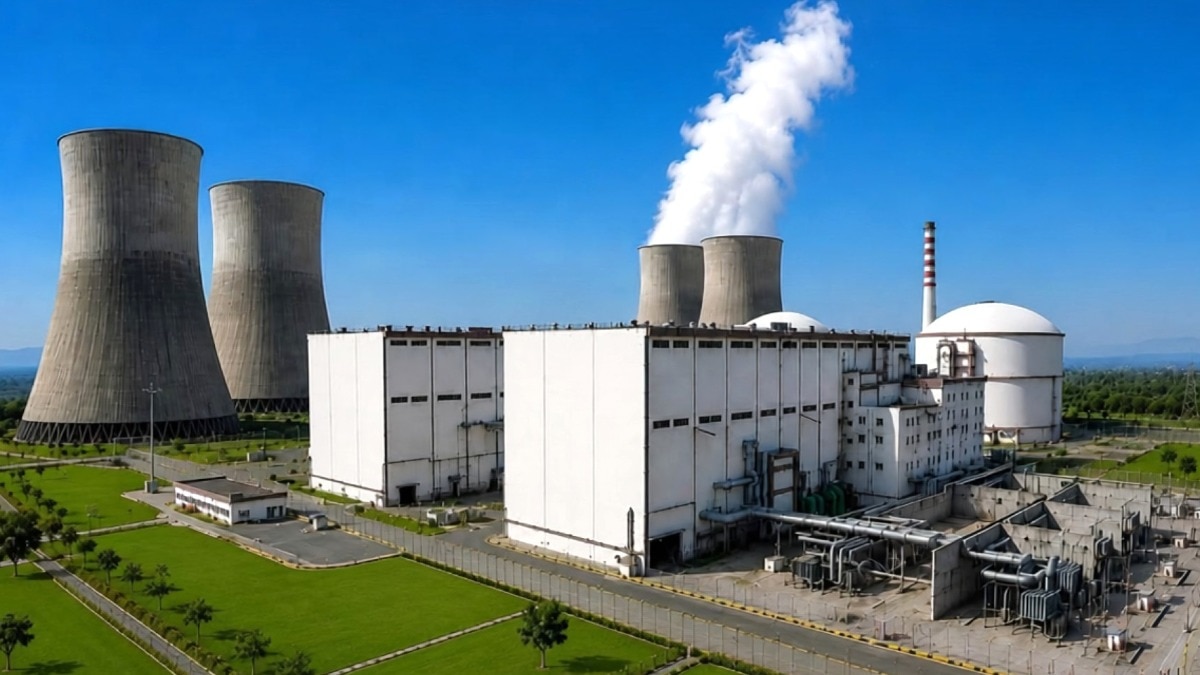
The Nuclear Power Corporation of India Limited (NPCIL) has achieved a major milestone in India’s indigenous nuclear power programme with initial fuel loading beginning at RAPP-8, a 700 MWe Pressurised Heavy Water Reactor (PHWR) at Rawatbhata in Rajasthan.
The milestone marks an important step towards commissioning the reactor and expanding India’s fleet of domestically designed nuclear power plants.
RAPP-8 is the fourth reactor in a series of 16 indigenous 700 MWe PHWRs being established across the country.
The 700 MWe PHWR design is part of India’s effort to standardise reactor technology and deploy it in a fleet-mode approach, allowing multiple reactors based on the same design to be built and operated.
According to NPCIL, the initial fuel loading was undertaken in accordance with applicable regulatory requirements. The completion of this stage strengthens the standardisation of the 700 MWe PHWR design and supports its continued deployment across India.RAPP-8 is the 4th reactor in the series of 16 indigenous 700 MWe PHWRs being set up across the country. The milestone, achieved with adherence to regulatory stipulations, strengthens standardisation of 700 MWe PHWR design and supports its continued deployment in fleet mode. 2/3 pic.twitter.com/tdZjE3H6gC— DAE India (@DAEIndia) September 20, 2026
The reactors use India's established PHWR technology, which has been developed domestically over several decades. The 700 MWe design represents a significant scale-up from India's earlier 220 MWe and 540 MWe PHWRs.
RAPP-8 is being developed alongside RAPP-7 at the Rawatbhata site. The two reactors form part of India's broader programme to expand nuclear generation capacity using standardised indigenous reactor designs.
The government has increasingly identified nuclear energy as an important component of India's long-term energy strategy, particularly as the country seeks to meet rising electricity demand while reducing dependence on fossil fuels.
Nuclear power provides continuous electricity generation and does not produce carbon dioxide emissions during electricity generation. It is therefore expected to complement renewable sources such as solar and wind, whose generation varies with weather and time of day.
The start of initial fuel loading does not mean that RAPP-8 has begun commercial electricity generation. The reactor must undergo several additional stages, including commissioning, testing and regulatory clearances, before it can enter commercial operation.
The milestone nevertheless represents another step in India's effort to build a larger domestic nuclear fleet.
With 16 indigenous 700 MWe PHWRs planned, the programme is aimed at creating a standardised reactor fleet that can be replicated more efficiently at multiple locations.
As India targets greater energy security and a larger share of low-carbon electricity, projects such as RAPP-8 are expected to play an increasingly important role in the country's long-term nuclear expansion plans.- EndsPublished By: Sibu Kumar TripathiPublished On: Sep 20, 2026 22:20 IST