Japan adapts to a new era of warfare

Japan adapts to a new era of warfare The conflicts in Ukraine and the Middle East have shown how rapidly warfare is changing. Low-cost drones are being used to overwhelm even advanced militaries.Japan's leaders know they have to catch up fast. In an unprecedented move, the Defense Ministry launched a fast-track program to acquire interceptor drones, moving from public proposals to a production contract in less than three months.But as the country moves ahead, it faces questions about how to secure critical components, establish sufficient production capacity and define the role drones should play in the country's defense.
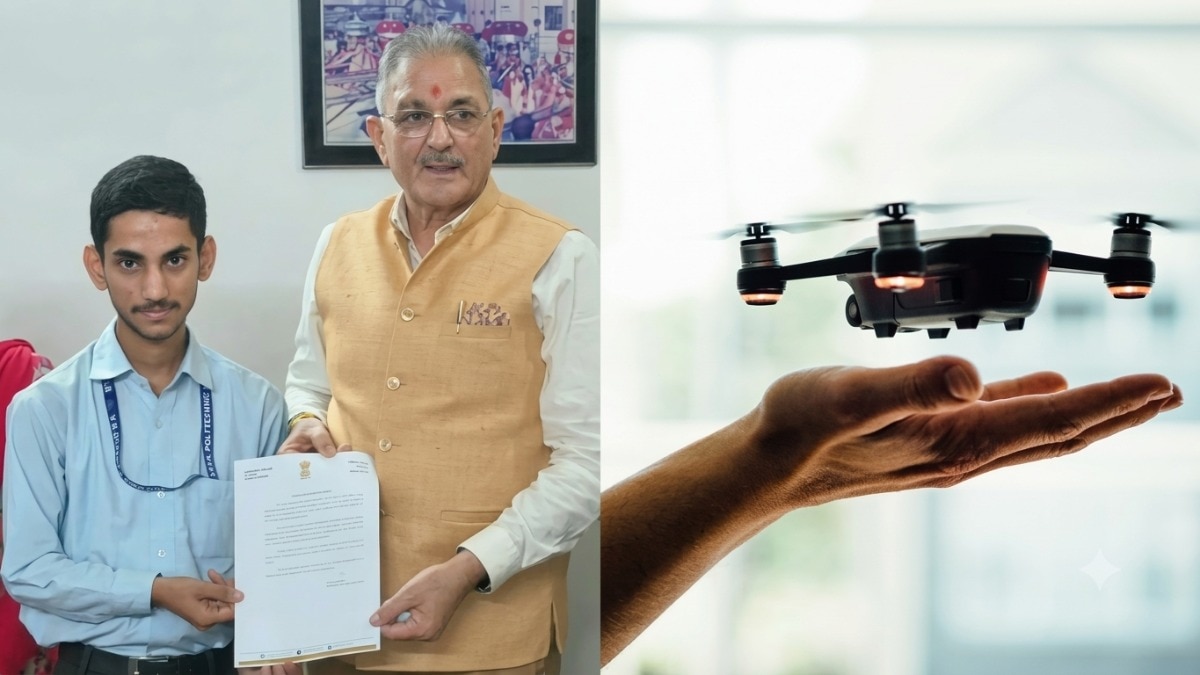
In June, Defense Minister Koizumi Shinjiro made a surprise social media post asking companies across Japan to submit proposals for interceptor drones.Defense procurement is normally an opaque process, so the public appeal was highly unusual.Koizumi said new forms of warfare involving the large-scale deployment of unmanned aircraft were already being seen around the world. Japan, he added, needed to develop new ways of defending itself."We must be able to respond efficiently to threats from the air by making use of relatively low-cost interception capabilities," Koizumi said.
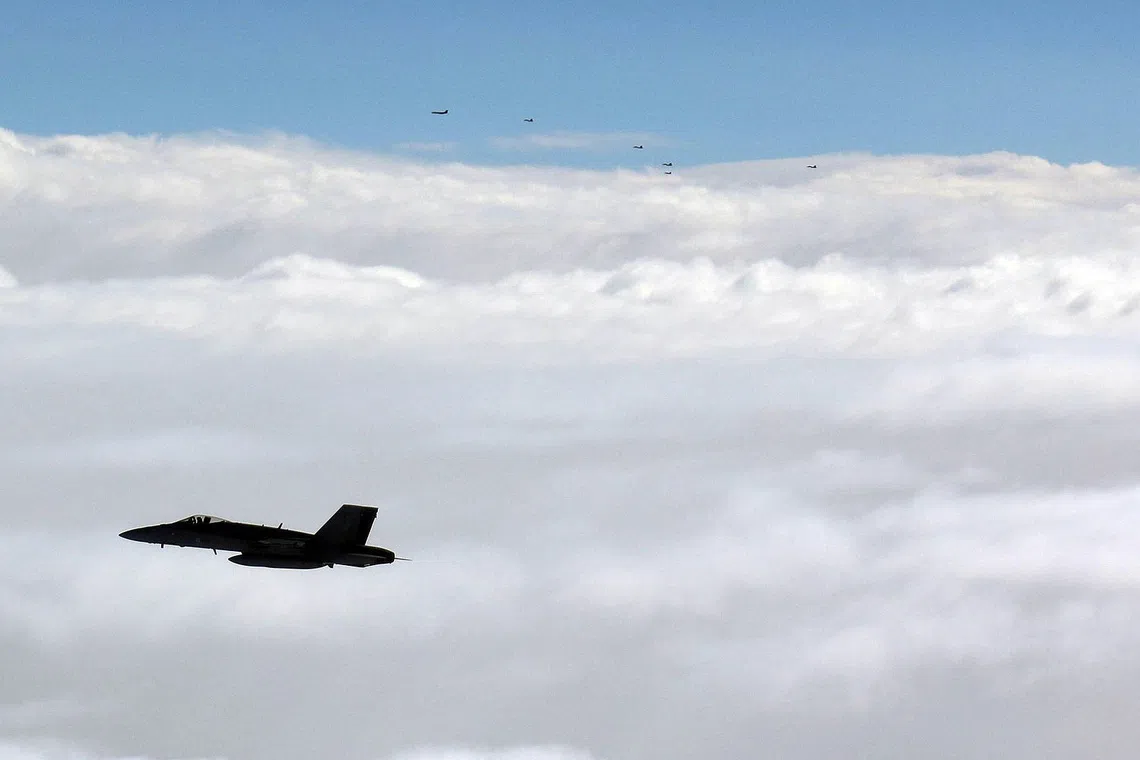
This new form of warfare is on full display in Ukraine.Russia and Ukraine are launching thousands of drones each month, with Moscow striking Ukrainian cities and infrastructure. Kyiv is responding with drones of its own.Recent fighting in the Middle East has exposed another challenge. Gulf states relied heavily on costly interceptors, including Patriot missiles, to shoot down cheap drones.For Japan, the threat from drones is no distant concern.North Korea is believed to be strengthening its drone development efforts. China has also been stepping up military drone activities around Japan, and Japan's Air Self-Defense Force has scrambled fighter jets in response on multiple occasions.
Thirty-eight companies responded to Koizumi's call. After testing four shortlisted systems, the government awarded the sole mass-procurement contract to Tokyo-based Terra Drone.The company previously focused mainly on drone-based surveying and infrastructure inspections, but entered the defense business earlier this year.
To speed up development, Terra Drone partnered with two Ukrainian drone makers that draw on lessons learned from the ongoing conflict.In April, the company said that it had successfully intercepted a munition similar to an Iranian Shahed-type attack drone for the first time.
Terra Drone CEO Tokushige Toru says one of the most important lessons from Ukraine is how quickly manufacturers use feedback from the battlefield to improve their products. "It may not be 100 percent perfect, but it's flying in combat again the next day. They then study how it performed and make further improvements. The pace of development is incredibly fast," he added.
The partnership has helped Terra Drone move quickly. But securing the supply chain for components is proving a major hurdle.The company sources many key parts from Taiwan. But in the event of a regional crisis, those supplies could be cut off. Terra Drone says Japan urgently needs to produce more critical parts at home."I don't think everything has to be made in Japan," Tokushige said. "But if a contingency involving Taiwan is the scenario most directly relevant to us, then Taiwan would almost certainly be blockaded. That's why we need to have sourcing options outside Taiwan as well."
Furthermore, experts say that turning drones into a viable part of Japan's defense capabilities will require more than simply securing critical components. Japan will also need the capacity to manufacture drones on a large scale."When it comes to drones, Japan is clearly lagging far behind," said Ogi Hirohito, a senior research fellow at the Institute of Geoeconomics.Throughout most of the postwar period, Japan has maintained an exclusively defense-oriented policy. It has invested mainly in high-tech aircraft and missile systems, often procured in relatively small numbers.
Ogi says drones are expendable and may be needed in far greater quantities in the event of a conflict."In a contingency, the country would need the capacity to produce drones on a massive scale," he said.He argues that a key challenge will be how to sustain that same production base in non-emergency times. "Japan needs to consider how to expand overall demand during peacetime, including through exports," Ogi said. That would require companies to invest in personnel and production facilities before an emergency occurs.Jimbo Ken, a professor at Keio University, says greater certainty about future government demand is essential. "The government needs to provide a multi-year procurement outlook and establish a continuing cycle of testing, improvement and mass production," Jimbo said."Without such a framework, companies will not be able to invest in personnel and factories."
Yet strengthening these capabilities raises a different question. Can military preparedness alone make Japan more secure?A more resilient supply chain and greater production capacity could help Japan defend against an attack. But if neighboring countries perceive the buildup as a threat, they may expand their own forces in response.More weapons do not necessarily mean greater security. This dynamic is known as the security dilemma.
Yanagisawa Kyoji, a former senior Japanese defense official, says the government places too much emphasis on strengthening military capabilities as a means of deterrence.Yanagisawa said avoiding conflict also requires diplomacy that seeks to address the factors that could lead another country to war and keeps channels of communication open, even when the two sides disagree.
Japan's postwar defense policy is at a major turning point. The challenge is to adapt to a changing security environment without losing sight of diplomacy or the principles that have long shaped the country's defense posture."I do not reject the need to keep pace with advances in military technology," Yanagisawa said."But that also means acquiring greater destructive power. All the more reason, then, to maintain a proper balance between diplomacy and defense capabilities so that the outcome is not war," he added.