
Joe Rogan shares Lindsay Clancy theory: "Terrifying" - Newsweek
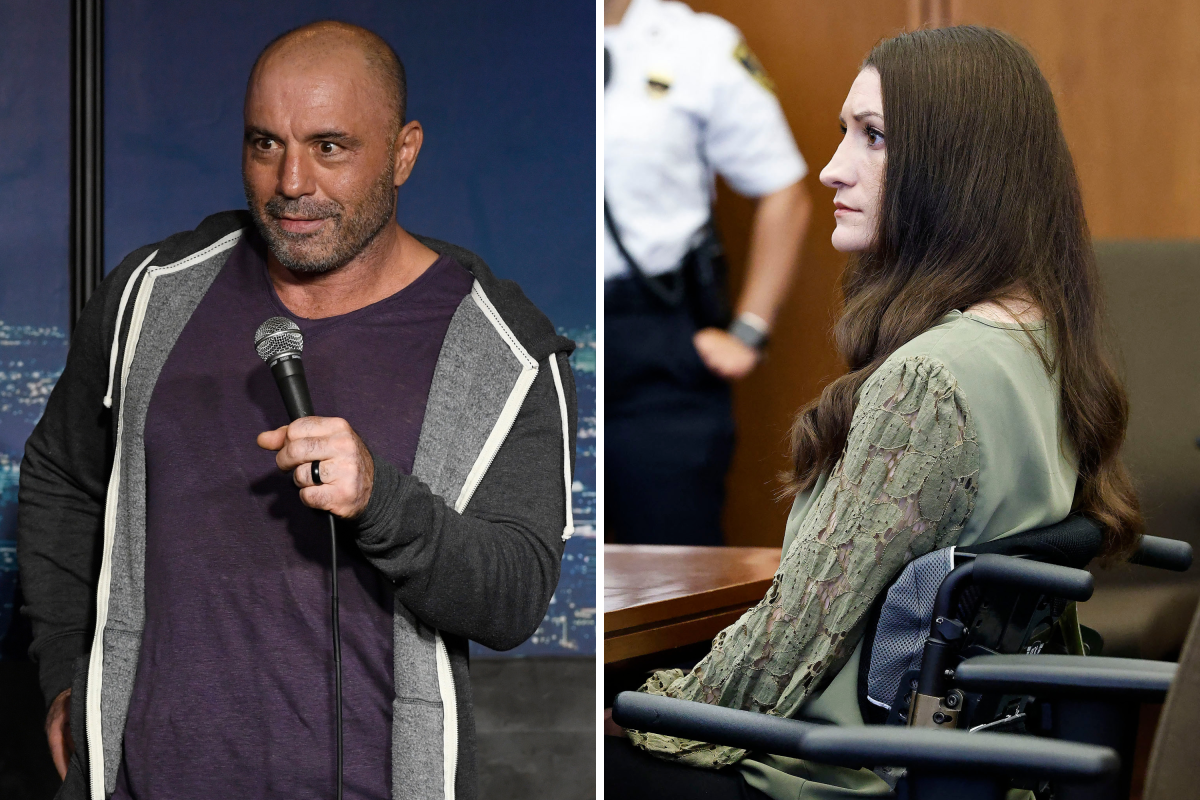
Podcast host Joe Rogan suggested on a recent episode of his show that public support surrounding Lindsay Clancy, the Massachusetts mother accused of killing her three children, appears to be a psychological operation or "psyop."
His comments add a new layer to the ongoing public debate over one of the most divisive criminal cases in recent years. Newsweek reached out to Rogan's representative via email for comment.
Clancy, a former labor and delivery nurse, was charged with murdering her three children—Cora, 5, Dawson, 3, and 8-month-old Callan—at the family's Duxbury, Massachusetts, home in January 2023. She has pleaded not guilty, and her defense has argued she was suffering from severe postpartum mental illness at the time.
The case has drawn national attention and sparked debate over postpartum psychosis, criminal responsibility, and the healthcare system's handling of mental illness. In September, Clancy's trial ended in a mistrial after jurors were unable to reach a unanimous verdict. Judge William Sullivan scheduled a September 29 hearing where the defense is expected to seek a finding of not guilty, while prosecutors weigh whether to retry the case or pursue other legal avenues.
Speaking on The Joe Rogan Experience, Rogan said during Thursday's episode that he believes the backing for Clancy is unlikely to have developed naturally.
"This is a psyop," he said. "If it's not a psyop, I'm disappointed in our government. That Lindsay Clancy thing has to be a psyop."
Rogan clarified that he was not suggesting every participant knowingly took part in a coordinated effort, but rather that influential figures could steer a movement by organizing motivated individuals around a shared cause.
A central part of Rogan's argument was that an organic movement would be more alarming than one influenced from the outside.
According to Rogan, if no external force helped shape the support that Clancy has received, it would suggest that people are increasingly capable of creating and amplifying such movements on their own.
"It's even more terrifying to me if that's not true," he said. "If it's actual organic...that means the government, they can step back. Because we're doing the work for them."
Rogan's remarks came against the backdrop of a highly visible support movement that emerged during Clancy's trial. In August, hundreds of supporters gathered outside Plymouth Superior Court wearing pink clothing with messages such as "Maternal Mental Health Matters" and "She Needed Help." Many attendees said they identified with Clancy's struggles and wanted to raise awareness about postpartum mental illness and what they view as shortcomings in women's mental health care.
Meanwhile, a GoFundMe fundraiser established for Clancy's parents has raised over $1 million. Organizer Brandee Mulligan wrote that the couple is "drawing down savings they spent a lifetime building" while standing by their daughter. Clancy's parents are the direct beneficiaries who will control how the money is used, the organizer added.
The movement extended far beyond the courthouse. Supporters closely followed the livestreamed trial, organized online communities and argued that Clancy's actions should be viewed through the lens of severe postpartum mental illness. Defense attorney Kevin Reddington has maintained that Clancy repeatedly sought psychiatric help before the deaths and was suffering from postpartum psychosis and bipolar disorder, while prosecutors argued that the killings were planned and that she should be held criminally responsible.
Jamie Rosen, a New York mental‑health attorney at Meister Seelig & Schuster, previously told Newsweek that postpartum psychosis remains widely misunderstood. Many women fear that acknowledging frightening symptoms will lead to child‑protective involvement or social condemnation. That stigma, she said, "prevents families from seeking help early" and keeps warning signs siloed among relatives, clinicians, and crisis responders.
Rogan framed his comments as a reflection on public behavior rather than a detailed assessment of the criminal case.
He argued that widespread online organizing and collective action can emerge from extreme viewpoints, suggesting that modern communication networks allow controversial ideas to spread rapidly without the need for formal coordination.
His remarks centered on what he sees as a larger cultural issue: the possibility that ordinary people can drive divisive movements without outside direction.
Contact Newsweek editors for this story: Ben Kelly and Anthony Murray.

