KZN tourism depends on clean beaches, reliable services and municipal delivery - IOL
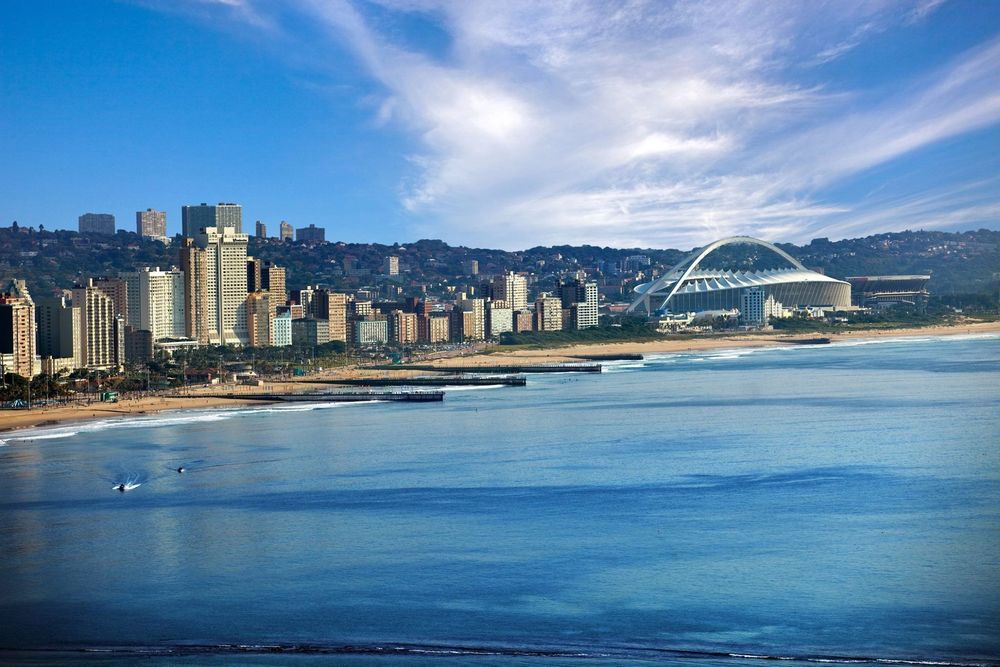
Tourism is a vital part of KwaZulu-Natal and Durban's economy, but keeping visitors coming will require clean beaches, reliable municipal services and more than election promises.
Tick-tock, tick-tock. The clock is counting down to the start of KwaZulu-Natal’s (KZN’s) summer tourism season. Soon, visitors will be treated to the warm Indian Ocean lapping against the shores of some of the country’s most scenic beaches.
Inland, about 200km of the uKhahlamba-Drakensberg escarpment culminates in Mafadi, the province’s highest peak at roughly 3,450 metres. Between coast and mountains lies a landscape rich in culture, nature reserves and year-round outdoor activities.
Another date is looming. Tick-tock, tick-tock. On November 4, voters will head to the polls in municipal elections that will determine who governs KZN’s towns and cities. Those choices will also affect the services on which one of the province’s economic lifelines depends: tourism.
Tourism is already in KZN’s plans and, increasingly, in election promises. But plans and promises are one thing. Can municipalities keep beaches clean, public spaces welcoming and visitors interested in staying beyond the summer rush?
Cape Town shows both the rewards and the challenges of building a strong visitor economy. According to Cape Town Tourism’s 2025 Economic Value of Tourism report, visitors spent R24.5 billion in the city in 2025, with international visitors accounting for R19 billion. Tourism supported more than 106,000 jobs. Yet domestic visitor spending fell from R8 billion to R5.5 billion, as South Africans stayed for fewer nights and spent less.
Cape Town Tourism has responded with a campaign aimed specifically at domestic travellers, promoting experiences suited to different budgets. That is a more useful lesson for KZN than Cape Town’s broader pitch to international investors: identify the visitors you want to reach, then give them a reason to come and a reason to stay.
Dear candidates for KZN’s municipal councils, are you listening?
Professor Elmarie Slabbert, director of Tourism Research in Economics, Environs and Societies (TREES) at North-West University (NWU), sees an opportunity for KZN to attract more domestic visitors from other provinces.
She says the province already draws many visitors from within KZN, but they tend to stay for shorter periods and spend less. International visitors are fewer in number, yet generally stay longer and spend more. Both markets matter. “One should, however, be careful not to focus too much on the international market that you lose traction in the local market,” she says.
Attracting visitors from elsewhere in South Africa would require targeted marketing, appealing travel packages and careful pricing. It would also mean promoting the province’s wider range of experiences. “KZN offers more than sand and sea,” Slabbert says, pointing to its history, nature, safaris, food and marine tourism.
She suggests a year-round calendar showing visitors what they can experience in each season. That could encourage longer stays and draw travellers beyond the familiar beach destinations. “Their aim should be to build destination confidence, increase the length of stay for local visitors and their spending, and improve the geographical spread,” she says.
Now, from the province as a whole to its largest city. Durban has a visitor marketing strategy intended to attract travellers in both peak and quieter periods and increase their length of stay. There is momentum to build on: eThekwini Mayor Cyril Xaba reported preliminary figures of nearly 1.2 million visitors for the 2025/26 festive season, up from 998,000 the year before.
But promoting a destination is only half the job. Professor Peet van der Merwe, also of TREES, says a clean-up of Durban is essential. He raises concerns about safety and the quality of the water at its beaches. Ageing sanitation infrastructure and sewage spills threaten the appeal of a coastline that has long been one of the city’s biggest selling points.
That does not mean every Durban beach is unsafe. In the municipality’s September 23 update, most monitored beaches were open for swimming, while Reunion Beach remained closed. The underlying infrastructure problem is harder to dismiss: the national Green Drop assessment scored eThekwini’s wastewater systems at 31% for 2023/24. In August, a municipal official estimated that refurbishing its wastewater treatment works would cost R4.6 billion.
The election brings these choices into focus. The Inkatha Freedom Party’s 2026 manifesto launch included a commitment to promote local tourism and heritage. The Democratic Alliance has pledged to prioritise Durban’s water network and wastewater systems. These are relevant promises. The question for every party seeking municipal power is how it will pay for improvements, deliver them and show residents and tourism businesses that conditions are getting better.
KZN has 12 fully accredited Blue Flag beaches for the 2025/26 season and tourism offerings that reach far beyond them. Its potential is undeniable. Keeping that promise will require clean, reliable services alongside clever marketing.
Tick-tock, tick-tock. Are the right people listening?
Bertie Jacobs is an award-winning journalist and writer who currently works as a communication specialist at the North-West University (NWU). He holds an honours degree in journalism from the NWU and has extensive experience in journalism, media communication and translating research into accessible public-interest stories. His fields of interest include higher education, the energy transition, climate change, disaster risk, geopolitics and the relationship between science, public policy and society.
** The views expressed do not necessarily reflect the views of IOL or post.co.za