
LA Olympics less than two years away, Abhinav Bindra calls for urgent action
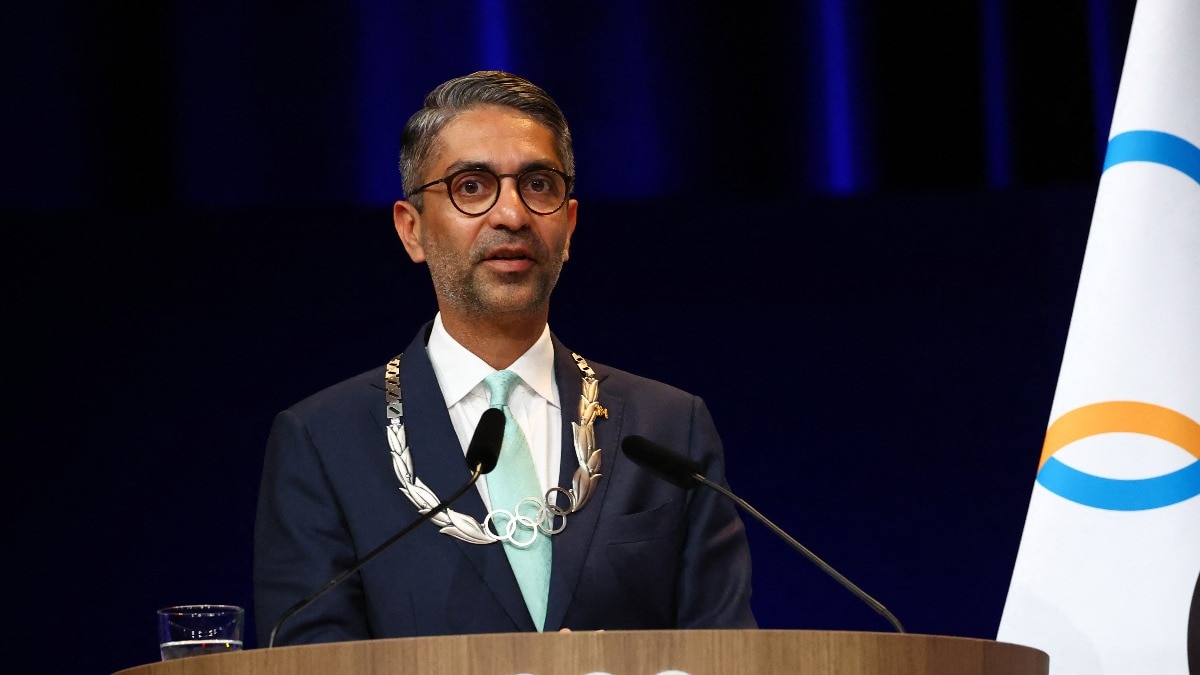
Olympic champion Abhinav Bindra has called for a sharper and more long-term approach to India's high-performance programme after the country's Asian Games campaign, warning that the road to the 2028 Los Angeles Olympics is already well underway.
India ended the Aichi-Nagoya Asian Games with 85 medals, including 21 gold, 27 silver and 37 bronze, finishing fourth on the overall medal table. While there were several breakthrough performances from India's younger athletes, the final tally fell short of the 106 medals won at the previous edition in Hangzhou.
For Bindra, the focus now should not simply be on the medal count but on what Indian sport can learn from the campaign and how quickly those lessons are converted into action.
The Beijing 2008 Olympic gold medallist said India's high-performance system needs to identify problems much earlier in an athlete's career instead of stepping in only when a potential medallist is already approaching a major Games.
"High performance cannot only be about reacting when an athlete is close to a medal. We have to keep building systems that understand the athlete over several years," Bindra said in a post on X.
His comments come at an important stage of India's Olympic cycle, with the Los Angeles Games less than two years away. Bindra stressed that the athletes expected to challenge for medals in LA are already deep into their preparations and that there is little room for complacency.
"In Olympic sport that is not a long time. The athletes who will stand on the podium there are already deep into their preparation today," he said.
Bindra's larger message was about creating an environment in which athletes receive the right support throughout their careers. He highlighted the need for better use of sports science and data, effective competition planning, careful management of training loads and recovery, and greater attention to injury prevention.
He also underlined the importance of mental and physical resilience, particularly as athletes move towards the biggest stage of their careers.
"The right expertise has to reach the athlete at the right stage of their career, not when it is already too late," he said.
Despite the shortcomings, Bindra praised India's athletes for their efforts in Nagoya and pointed to the emergence of a new generation. He also acknowledged the role played by families, coaches, support staff, federations, the Sports Authority of India and the government in supporting athletes through the demanding build-up to a major multi-sport event.
"There have been some terrific breakthrough performances at these Games. Young athletes have announced themselves, others have stepped up to a new level and there have been moments that give us a lot to be excited about," Bindra said.
China once again dominated the Asian Games medal table, while Japan and South Korea finished second and third respectively. India remained fourth but now face the task of translating the experience in Nagoya into progress on the Olympic stage.
For Bindra, that process needs to begin immediately.
"This is the moment to celebrate what went well, be honest about what did not and get back to work with urgency and purpose," he said.- Ends

