
Maine’s famous red hot dogs have ditched the dyes and are being colored by crushed bugs instead
Want to bookmark your favourite articles and stories to read or reference later? Start your Independent Membership today.
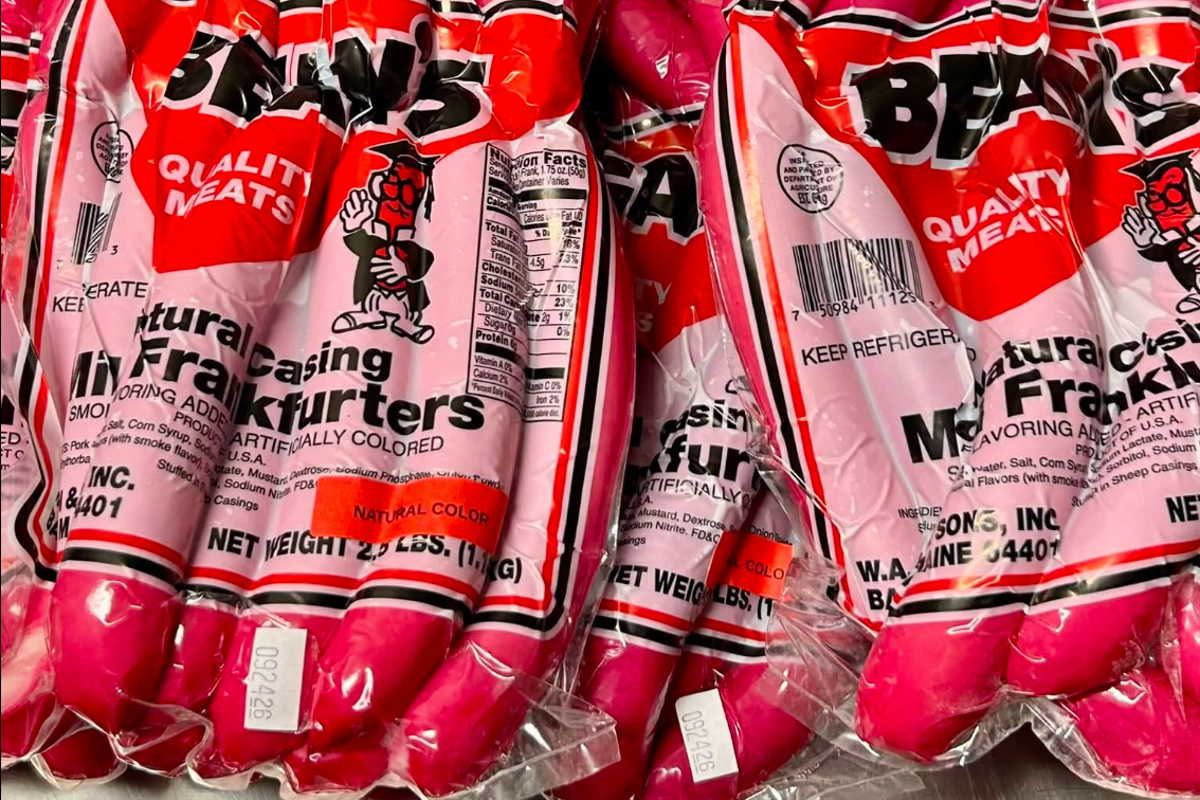
Maine has an iconic hot dog — a fiery red frank known as a "red snapper" — and the source its eye-catching color is soon to change.
W.A. Bean, the Bangor, Maine-based hot dog company that produces the snappers, is abandoning the Red Dye 3 food dye it used in its franks and replacing it with carmine extract.
The extract is made from dried and pulverized cochineal insects, and it is frequently used to add color to food items like yogurt, candy, jams, and a variety of snack foods, according to Boston.com.
While the source of the dye may leave some fans bugging out, W.A. Bean says the move to a natural source for the color is the latest step in the brand's evolution.
“By making the switch to a natural red color, we’re continuing to evolve our products while staying true to the tradition, quality and integrity that have defined our family business for more than six generations,” the company said in a press release Tuesday. “The Maine Red Snapper is more than a hot dog—it’s a piece of Maine’s food heritage.”
The company told Boston.com that it tested "too many [alternatives] to even name" when looking for a replacement for Red Dye 3, and determined that carmine extract was the best solution.
“There’s no difference to the snap…[or] to the taste,” Sean Smith, the director of sales at W.A. Bean, told Boston.com.
The FDA announced in January 2025 that food and drink manufacturers needed to discontinue the use of Red Dye 3 by January 15, 2027. The move is part of a broader push by Health and Human Services Secretary Robert F. Kennedy Jr. to eliminate artificial products from the American food supply.
W.A. Bean said it began looking into alternatives years before the mandate came down, citing a desire to use more natural ingredients in its iconic hot dogs.
Now that the dye has been replaced, company officials said they "feel a little bit better” about the product, even if the carmine extract is more expensive than Red Dye 3.
Smith told Boston.com that even though the extract costs more, the company is not anticipating any price changes coming to the hot dog "as of right now."

