
Making of the Gen Z captain Shubman Gill - The Indian Express
In his retreat to the dugout after a lengthy shift in the nets, Shubman Gill hears a scream that echoes in the arena and stops him. He turns back to see spin bowling coach Sairaj Bahutule, who wants a word with him. No sooner than the chats, Yashasvi Jaiswal ambles to him, padded up, and wants him to watch him for a few minutes. Gill obliges, patiently watches him and flashes a thumbs up. Ambles in head coach Gautam Gambhir; he wants him to have a pitch-peep.
It’s at least half an hour before Gill resumes his dugout trudge. Briskly, he unfastens his pads and gear, wipes the sweat off his brows and strides again to survey the nets. His days and nets, since becoming the captain in Tests and ODIs, have been markedly busier than those days when he was merely a batsman. He has to be in the game — and the nets — all the time. But Gill is not fussy, rather he has quietly worn the weight of variegated responsibilities.
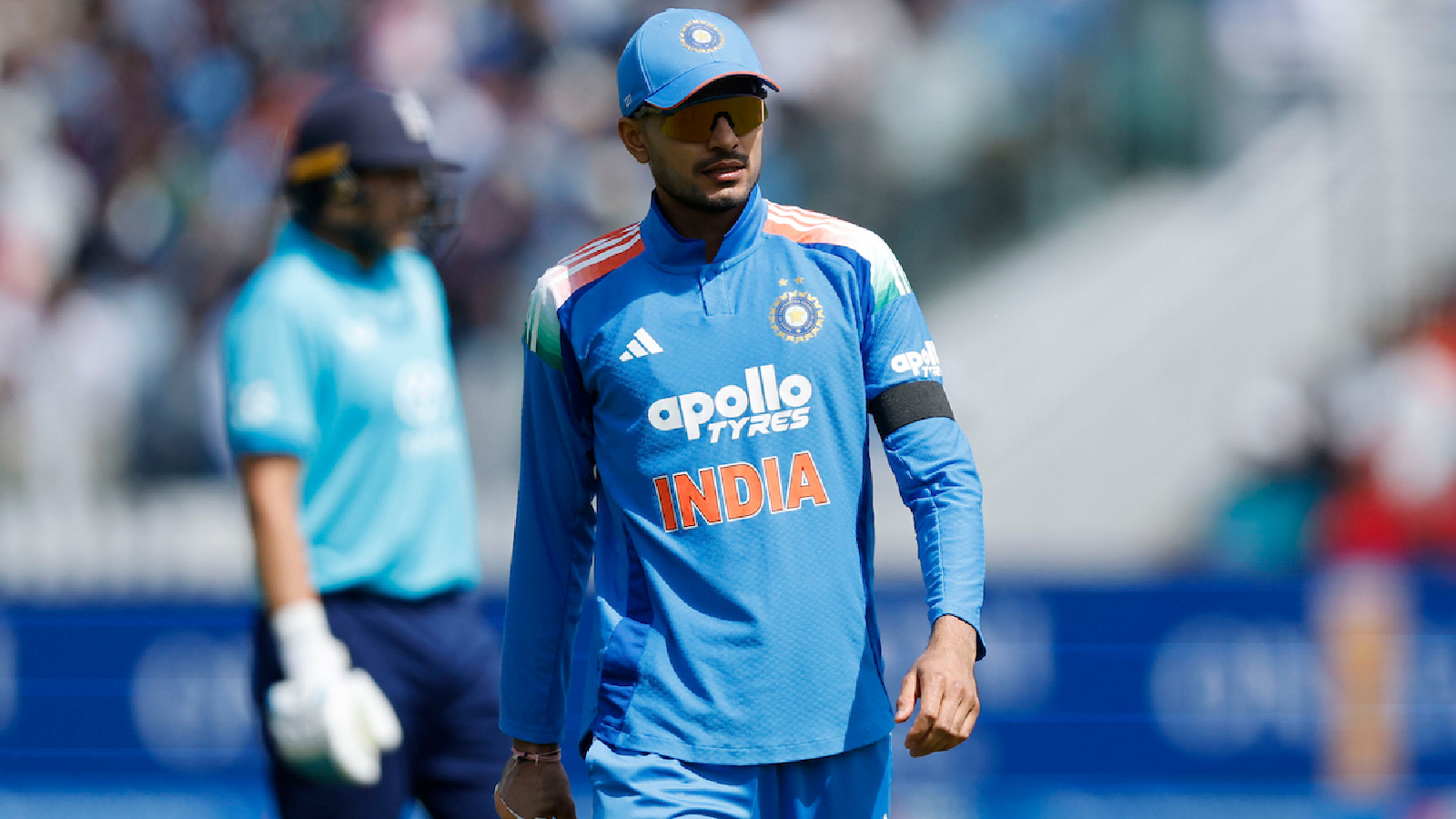
Here is a paradox, too. Gill walks like any other cricketer on the field, without a smouldering ego, without the sudden urgency that the sight of a captain instigates in his troops, without the artificial seriousness of an old-school captain, his demeanour and personality unaltered by captaincy. Maybe it’s the Gen Z vibe — and he is India’s first of them. Maybe, he still feels like a cadet among the generals. It’s no more evident than when he plays in an ODI game.
Legends of the game lurk around him. Two of them — Rohit Sharma and Virat Kohli — are arguably the finest ever captains of their country. Ravindra Jadeja has featured in nearly thrice as many games as he had. KL Rahul and Kuldeep Yadav made their debut half a decade before he had. Weave in Hardik Pandya and Jasprit Bumrah, he could feel genuinely overawed when he steps onto the dressing room, or when he marshals them on the field.
Yet, their aura doesn’t crush him. He draws his line in the sand. He seeks opinions and suggestions, but the decisions are his. He stands by them, not defiantly but firmly. Like he defended his decision to enforce follow-on, not emotionally or staunchly, but with a cold-eyed conviction. He readily admits his mistakes, sometimes shoulders the responsibility of a collective failure on himself, as he did during the ODI defeats in England. With the microphone in hand in the press conference, he talks all that is necessary. Words chosen with such judiciousness that those would not be misconstrued. He doesn’t drag or meander. He doesn’t lay the charm offensive, or deviate from awkward topics with wit or humour. He is matter-of-fact, un-intimate, yet he is not detached.
Slowly, he is spinning the Gill brand of leadership. The essence is hard to define in words, but brings the Gen Z characteristics of being intense without looking stern, aggressive without being belligerent, composed without seeming laid-back, assertive but not overbearing. It’s equally important to not perceive him, both his tactics and persona, through the moulds of his predecessors.
He would not micromanage like MS Dhoni would; he would not wear his heart on the sleeve like Kohli would; he wouldn’t exude the unreal cool of Rohit. He would rather be himself, or to put in his own words, “take the best out of every captain he has played under.” “You can take qualities from Rohit bhai or even Mahi (MS Dhoni) bhai, Virat (Kohli) bhai, Hardik (Pandya) bhai, all of them,” he had once said. Since he has played most of his career under Rohit, some of the latter’s affinities could subconsciously enter his style
He is not obsessed with building a distinct style of captain either. “The more you play, the more experience you get. I think your personal style is more visible to the people,” he said last year. Or rather, he lets the world judge him they want him, and not the way he wants them to. He has flaws, like all captains have at all stages of their careers. He would blunder and slip-up, but that’s part of growth.
But it is easy to forget in the onslaught of fixtures that he is still a nascent captain, he is not as well-worn a cricketer as some of his predecessors when he became the leader. He is not an accidental captain, but a “project captain”, where someone is groomed into a captain. Then, great players often have captaincy forced upon them at some point in their career, whatever their leadership qualities .
Judgments on him, especially in the ODIs, should take into consideration the milieu where it is barely played. Gill was only 55-games-old when he was assigned the responsibility. In contrast, Kohli had 178 ODIs under his belt, when he took over from Dhoni. Rohit’s count was more than 200-plus games. Unlike in their years, bilateral series are running dry, triangular tournaments are non-existent, making it tough to remain grooved into the format. In seven years, Gill logged in only 67 games; Kohli played 64 in 2011 and 2012 combined.
Ironically, Gill’s first true judgement day would be an ODI tournament, the World Cup next year. No result, apart from a title triumph, would be considered a failure. But Gill doesn’t seem to be daunted by the challenges thrown at him. And he is imperceptibly building a world of his own.
Stay updated with the latest sports news across Cricket, Football, Chess, and more. Catch all the action with real-time live cricket score updates and in-depth coverage of ongoing matches.


