Map Shows Where Kratom Is Legal Amid Probe into Ole Miss Student Deaths - Newsweek
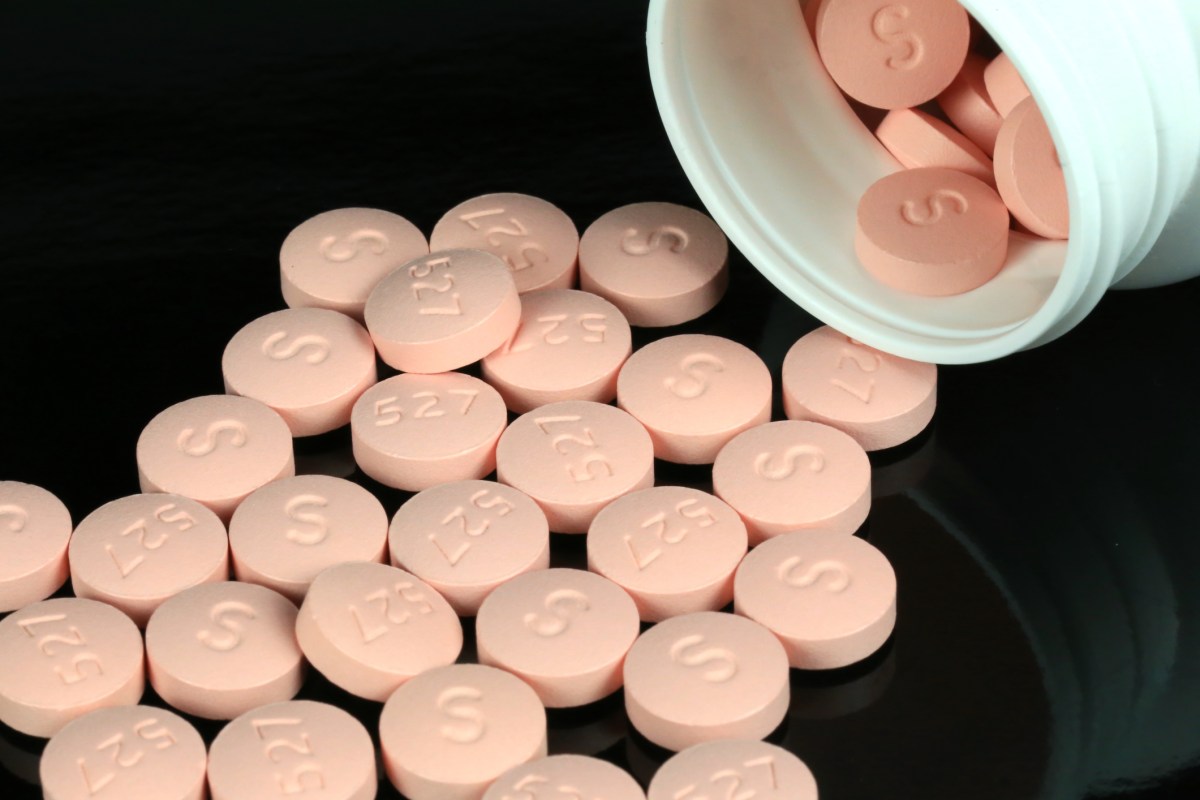
Two University of Mississippi students have been identified as authorities continue investigating their deaths after packaged kratom products were found during separate death investigations.
The findings have renewed attention on kratom's safety and legality as officials stress that investigators have not established any link between the substance and either death.
Students, families and consumers across the U.S. are now watching both the toxicology findings and the shifting legal landscape surrounding kratom, which remains legal in most states but is banned or heavily restricted in others.
The University of Mississippi on Thursday identified the students as Aidan Hamilton, a freshman from Colorado, and Robert Strang, a junior from Georgia.
Law enforcement agencies have repeatedly cautioned against speculation, emphasizing that the cause of death for either student has not been determined and that the two investigations remain separate.
Authorities have said only that packaged kratom products were recovered during both investigations.
The Oxford Police Department told Newsweek via email that it has nothing to add aside from the statement issued on Tuesday by the Lafayette County Narcotics Division.
Ole Miss officials released the names of Hamilton and Strang after honoring requests from both families to withhold their identities during the early stages of the investigations. University leaders offered condolences and said counselors and support resources remain available to students as the campus mourns.
The deaths have rattled the Oxford campus, where students have reported increased concern about substance use and overdose prevention. Narcan dispensers across campus were reportedly emptied in the days following the incidents, while fraternities and sororities placed black ribbons outside chapter houses in memory of the students.
The deaths occurred following a high-profile football weekend that brought thousands of visitors to Oxford.
Authorities have revealed few details about the circumstances surrounding the deaths. One student was found in Stewart Hall after emergency responders were dispatched to a report of a possible overdose. The second student was found at a separate location in Oxford. Investigators have repeatedly emphasized that there is no confirmed evidence connecting the two deaths.
Just as importantly, investigators have stressed that the presence of kratom products doesn't mean the substance caused or contributed to either death.
Lafayette County Metro Narcotics stated publicly that it has no confirmed information indicating kratom or any other substance was a contributing factor and urged residents to avoid speculation until toxicology results are completed.
Kratom is derived from Mitragyna speciosa, a tree native to Southeast Asia. The substance is sold in powders, capsules, tablets, teas, concentrated extracts and liquid shots. In lower doses, users commonly describe stimulant-like effects, while larger doses may produce sedative effects.
The Food and Drug Administration has long warned consumers about kratom use, and the Drug Enforcement Administration classifies it as a "drug of concern."
Research remains limited, but health officials have warned that kratom may carry risks including dependence, withdrawal symptoms and adverse health effects.
According to the Mayo Clinic and other health authorities, reported side effects include nausea, vomiting, constipation, weight loss, dizziness, confusion, liver problems and elevated blood pressure. More serious cases have been associated with respiratory problems, seizures and severe poisoning events.
Experts also note that not all kratom products are the same. Dr. Scott Hemby, a professor of pharmaceutical sciences at High Point University, has warned that some newer products contain highly concentrated levels of 7-hydroxymitragynine, commonly known as 7-OH.
"Highly concentrated 7-OH products therefore should not simply be thought of as a stronger version of traditional kratom leaf," he told Newsweek. "They represent a markedly different exposure with distinct potential risks, such as opioid-like respiratory depression, tolerance, dependence, and withdrawal."
Growing use among younger adults has also attracted attention. Research from the University of Michigan and Texas State University found kratom use has increased in recent years, with more than 5 million Americans reporting lifetime use. Researchers also found users were more likely to report substance-use and mental-health issues than nonusers.
Kratom remains legal at the federal level, but states have taken sharply different approaches. As of 2026, 11 states fully prohibit kratom:
In those states, possession, manufacture or sale can result in criminal penalties ranging from misdemeanors to felonies.
Tennessee became the newest state to enact a legislative ban after Governor Bill Lee signed the measure known as "Matthew Davenport's Law", named after a 27-year-old who died after mixing Kratom and prescribed medicines. The law took effect on July 1, 2026, making knowing possession a misdemeanor while imposing felony penalties for manufacturing or selling the substance.
Elsewhere, lawmakers have opted for regulation rather than prohibition. More than 30 states have adopted some form of the Kratom Consumer Protection Act, which generally imposes age restrictions, labeling requirements, testing standards and limits on certain concentrated compounds. States including Arizona, Georgia, Kentucky, Nevada, Oklahoma, Oregon, Texas, Utah and Virginia permit kratom sales under regulatory frameworks rather than outright bans.
One of the most notable developments came in Rhode Island, which became the first state to reverse a kratom ban. Effective April 1, 2026, the state moved to a regulated model that permits kratom sales to adults 21 and older while requiring laboratory testing, product labeling and restrictions on synthetic additives.
The legal map could continue shifting. Michigan lawmakers are considering legislation that would move the state into the banned category, while lawmakers in Georgia, South Carolina, Washington and several other states are debating proposals ranging from tighter regulations to outright prohibition.
At the federal level, regulators are reviewing potential restrictions on concentrated 7-OH products, though natural kratom remains unscheduled.
Kratom is generally legal in Mississippi for adults, but Lafayette County adopted a local ban in 2021. Because the University of Mississippi sits within Lafayette County, residents there face local restrictions despite kratom remaining legal elsewhere in much of the state.
Kratom is not officially classified as an opioid under federal law, but the answer is more complicated pharmacologically. The plant's primary active compounds, mitragynine and 7-hydroxymitragynine, interact with many of the same opioid receptors targeted by prescription opioids, heroin and fentanyl.
That receptor activity is one reason health officials and addiction specialists continue to debate kratom's risks and potential therapeutic uses.
Some users report taking kratom to manage chronic pain or ease opioid-withdrawal symptoms, while critics argue the same biological activity creates a potential pathway to dependence.
Medical researchers generally distinguish between traditional botanical kratom and highly concentrated 7-OH products. Experts say concentrated 7-OH formulations may have stronger opioid-like effects and potentially greater risks than conventional kratom powder or leaf products.
The distinction has become increasingly important as federal regulators scrutinize concentrated products.
In 2025, the FDA recommended scheduling certain concentrated 7-OH products, arguing they pose heightened risks to consumers.
If you or someone you know is facing mental and/or substance use disorders, SAMHSA’s National Helpline is a free, confidential, 24/7, 365-day-a-year treatment referral and information service (in English and Spanish) at 1-800-662-HELP (4357).
Newsweek’s reporters and editors used Martyn, our AI assistant, to produce this story. Learn more about Martyn here. Contact Newsweek editors on this story: Samantha Beech and Gray R. Thomas
Update 09/24/26 6:25 p.m. ET: This article has been updated to reflect that 11 states have banned kratom, not eight.