Military claims 7,000 IDPs returned to Borno amid concerns about missing persons - The Guardian Nigeria News
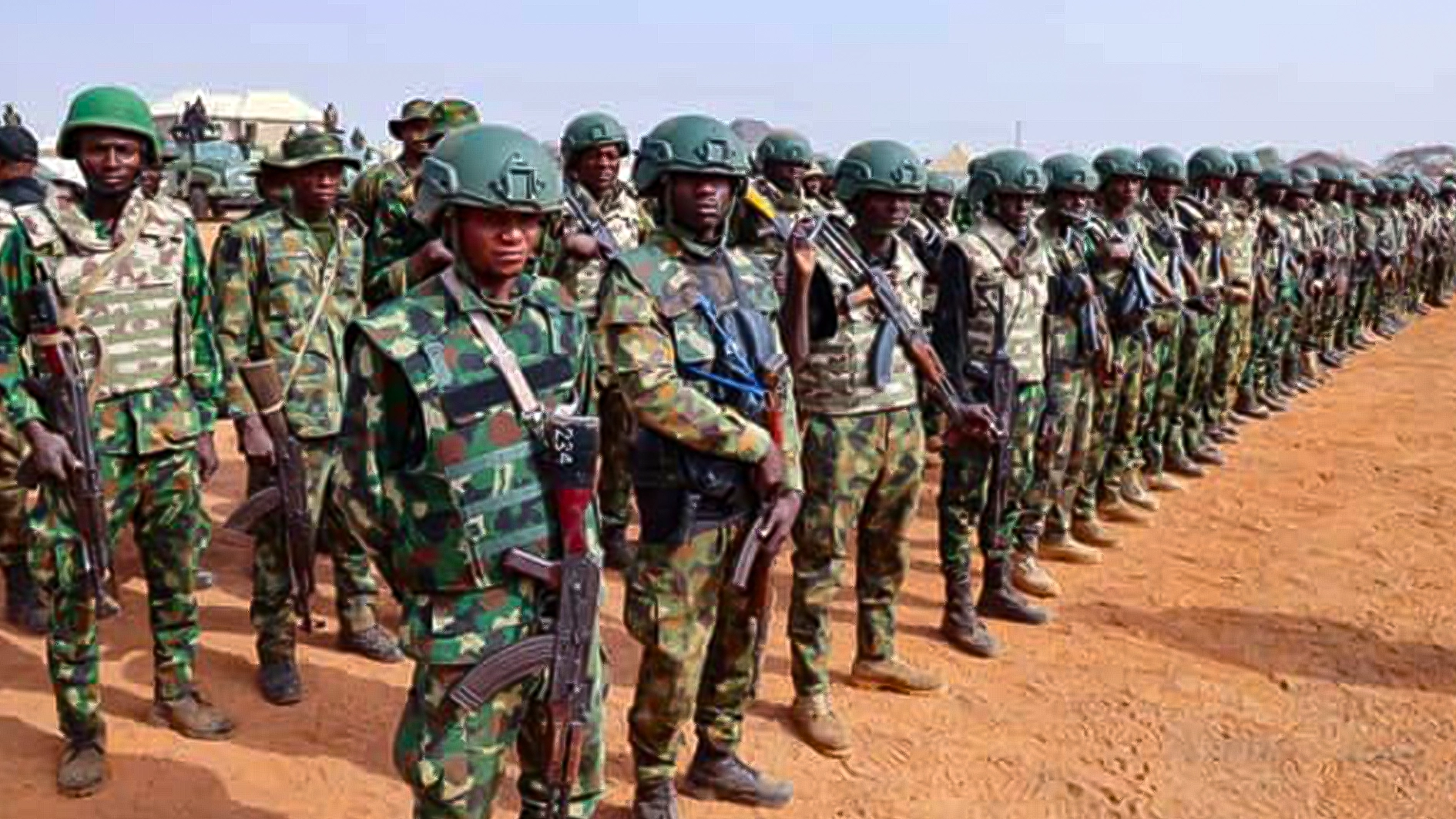
Family separation remains among the most severe consequences of armed conflict in Nigeria, with thousands of families trapped in uncertainty while dealing with the emotional, social and economic consequences of separation, the International Committee of the Red Cross (ICRC) has said.
It disclosed that over 17,000 out of the initial 24,000 remain active cases of missing persons in Nigeria, with the figure revealing other shocking details as families of 7,000 persons became unreachable, therefore making the search for their missing loved ones difficult to follow.
The ICRC revealed these data during a two-day Media Roundtable on Humanitarian Reporting, which was held in Lagos on September 14 and 15, 2026, for journalists drawn from Lagos, Maiduguri, Kano and Abuja.
In the meantime, the outgoing Theatre Commander, Joint Task Force North-East, Operation HADIN KAI (OPHK), Maj-Gen. Abdulsalam Abubakar, has disclosed that no fewer than 7,000 internally displaced persons (IDPs) and refugees have so far returned to their ancestral homes and communities in Borno State in the past year.
Abubakar, who spoke on Wednesday while handing over to Maj-Gen. Ibikunle Ajose at the Maimalari Cantonment in Maiduguri, said the restoration of normalcy remains the primary mandate of OPHK. He added that the reopening of markets, schools and farmlands, as well as the return of the displaced families to their ancestral homes, were key indicators of progress.
However, the forum urged journalists to put victims and affected communities at the centre of conflict and humanitarian reporting, and to keep abreast of International Humanitarian Law (IHL) as key to their efforts in ameliorating the suffering and the hardships faced by the victims of insurgency, militancy and other difficulties in Nigeria.
The ICRC Public Relations Officer, Aliyu Dawobe, explained that the training was meant to highlight humanitarian stories to journalists, and for journalists to have access to more human-related stories in conflict times.
Also speaking, a Mass Communication lecturer at Bayero University, Kano, Dr Bala Muhammad, noted that though human-angle stories are the most important to tell, the Nigerian media makes the perpetrators and their acts the champions of the news.
According to the OPHK, communities that had been abandoned for several years were gradually being reoccupied, with returnee communities recorded in every local council of the state.
He further listed the return of the National Youth Service Corps (NYSC) orientation camp to Maiduguri after over 13 years, the conduct of WAEC and NECO examinations in Banki and Gwoza, and the reopening of trade routes and local markets, among others, as signs of the improving normalcy in the state.
On operational achievements during his tenure, he said troops neutralised 1,106 JAS/ISWAP terrorists between April 2025 and his handover, and recovered 475 assorted weapons, 24,409 rounds of ammunition of various calibres, and detonated 295 improvised explosive devices.
The command also intercepted N340 million linked to terrorist financiers, while 758 logistics collaborators were arrested, he added.