Nigeria leads Sub-Saharan Africa as 29 Varsities make THE 2027 World Rankings - The Guardian Nigeria News
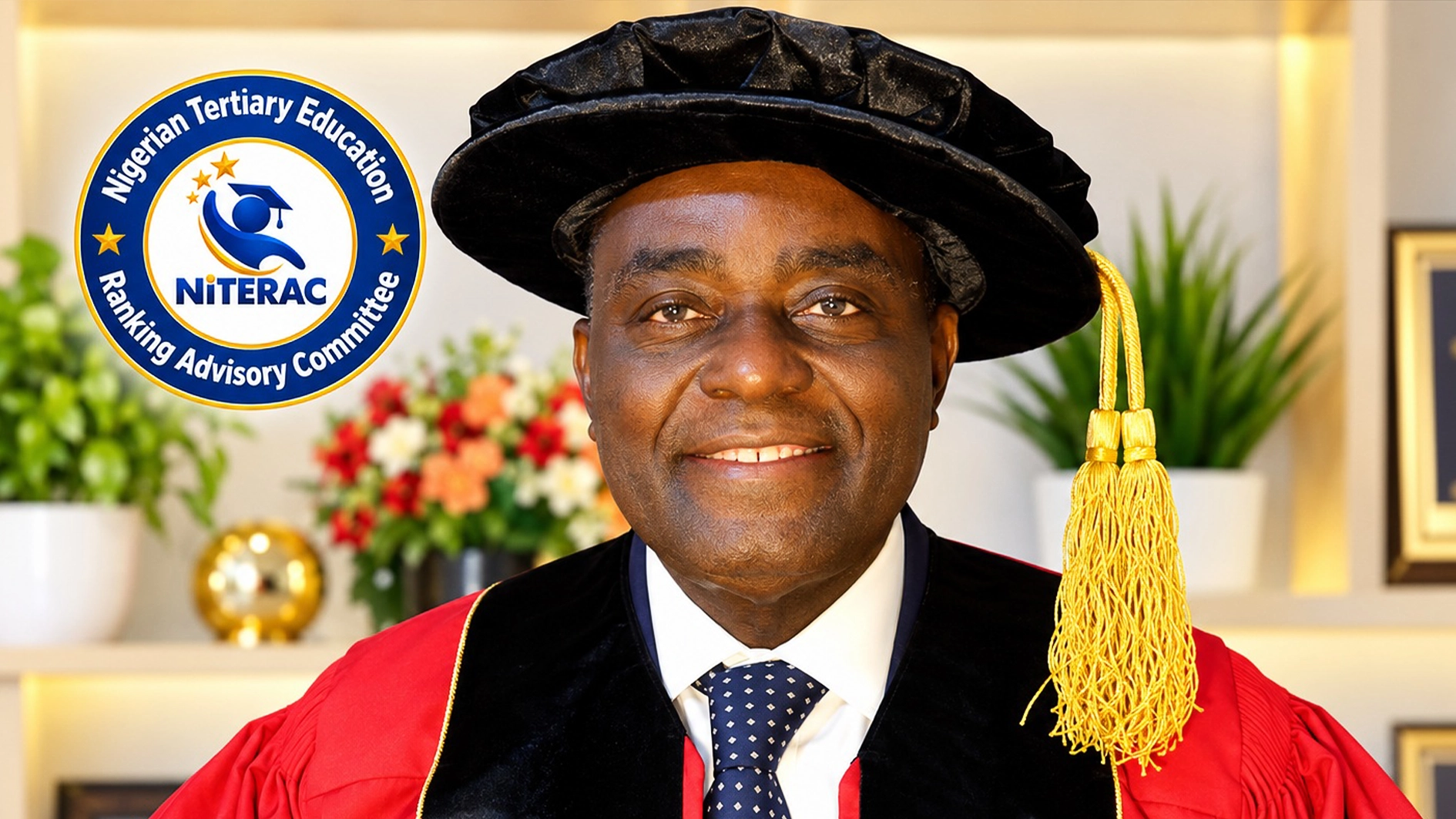
Nigeria has emerged as the most represented country in sub-Saharan Africa in the 2027 Times Higher Education (THE) World University Rankings, with 29 universities ranked, up from 24 in 2026.
The development was contained in a report on the 2027 ranking prepared by Emeritus Professor Peter Okebukola, Chairman, Nigerian Tertiary Education Ranking Advisory Committee (NiTERAC), following the release of the rankings on Wednesday.
Professor Okebukola said the 2027 edition ranked 2,297 universities across 118 countries and territories, compared with 2,191 universities in 2026.
He said Nigeria’s 29 ranked universities represented 42 per cent of the 69 institutions ranked across sub-Saharan Africa, while another 32 Nigerian universities were placed in the Reporter category, bringing the total number of Nigerian institutions engaging with the ranking to 61.
According to Professor Okebukola in a statement made available to news men in Abuja on Wednesday, Covenant University, the University of Ibadan and the University of Lagos jointly occupied the highest Nigerian position, in the 801–1000 global band.
Covenant University improved from the 1001–1200 band in 2026, while the University of Ibadan and University of Lagos retained their positions.
He added that four other Nigerian universities, Ahmadu Bello University, Bayero University, Landmark University and the University of Ilorin, were placed in the 1001–1200 band, bringing the number of Nigerian universities in the global top 1,200 to seven.
Professor Okebukola a former Executive Secretary of the National University Commission,NUC, noted that federal universities continued to anchor Nigeria’s performance in the upper bands.
Five of the seven Nigerian universities in the top 1,200 are federal institutions: the universities of Ibadan, Lagos and Ilorin, Ahmadu Bello University and Bayero University.
He said the number of federal universities in the top 1,200 increased from three in 2026 to five in 2027, while their share of Nigeria’s top-1,200 institutions rose from 60 per cent to 71.4 per cent.
Overall, 19 federal universities, seven state universities and three private universities were ranked in 2027.
Professor Okebukola also reported that Nigeria had the highest number of reporter institutions in sub-Saharan Africa, with 32 universities submitting data but not meeting the requirements for inclusion in the ranked table. Sixteen of the Reporters are private universities, 12 are state-owned and four are federal.
He said the national performance showed that Research Quality was Nigeria’s strongest pillar, with a mean score of 43.3, while Research Environment and Teaching recorded weaker mean scores of 13.9 and 20.6 respectively.
Professor Okebukola identified global academic reputation as the single biggest lever for improving Nigeria’s performance, noting that reputation-related measures account for 33 per cent of the overall ranking score. He also highlighted research income, research productivity and doctoral output as important areas requiring attention.
The report recommended that Nigerian universities strengthen their global academic reputation through international conferences, joint research, visiting professors and stronger engagement with diaspora academics and alumni.
Professor Okebukola, a one time Chairman of Governing Board of the National Open University of Nigeria, NOUN further called for improved research funding and productivity, more accurate institutional data submission, increased doctoral output, deeper international collaboration and mobility, and stronger industry engagement and patenting.
He said the 2027 results provided an important diagnostic tool for Nigeria’s higher education system and would serve as empirical input for the work of NiTERAC.
Professor Okebukola disclosed that NiTERAC had commenced the development of a national ranking for Nigerian universities, polytechnics and colleges of education, with the three rankings expected before December 15, 2026.
He said the national ranking was designed to complement global rankings, stimulate healthy competition among institutions and strengthen areas such as research environment, doctoral output and academic reputation.