No trailer, no pan-India tag: How Nani's The Paradise breaks cinema's usual rules
What if the film you are most curious about is the one you are not allowed to see enough of?
For years, the trailer has been our ticket-buying ritual. We watch it, pause it, replay it, send it to friends and decide whether those two-and-a-half minutes have earned a place in our weekend plans. A good trailer can turn a film into an event before anyone has seen it. A bad one can make a promising film look painfully familiar. And sometimes, the trailer tells us so much that by the time we reach the cinema, the surprises have already been served.
The upcoming Telugu film The Paradise is choosing to do something rather unusual: it is not giving us one.
At a recent press meet, Tollywood actor Nani confirmed that his upcoming film will release on September 24 without a theatrical trailer. There is a teaser, there are songs and there is plenty of curiosity around the film. But the conventional final sales pitch - that glossy, carefully assembled preview designed to make audiences rush for tickets - will be missing.
And that is not because Nani believes his audience will turn up regardless.
The reason is almost refreshingly practical. The film is still being completed. Creating the kind of trailer the team wants would require director Srikanth Odela, composer Anirudh Ravichander and other key members of the team to step away from the final stages of the film for several days. Faced with a choice between making a trailer and finishing the movie, they chose the movie. It sounds simple. In today's film business, it is anything but.
The trailer has become one of the most important pieces of the film's journey. It introduces the world, establishes the tone, sells the stars and gives audiences a rough idea of what they are paying to experience. For filmmakers, it is marketing. For distributors, it is a tool to build momentum. For audiences, it is often the final bit of reassurance before they spend money on a ticket. Removing it means asking viewers to take a small leap of faith.
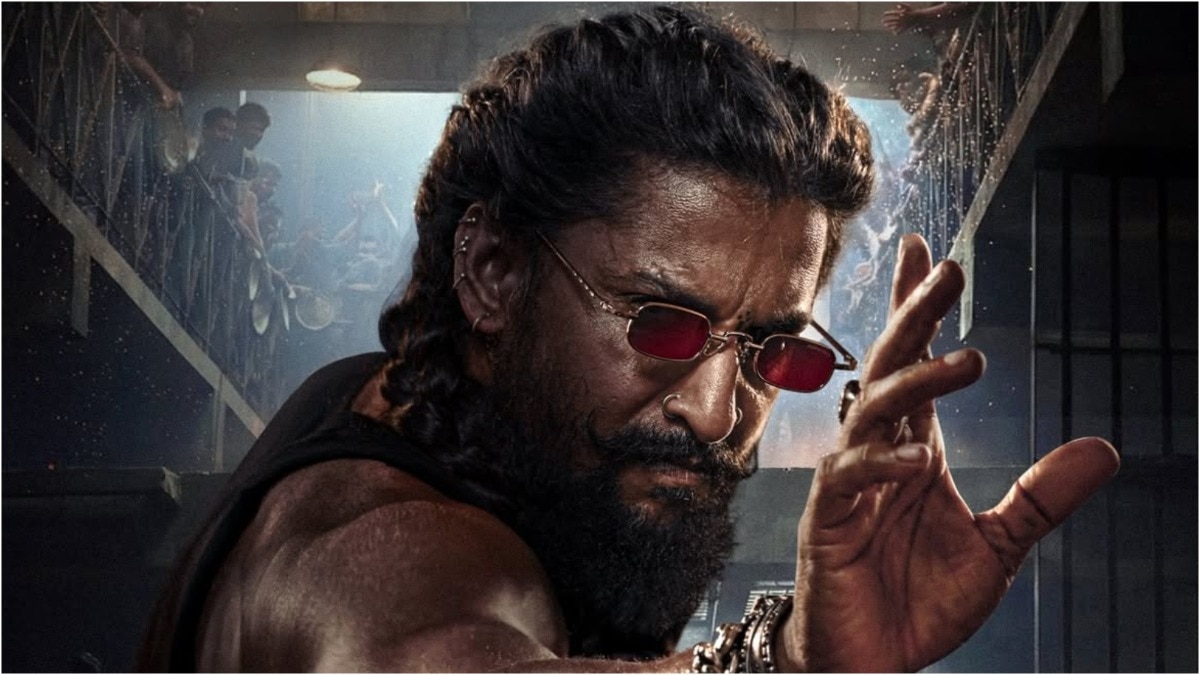
That makes The Paradise an interesting experiment, particularly because the film is not some quiet little release slipping under the radar. It is one of Nani's most ambitious projects, directed by Srikanth Odela after their collaboration on Dasara (2023). Its teaser has already offered glimpses of a dark, violent world, while the song Aaya Sher and Yeshanagula has helped keep the film in public conversation.
But the makers are stopping short of showing us the rest.
There is something appealing about that restraint. We live in an age when films are dissected before they are released. Trailers are slowed down, screenshots are analysed, dialogue is turned into memes and major twists are sometimes guessed before the opening credits roll. Marketing has become so eager to convince us to watch a film that it can occasionally leave little left to discover.
The Paradise takes the opposite route. It allows the audience to know less. Whether that works or doesn't is another matter.
Nani's credibility certainly helps. He has built a career where the curiosity around the actor and the material often comes from the choices themselves. His reunion with Odela adds another layer: Dasara established a particular visual and emotional language between the two, and audiences now know enough about that partnership to wonder what they have made this time.
But credibility is not a guarantee. Nor is curiosity the same thing as a ticket. A trailer serves a genuine purpose, especially for audiences who know little about a film. Without one, The Paradise has to depend more heavily on its teaser, music, cast, word of mouth and the reputation of the people making it. Some viewers may find that exciting. Others may simply want to know what they are buying before they buy it.The pan-India debate
And then there is the film's second refusal. Despite releasing in multiple languages, Nani does not want The Paradise to be called a “pan-India” film. Telugu, he has said, remains the primary target. Audiences in other languages are welcome to discover it, but the film does not need to introduce itself by announcing that it belongs everywhere.
That distinction is important here because “pan-India” has become almost a marketing category of its own. A film can be labelled pan-India before audiences have even decided what they think of it. The term promises scale, reach and ambition. Nani's decision is less about any of it: make the Telugu film first, and let everyone else come to it on their own terms.
The two choices may look unrelated, but they are really saying the same thing. Don't oversell it. Don't explain everything. Let the film arrive before deciding what it needs to be.
That philosophy extends to what Nani has said about the story itself. The teaser suggests an intense drama set in the 1980s Secunderabad, with Nani playing Jadal, a man from an oppressed community fighting against a system that has denied his people dignity. Yet the actor has also described The Paradise as a “beautiful mother-son story."
That contradiction is perhaps the most intriguing thing about it. A film that looks loud is asking to be discovered quietly.
Of course, the real test begins on September 24. If audiences embrace The Paradise without having been shown a conventional trailer, the experiment could make filmmakers reconsider how much they need to reveal before release. If audiences hesitate, it will also explain why the trailer became such a powerful part of the cinema-going ritual in the first place. But for now, Nani is only asking viewers to do something increasingly unfamiliar: trust the film enough to wait.- EndsPublished By: Anisha RaoPublished On: Sep 16, 2026 16:44 ISTALSO READ | Nani's Paradise folk song Yeshanagula tops YouTube charts with 44 million views