‘Nothing about us, without us’: Cape Town GBVF activists slam parliament exclusion - IOL
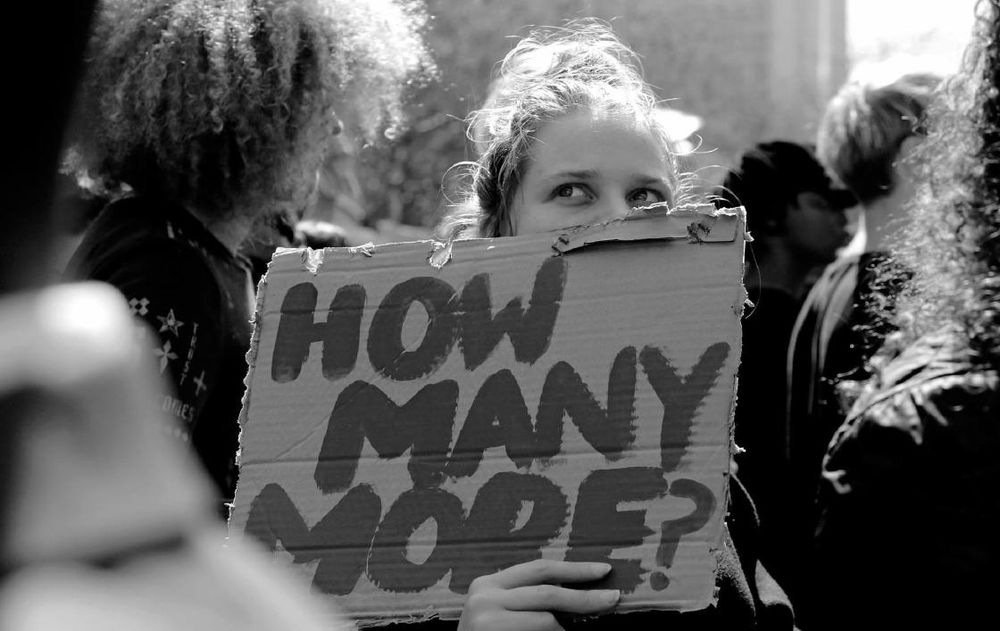
Cape Town gender-based violence activists are fuming over their exclusion from yesterday’s urgent parliamentary debate on GBVF, with DA MP Lisa Schickerling conceding that Parliament should create stronger mechanisms to hear directly from survivors, grassroots organisations and frontline workers.
The DA successfully requested the National Assembly debate of national importance following the murders of women in Ekurhuleni, saying the violence reflected a broader national crisis requiring urgent parliamentary attention.
But activists in Cape Town questioned how Parliament could debate gender-based violence and femicide while those dealing with its consequences daily were not directly part of the sitting.
Their anger comes amid heightened frustration over the continued murder, rape and assault of women and children.
Prominent South African author, community activist, humanitarian and founder of Aurorah NPC Latifa Jacobs said the key question was who had been left out.
“My concern is simple... Who is missing from these conversations?” Jacobs said.
“We cannot keep discussing GBVF without the voices of survivors, community activists, grassroots organisations and the people doing the work every day.”
Jacobs warned against GBVF becoming about political point-scoring.
“This is about lives. Bring the people closest to the pain into the conversation, because they are also closest to understanding what needs to change.
Heideveld activist Vanessa Nelson of Hope for the Future was equally critical.
“How do they call for a national debate, a closed debate for MPs, that does not sit or work or do the talk or walk in our communities?” Nelson asked.
“Our organisations are on the ground that works, that knows, that understands, that feels the pain of what is going through families of having lost a loved one, having to go through the trauma of being molested, raped, assaulted, and all of these forms of violence against women and children.”
Nelson accused the DA of politicising the issue and questioned the timing of the debate ahead of the local government elections.
“I am really shocked that the DA has called for a national debate on GBVF, but a closed debate for MPs. My question is, why MPs only? Why a closed debate?”
She said activists had spent years calling for interventions, safety, visibility and accountability.
“We’ve been doing awareness. We’ve been doing all of these things, and yet we are excluded from an all-important debate when it comes to GBVF.”
Prominent Cape Town activist Lucinda Evans also questioned why women working directly with survivors had been included.
“Why have we not been invited to this debate? Why have we as the women that don’t know if we are next, not been invited to participate in this debate? Does our voices not matter?” Evans said.
GBVF activist Andrew Albertyn said government needed to work more closely with communities.
He said women played vital roles in families and the economy, while their murders left children without mothers, care and guidance.
“Surely the government can do much more to get the local men and women to find better ways with trying to get more information as to how we can work together to stop this bad practice now happening in our communities.”
Responding to the criticism, Schickerling said the sitting was a National Assembly debate and was therefore subject to procedural limitations.
“But that doesn’t mean Parliament should operate in isolation from the people affected by the crisis,” she said.
Schickerling said the criticism should challenge Parliament itself.
“We cannot speak about women being unsafe while excluding the voices of women who have experienced that failure first-hand.”
She said survivors, NGOs, victim-support organisations and frontline workers should have meaningful opportunities to present evidence, make submissions and hold government accountable.
“And I would support strengthening those mechanisms going forward,” she said.
Schickerling said the DA wanted the debate to focus on implementation and accountability, including FCS unit capacity, detective workloads, forensic and DNA delays, victim-support services and coordination between SAPS, prosecutors and other departments.
“Parliament must be able to come back and ask: What was promised, who was responsible, what resources were allocated, and what changed? That is how we make this more than another debate.”
She said she would also support more structured engagement between parliamentary committees, survivors and civil society.