NPR's College Podcast Challenge is back for 2026

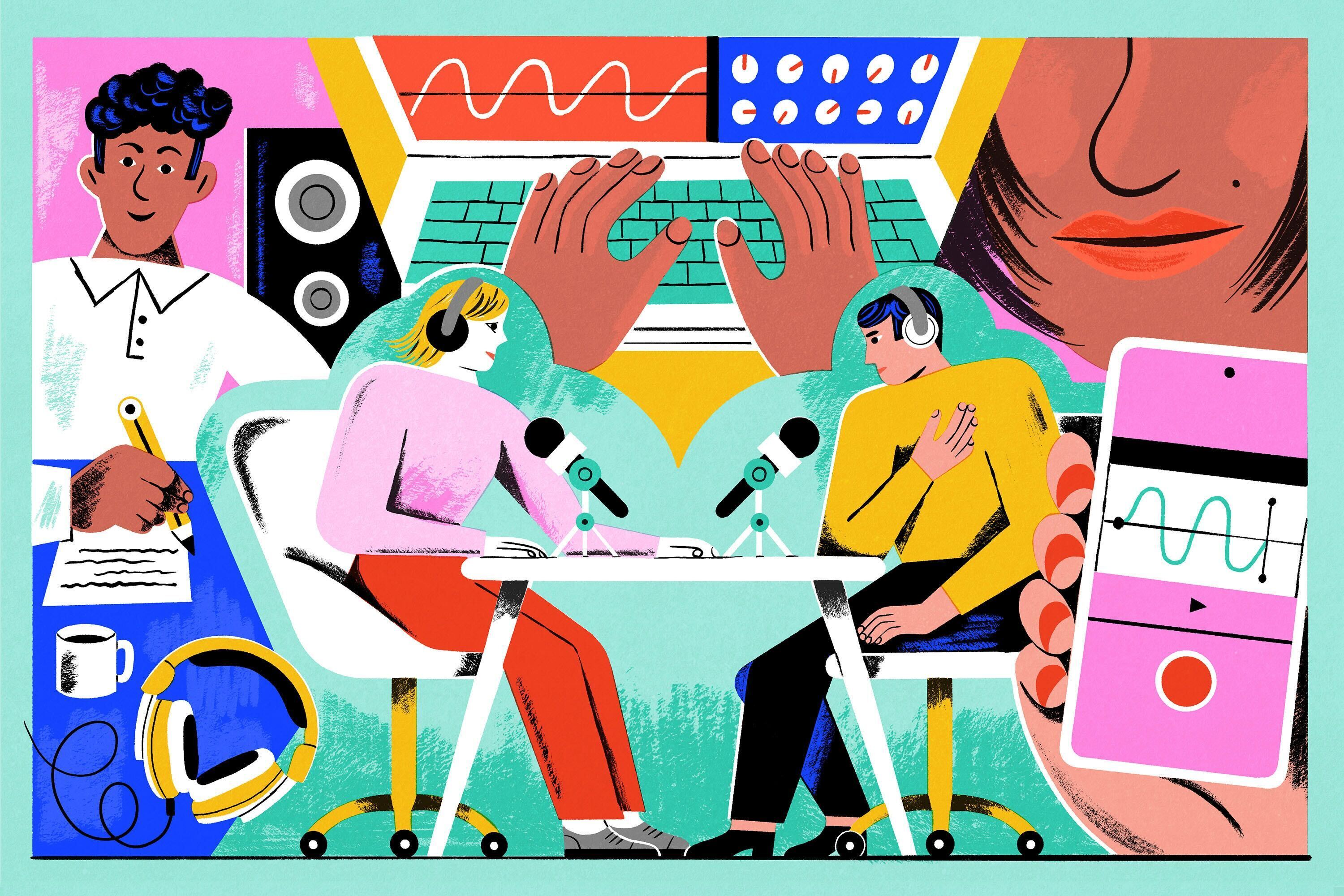
Enlarge this image LA Johnson/NPR LA Johnson/NPR Student Podcast Challenge On campus, there's that hum of excitement in the air as students find their way to classes, meet new roommates and scurry off to pep rallies and rush week.
Yes, it's that time of year for the NPR College Podcast Challenge.
Once again, students from campuses big and small will vie to win our $5,000 grand prize for the best college podcast in America. (And our $500 scholarship prize for finalists).
Now in its sixth year, the competition has engaged thousands of students from colleges in all 50 states and the District of Columbia.
And it's brought to our audience a wide range of compelling stories – from personal narratives to sound-rich explorations of places and events to hard-hitting journalism on issues and topics that are important to students.
Student Podcast Challenge March (Audio) Madness! Here are the finalists in NPR's College Podcast Challenge The College Podcast Challenge grows out of our NPR Student Podcast Challenge, launched in 2018 for students in grades 4-12, and is joined this year by something entirely new: the Senior Podcast Challenge for people 65 and older.
The rules for this year remain largely unchanged: Send us your audio story, no more than eight minutes in length, and free from any copyrighted music – see our rules page for very specific instructions on that.
Each year, we have to disqualify dozens of entries for failing to comply with these basic rules.
We've noticed some positive trends in recent years – the sound production and storytelling have gotten a lot better. Clearly, students today are relaxed and comfortable when speaking into a mic. You've all gotten much better at editing and producing your stories.
Just because sound effects are fun and available, it doesn't mean you need them. Especially in the quantity and volume we're hearing in some podcasts. Bottom line, when it comes to sound effects, the fewer the better. Or none at all.
Much the same can be said with music, or "scoring." Again, just because you can put music under your entire podcast doesn't mean you should. First off, that music often violates our strict rules about using original, non-copyrighted music.
And second, it's often a distraction: so loud that it drowns out the story you're trying to tell, or so constant that its value is diminished, or lost. We've got details here about how to – selectively – "score" your podcast, and a guide here on how to improve your audio recording.
And finally, since our best podcasts will appear on NPR, you should be mindful of the principles and ethics we follow in our journalism. First and foremost, you shouldn't be using AI to write or produce any part of your podcast.
Then there are other considerations: Are you taking care to tell both sides of a story? Have you reached out for a comment or made an attempt to respect the viewpoints of other people in your story? Have you included full names of characters in your story, and have you avoided revealing details that are private or personal to them? Learn more about that here.
Beyond those guidelines, though, all it takes is a good story. So, it's time to turn on your mic and start recording!
NPR does not offer or accept money for coverage or interviews. Anyone who makes such an offer or request is not an NPR employee and does not represent NPR.