One EV sold every 100 seconds: More electric cars to hit Australia’s roads
An electric vehicle was sold every 100 seconds somewhere in Australia during the first half of this year, as an influx of cheaper models and soaring petrol and diesel prices propelled EVs into the mainstream of the nation’s car market.
A record 157,958 electric vehicles were sold in the six months to June, more than double the number of sales during the same period a year earlier, according to the Electric Vehicle Council’s latest annual figures, released on Wednesday.
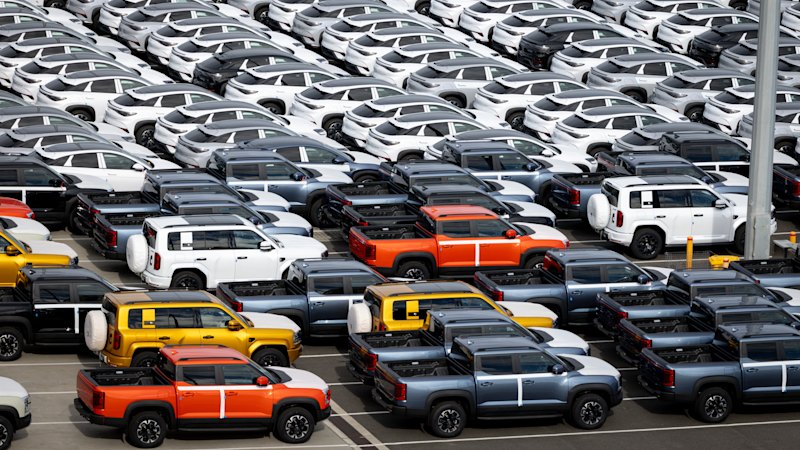
BYD electric vehicles unloaded at Port Melbourne.Ruby AlexanderFully battery-electric vehicles accounted for 103,716 of those sales, while the remaining 54,241 were plug-in hybrids.
All told, electric vehicles have now expanded their share of Australia’s new car market from 10 per cent last year to more than 25 per cent – or one in four new cars sold – as of last month.
The rapid shift marks a dramatic turnaround for a country long seen as a global laggard in electric vehicle adoption, which has been hampered by limited models and higher sticker prices relative to other markets. There were also concerns among some motorists about whether car batteries could deliver the range and performance needed to travel the nation’s vast distances.
Today, many of those barriers are falling away, and the market has turned with extraordinary speed. EV sales have soared this year as more motorists have sought to insulate themselves from sharply rising petrol and diesel prices due to the war between the United States and Iran cutting off global oil supplies. At the same time, an influx of lower-cost, predominantly Chinese, brands has introduced models priced close to – and in some cases below – comparable petrol and diesel-powered vehicles.
The EV sales surge was down to a “powerful combination” of greater vehicle availability, improved affordability and the growing awareness that EVs provided “one of the best ways to cut the cost of living right now”, Electric Vehicle Council chief executive Julie Delvecchio said.
“Against the backdrop of extreme fuel volatility this year, more and more Australians are voting with their wallets by switching to an EV,” she said.
The shift is increasingly being reflected in consumer sentiment. A major new survey of more than 42,000 members of the NRMA, released last month, found drivers of petrol and diesel vehicles were now more anxious about high fuel costs than electric vehicle owners were about one of the biggest worries among prospective EV buyers: that they may not be able to find a place to charge.
NRMA spokesman Peter Khoury said the sales growth indicated that longstanding barriers to EV adoption were evaporating, and 2026 would be remembered as the tipping point.
“This is not a flash in the pan,” he said.
However, despite the accelerating uptake of passenger EVs, the Electric Vehicle Council’s analysis finds that the transition is “happening at a crawl” when it comes to electric vans and light trucks, which still account for less than 1 per cent of their respective markets.
“Freight electrification is the biggest unseized opportunity in Australia’s transition,” the report said.
This year’s EV boom is also introducing greater urgency for governments, electric utilities and automakers to ensure the availability of public EV-charging infrastructure keeps pace with demand.
The EV Council report finds that Australia’s public charging network has expanded to more than 4000 locations, up 235 per cent from its previous count in June 2025.
However, the “greatest risk is that the pace and quality of charging development fail to keep up with EV uptake”, it said. “This would not only mean too few chargers, but also queues at busy locations, persistent black spots, unreliable equipment, slow repairs and limited options for people who cannot charge at home.”
Charging problems were “highly visible” it added, raising the risk that even a relatively small number of poor experiences could have an outsize effect on public confidence, particularly as more Australians become first-time EV owners.
To sustain momentum in Australia’s EV transition, the EV Council is calling on governments to expand financial incentives for electric trucks and vans, and establish equity-focused support to help lower-income households switch to electric transport.
It is also calling for a nationally coordinated road map to guide the charging network rollout, and a “fair” federal road-user charge that will help make up for lost fuel-excise revenue, with funds to be delivered into local charging infrastructure.
Federal Energy Minister Chris Bowen said Australia’s August monthly auto sales figures showing full EVs (27,078) had outpaced petrol-only vehicles (25,824) for the first time ever was a “landmark moment”.
“Australians have seen through the scare campaigns and are voting with their wallets for cars that are cheaper to run, cleaner and reduce their exposure to international petrol prices shocks,” he said.
You have reached your maximum number of saved items.
Remove items from your saved list to add more.