Ontario trial into boy's death shows need to learn how to 'show up for an Indigenous child:' advocate

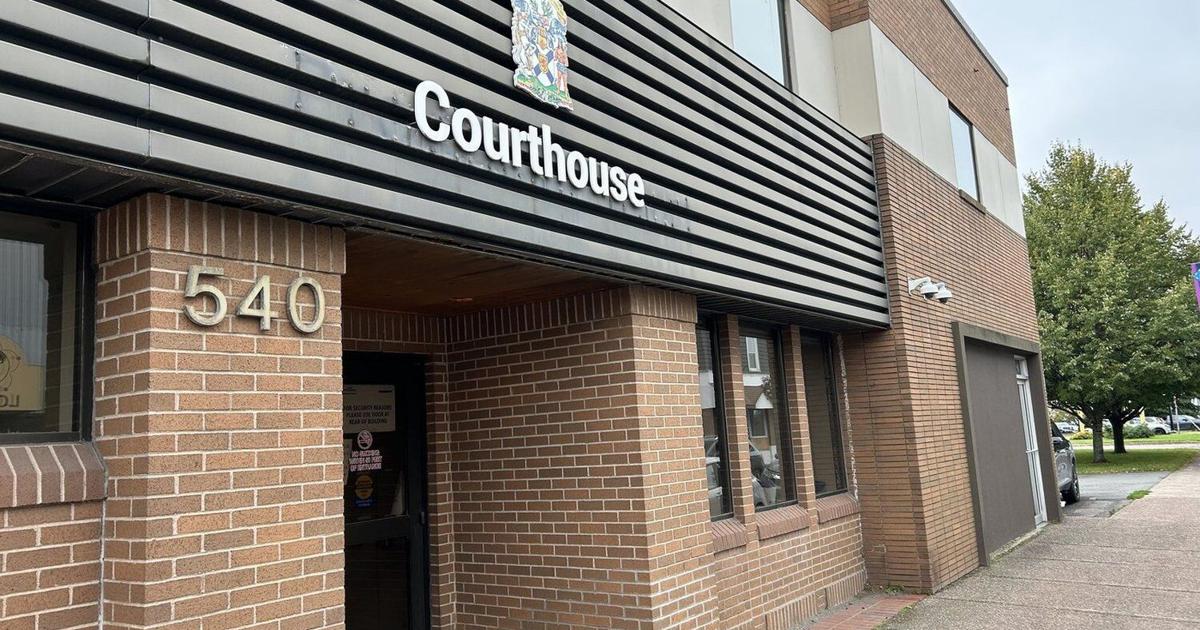
A observer wearing an orange shirt pin attends a reporter scrum outside the courthouse in Milton, Ont., on May 5, 2026. Becky Hamber, 46, and Brandy Cooney, 44, were found guilty in the first-degree murder of a 12-year-old boy in 2022 and of torturing his younger brother. (Evan Mitsui/CBC)Social SharingWARNING: This story details violence and child abuse.
For Halton Indigenous advocate Jody Harbour, a months-long murder trial in Milton, Ont., shone a light on "the continuing crisis of Indigenous child welfare in Ontario."
In July, two Burlington, Ont., women were sentenced to life in prison for the murder of an Indigenous boy they were trying to adopt, and for crimes against his younger brother, including assault.
Multiple observers have said the trial raised concerns about the child protection system and showcased systemic issues that need to be addressed immediately, including reducing the number of Indigenous children in care and working more closely with Indigenous groups and families to establish appropriate care.
At the July sentencing and other points during the trial, Indigenous community members came to Milton, Ont., to bear witness and support the boys' family. That included Harbour, co-founder of Oakville, Ont., Indigenous organization Grandmother's Voice.
Speaking to CBC Hamilton before the National Day for Truth and Reconciliation, Harbour said that since the sentencing, she's spent hours scrolling through comments and messages written by people who say they've been harmed by the child welfare system.
For her, the case highlighted a need for people at children's aid societies to understand "Indigenous ways of knowing."
"Front-line responders, support workers, the people on the ground [need to] understand what it means to show up for an Indigenous child," she said.
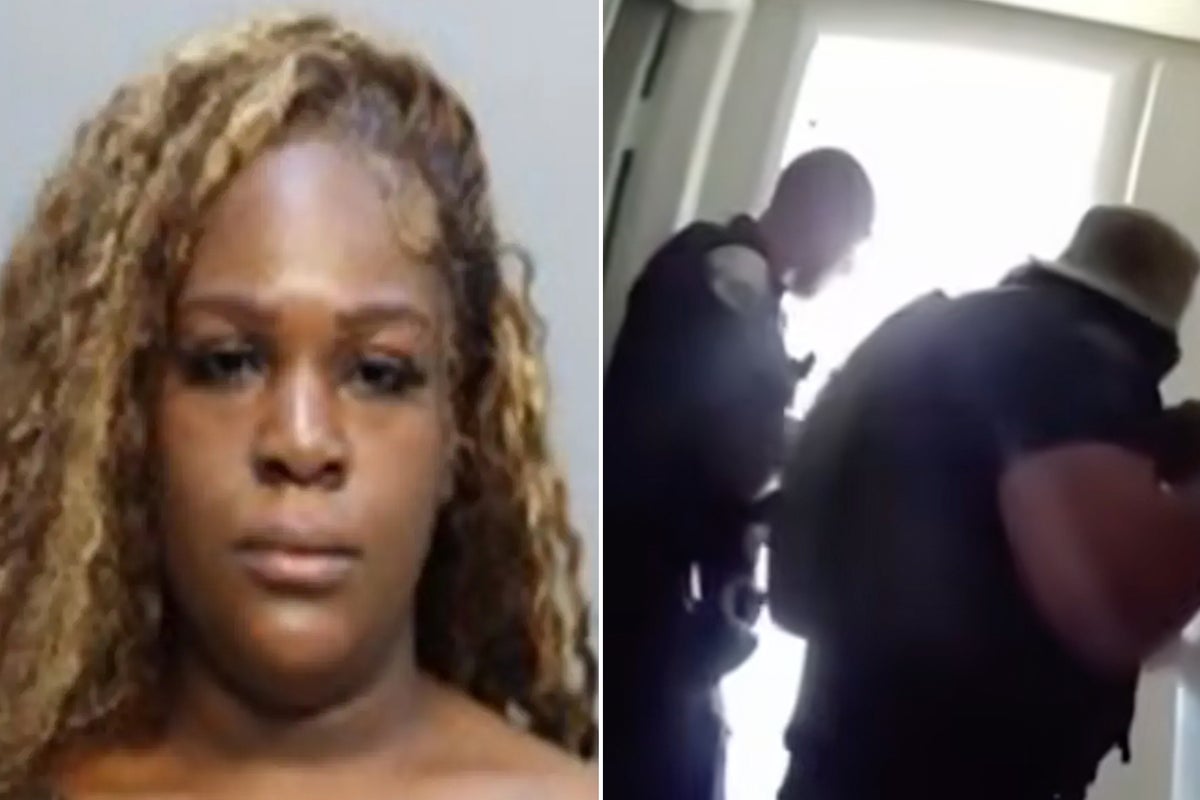
The months-long trial in Milton, Ont., heard the older boy, L.L., died on Dec. 21, 2022, after he was found unresponsive and emaciated in the basement bedroom of the family home. Superior Court Justice Clayton Conlan convicted his prospective adoptive parents Brandy Cooney and Becky Hamber of his murder in May.
L.L. and his younger brother, J.L., entered the child protection system when the older boy was a toddler due to concerns over their home environment that weren't detailed during the trial. CBC is referring to the boys using initials due to a standard publication ban on their identities.
L.L. and J.L. were moved from Ottawa to live with Cooney and Hamber in Burlington in 2017, but remained wards of the Ottawa Children's Aid Society (CAS). The Halton CAS was in charge of supervising the family on a daily basis.
The trial heard Halton CAS received many reports from people concerned about how Hamber and Cooney were treating the boys, yet workers never did unannounced home visits, nor did they interview the boys without Cooney or Hamber present, as is required.
Both CAS agencies previously told CBC they completed reviews for the Cooney-Hamber case and made changes after L.L. died. They haven’t shared specifics about those changes.
CBC Hamilton asked Halton CAS to confirm whether it has met or continues to meet with local Indigenous groups and community members about issues raised during that trial. CBC also asked the agency to comment on any specific steps it has taken to help its staff better support Indigenous families and children in their day-to-day work.
In an email, an agency spokesperson who did not provide their name said Halton CAS has "a long-standing commitment and practice of working in partnership with communities, partner organizations and service providers to support the safety and well-being of children, youth, and families."
CAS said it "continues to engage with Indigenous community leaders, representatives, and service providers to strengthen partnerships and enhance supports for Indigenous children, youth, and families.
"We have also expanded Indigenous-focused training and practice supports for staff, with an emphasis on culturally-responsive, relationship-based, and trauma-informed approaches that inform our day-to-day work," the email said.
Former foster mother Heather Walsh, centre, surrounded by supporters, speaks to reporters outside the courthouse on May 5, following the judge's decision in the trial of Becky Hamber, 46, and Brandy Cooney. Walsh and other supporters wore orange shirts to call attention to Indigenous child welfare. (Evan Mitsui/CBC)Harbour identifies as an urban Indigenous person with Cayuga and Ojibwa roots. She said the Haudenosaunee grandmothers and Anishinabek elders that guide the work of her organization are passionate about ensuring systems including children's aid societies do the the work they need to keep Indigenous kids safe.
Since L.L.'s death, Harbour said her organization has been in touch with Halton CAS and other local front-line organizations in order to "make change in [his] name."
She said one of those efforts is an ongoing program to provide front-line workers with "cultural trauma training," so they can better support urban Indigenous people.
Harbour said she believes that too often, frontline workers lack the tools they need to do so. She added it's also important for organizations to support any Indigenous workers brought in to educate, so they don't burnout from dealing with trauma.
Making change is “not about pointing fingers because those are human beings that work within CAS," Harbour said. "Reconciliation is saying we want to reconcile. We want to work together."
In March, Ottawa-based First Nations child advocate Cindy Blackstock told CBC News the trial brought home the need to implement the first five calls to action from the Truth and Reconciliation Commission of Canada. According to CBC tracker Beyond 94, none of those recommendations focused on the child-welfare system has been completed.
Sherry Saevil, a member of Mistawasis First Nation and a Halton resident shared similar thoughts.
Saevil was part of the Indigenous collective, Circle of Beads, that came together outside the Halton Children’s Aid Society in 2024 to raise awareness about the case.
In May, Saevil said she hopes there'll be an overhaul of the child welfare system and an inquest that examines the role of the Children's Aid Society agencies in this case.
Blackstock said governments need to do more to make changes that are structural and significant or there will be more deaths.
“The biggest price is paid by children," she said, "who pay with their lives and their childhood."
If you’re affected by this report, you can look for mental health support through resources in your province or territory . If you’re in immediate danger or fear for your safety or that of others around you, please call 911.
Justin Chandler is a CBC News reporter in Hamilton. He covers stories of all kinds from places including picket lines, court rooms, council meetings and research labs. Justin has a special interest in how public policy affects people, and loves a quirky human-interest story. Before CBC Hamilton, he worked for TVO and on a variety of CBC teams and programs. He co-hosted Radio Free Krypton on Met Radio.