Packaged kratom found at death scenes of two Ole Miss students. How dangerous is the drug?
Want to bookmark your favourite articles and stories to read or reference later? Start your Independent Membership today.
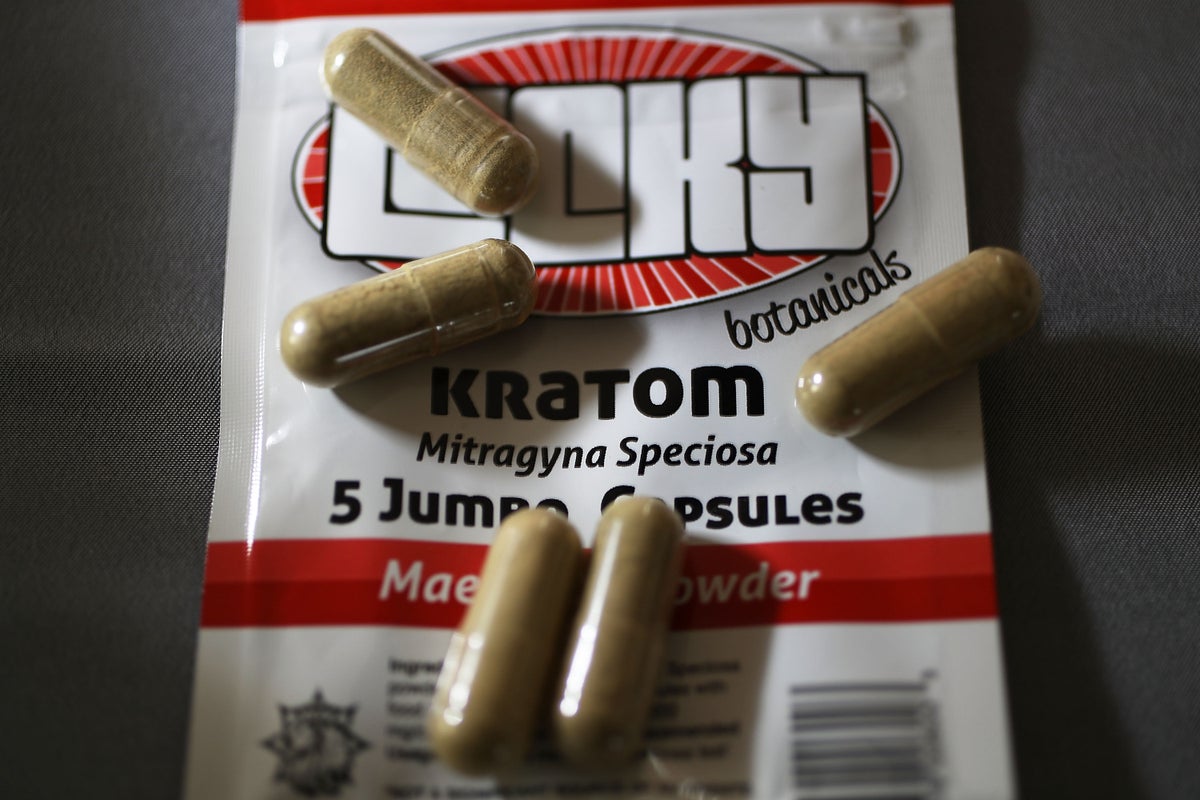
Investigations are underway into the deaths of two University of Mississippi students after packages of kratom, from a retail store, were found at both scenes.
The students have yet to be identified. One body was found Tuesday in a campus dorm room and the other individual was discovered at their home off-campus, according to WDSU.
Kratom is a plant-based psychoactive drug, also known as "thang” or “ketum.” It is often sold at gas stations or convenience stores and is used as an alternative to pain pills or for opioid withdrawal.
More than five million Americans have used kratom, according to University of Michigan research. In some cases, the substance has proven to be deadly when combined with alcohol or other drugs.
In Mississippi, narcotics investigators had yet to confirm a connection between the two deaths but urged the public to avoid using kratom.
The drug comes from a herbal extract made from the leaves of a Southeast Asian tree, known commonly as Kratom. The extract been used in traditional medicine for centuries to fight fatigue and comes in powder, liquid and pill form.
Some products have greater potency than others due to being made with a compound found naturally in kratom leaves called "7-OH." Companies extract 7-OH and chemically alter the compound to increase the product's strength. These are the most dangerous forms of kratom, Yale Medicine says.
The drug acts as a stimulant in low doses but has sedative effects in high doses, according to the U.S. Drug Enforcement Administration.
It starts to work in just minutes, the Mayo Clinic says. Effects can last a few hours, depending on dosage. Kratom is often used to self-medicate for pain, coughing, diarrhea, anxiety and depression but also opioid withdrawal and in opioid use disorder.
Kratom can lead to psychotic symptoms and is addictive. The drug has not been shown to be safe or to have the ability to treat any medical conditions.
Common side effects include weight loss, dry mouth, nausea, vomiting, liver damage, muscle pain, constipation and high blood pressure. Taking kratom can also sometimes cause dizziness, drowsiness, hallucinations, trouble breathing and seizures.
Nearly all deaths from kratom involve other drugs or harmful substances, the Mayo Clinic states. There are a couple of hundred kratom-related deaths in the U.S. each year.
There have been several high-profile deaths connected to kratom use, including Memphis Grizzlies basketball player Brandon Clarke and Tyler Wall, a trainer for YouTube star MrBeast.
Kratom is typically sold online but can also be bought at some gas stations or smoke shops.
There are no government-approved kratom products, or legal over-the-counter drugs containing kratom in the U.S., the Food and Drug Administration says.
Several states have made it illegal to sell, possess or distribute kratom, according to Yale Medicine.
Kratom is banned in Alabama, Arkansas, Connecticut, Indiana, Louisiana, Tennessee, Vermont and Wisconsin.
More states have proposed bans, including California, New Mexico, Minnesota and Kentucky.