Pahalgam attack, nuclear threat, conflicts: Big takeaways from BRICS declaration
Three years ago, India pulled off a major feat at the G20 Summit by getting members to sign a consensus declaration. It managed to do so again at the BRICS Summit, with member states unanimously adopting the New Delhi declaration despite deep differences within the grouping. The declaration, coming after late-night negotiations and talks heavily strained by sharp differences between the UAE and Iran over the Middle East conflict, touched on some of the biggest fault lines - from terrorism, tariffs, and nuclear risks to the need to resolve conflicts through dialogue and diplomacy.
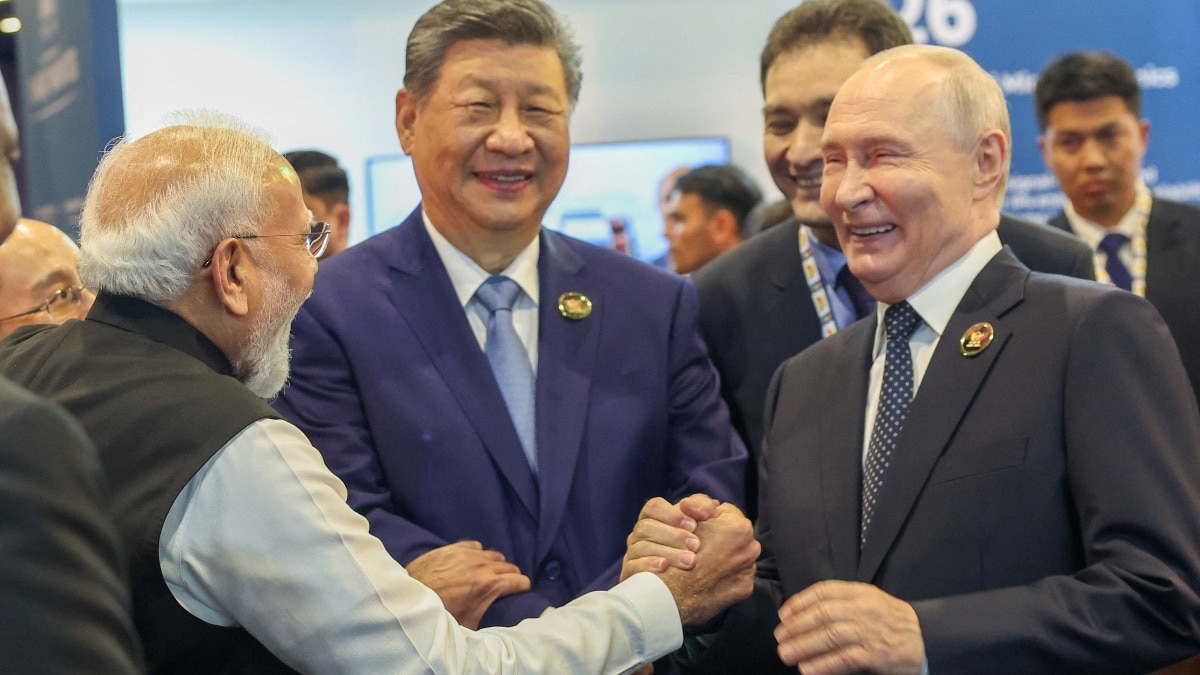
The fact that the declaration was adopted on the very first day of the summit speaks volumes about India's diplomatic heft and strategic approach in bringing all the BRICS nations to agree on a common language. The optics were equally striking, with BRICS leaders, including China's Xi Jinping and Russia's Putin, clapping in unison as PM Modi announced the declaration.
"No member has raised any objection. The New Delhi Declaration 2026 is adopted unanimously," PM Modi said. Prime Minister Narendra Modi during the BRICS Summit 2026 BIG TAKEAWAYS FROM BRICS DELHI DECLARATION
* Calling for zero tolerance for terrorism, the BRICS nations specifically condemned the Pahalgam attack in Jammu and Kashmir, which left 25 tourists dead and triggered a conflict with Pakistan.
* Significantly, the declaration calls for rejection of "double standards" on terrorism and accountability for those involved. While no country was named, the wording left little doubt about whom the message was aimed at - Pakistan.
* The declaration also called for faster adoption of the Comprehensive Convention on International Terrorism - a treaty that was tabled by India at the UN way back in 1996. It aims to create a universal legal framework against terrorism and terror groups. Prime Minister Narendra Modi with Chinese President Xi Jinping during the 18th BRICS Summit, at the Bharat Mandapam
* With turmoil in the Middle East and no end in sight to the Russia-Ukraine war, the declaration stressed the need to step up efforts to prevent conflicts. The BRICS leaders also reiterated their commitment to resolving disputes through dialogue and diplomacy.
* Reaching a consensus on it must have been the toughest part. Apart from Russia, the BRICS grouping includes Iran, the UAE and Saudi Arabia - countries that have been engulfed in the wider conflict between Tehran and Washington.
* Gaza was a key focus of the declaration, with the BRICS calling for maintenance of the ceasefire and "unhindered" humanitarian aid. The declaration also backed a two-state solution, which has always been India's stance, and full UN membership for Palestine.#WATCH | PM @narendramodi, along with BRICS leaders, poses for a Family Photo.@BricsIndia2026 @MEAIndia#BRICS2026 #BRICSIndia2026 #IndiaBRICSChairship #BRICS26OnDD pic.twitter.com/Usdl0Zqud5— DD India (@DDIndialive) September 12, 2026
* While the US was not at the BRICS table, it was undoubtedly the silent elephant in the room. The BRICS declaration condemned unilateral economic and secondary sanctions, stressing that they could undermine development, food security, healthcare and human rights.
* The grouping also expressed concern over unilateral tariffs, non-tariff barriers and other protectionist measures - an unmistakable reference to the wave of US tariffs imposed by Trump last year.
* The BRICS also expressed concern about "growing risks" of nuclear danger and conflict - a language that reflects heightened unease following strikes on Iranian nuclear facilities and the broader deterioration of arms-control frameworks between major powers.
* It marks an escalation in tone from earlier BRICS statements, which so far avoided language like "immediate growing" risks.- EndsPublished By: Abhishek DePublished On: Sep 12, 2026 17:58 IST