Patrick Clancy’s ’60 Minutes’ Interview Could Impact Lindsay Clancy Retrial - Newsweek
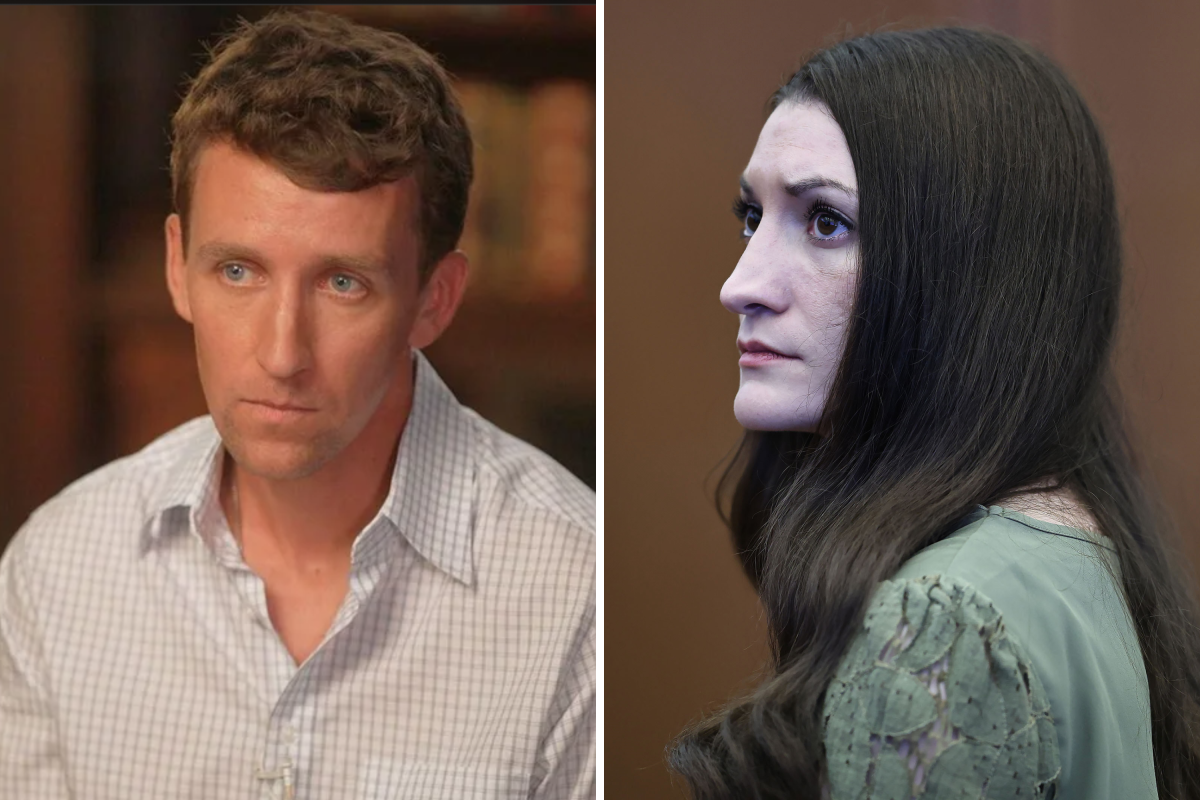
Patrick Clancy’s 60 Minutes interview could influence a potential Lindsay Clancy retrial, two legal experts have told Newsweek, from the questions he may face on the witness stand to whether prosecutors pursue another trial at all.
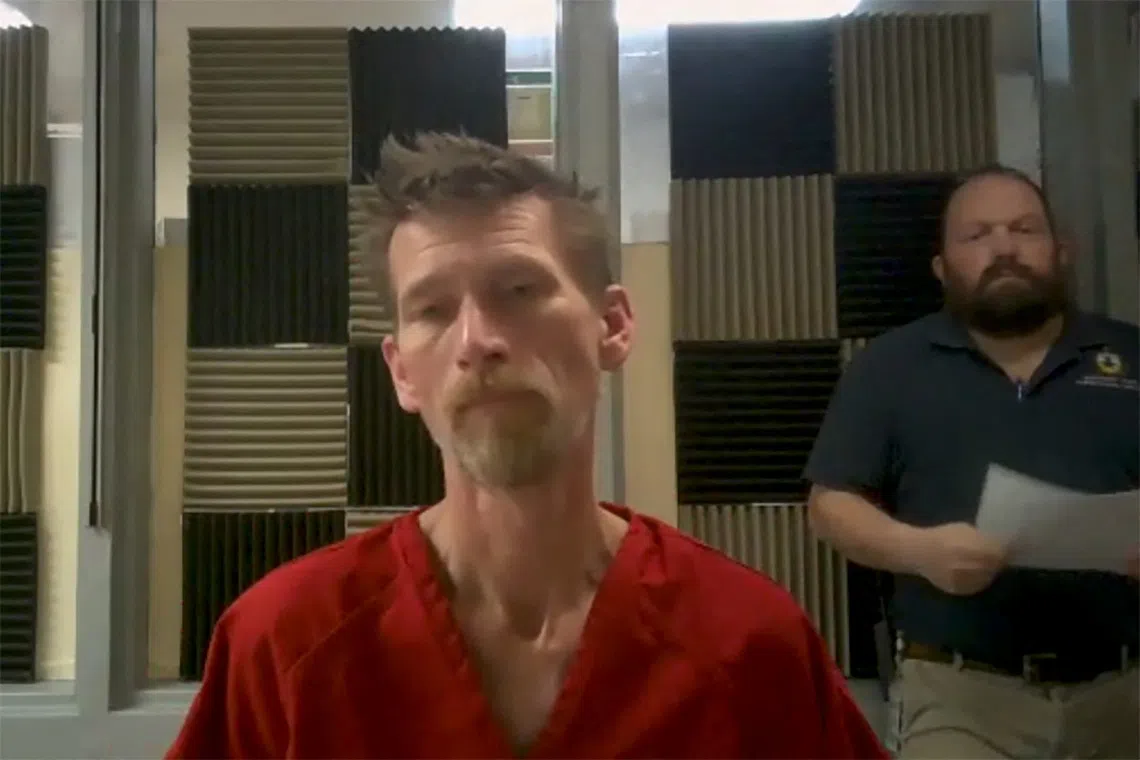
Patrick opened up to CBS News in an interview that aired on Sunday, in which he discussed his ex-wife’s mental illness and recalled details from the aftermath of the deaths of their three children, Cora, 5, Dawson, 3, and 8-month-old Callan, who were killed at the family's home in Duxbury, Massachusetts, in January 2023.
Lindsay, who was charged with murder, pleaded not guilty, with her defense attorney arguing that postpartum psychosis had left her not criminally responsible for their deaths. The case ended in a mistrial earlier this month, after 12 jurors deliberated for seven days but failed to reach a unanimous verdict. Prosecutors have not yet said whether they will retry the 36-year-old former labor and delivery nurse.
Patrick’s new comments included recounting how his ex-wife described what happened as being “like a dream” and saying that she had never asked him for forgiveness. Newsweek broke down the main takeaways from the interview here.
While these are unlikely to become evidence on their own, they could still shape what happens next in the case. Northeastern University law professor Daniel Medwed and Boston College law professor R. Michael Cassidy told Newsweek.
Both Medwed, whose specialties include criminal procedure, evidence, and Cassidy, who focuses on evidence and prosecutorial ethics, said Patrick's interview will likely be considered hearsay—information someone says outside court that a lawyer later tries to use in court as proof that the statement is true.
Hearsay is often inadmissible, but numerous exceptions exist, depending on who made the statement, when it was made and why a lawyer wants to introduce it.
“Patrick’s own statements in the segment might be treated as ‘hearsay’ if they are offered for their truth, e.g., that Lindsay Clancy in fact never asked for forgiveness,” Medwed told Newsweek. “Hearsay evidence is inadmissible unless an exception applies—and there are lots of them.”
“If anything [Patrick] said during the segment is considered hearsay, then the party offering the statement, whether the defense or the prosecution, would need to argue for admission under an exception,” he added.
Cassidy pointed to Patrick’s account of Lindsay saying the events felt “like a dream” as an example of where one party may try to argue it is hearsay while the other argues it meets an exception.
The prosecutor could argue this “double hearsay” (because it involves Lindsay’s statement to Patrick and Patrick’s later description of that statement during the interview) is hearsay, “but defense will argue this meets the exception for a statement of mental state, the so-called ‘state of mind’ exception to the hearsay rule,” Cassidy told Newsweek.
Under the Massachusetts Guide to Evidence, the state-of-mind exception allows certain out-of-court statements to be admitted as evidence of what the speaker was thinking, feeling or experiencing when the statement was made, rather than as proof that every event described in it occurred.
While Cassidy said he thinks “Clancy's interview will have very little effect on how the retrial is conducted,” he said it could have “a profound effect on whether the prosecutor seeks a new trial at all, or agrees to a plea bargain instead.”
He pointed to Patrick’s description of having a panic attack during the first trial, saying it was “very painful and compelling.”
“The prosecutor should always take into account the retraumatizing effect of a second trial on victims in a case,” Cassidy said. “Putting Mr. Clancy through a second trial if a plea bargain is on the table might be seen as callous.”
Patrick told CBS News’ Ross Douthat he had to be put into an ambulance because he had a “massive traumatic panic attack” before the 911 call was played during his second day of testimony.
"We did take a break right before they played the 911 call, which I knew was gonna be just horrific," Patrick said. "And I went to a back room, and I started having this massive traumatic panic attack. My heart was pounding. And they put me in an ambulance; they offered me some medication, but I said, 'I don't want it, 'cause I want to go back and I want to finish this so I can be done with this.' And I went back, and I finished the testimony.”
Even if Patrick Clancy’s interview is not admitted as evidence of what happened, it could still become relevant if Patrick testifies at another trial, Cassidy said. Attorneys can use a witness’s earlier statement to impeach or challenge that witness's credibility when the statement conflicts with what the witness says on the stand.
“Either side could use the statement to impeach Mr. Clancy if he says something different on the witness stand from what he said in the 60 Minutes interview,” Cassidy said.
In that situation, Cassidy explained, the point would be to highlight the inconsistency rather than establish that Patrick’s earlier account was true.
“The out-of-court statement is not being used for the truth of the matter asserted, but rather is just being used to detract from his credibility on the witness stand,” Cassidy added.
The Plymouth County District Attorney’s Office has not yet announced whether it will retry Lindsay, who is set to appear in court again on September 29. Her defense is seeking a dismissal of the charges.
After the mistrial, District Attorney Timothy Cruz told reporters: “There’ll be no decisions made today. I’m going to meet with our team, and we will address this case further at the appropriate time in the context of official court proceedings.”
Contact Newsweek editors on this story: Ben Kelly and Sam Wilson.