Pennsylvania woman becomes state’s third measles death of the year, officials say
A 40-year-old woman has become the third person to die from measles complications in Pennsylvania — amid a 35-year high in infections in the U.S.
The woman, who lived in Jefferson County, died on Saturday from complications associated with measles, county Coroner Greg Furlong said in a statement.
“This is a heartbreaking loss for the family and an unfortunate reminder that measles can be a serious and potentially life-threatening disease,” Furlong said.
Measles is a highly contagious virus that typically begins as a fever, cough and runny nose about 7-14 days after infection. The disease can cause severe complications, including brain swelling and pneumonia.
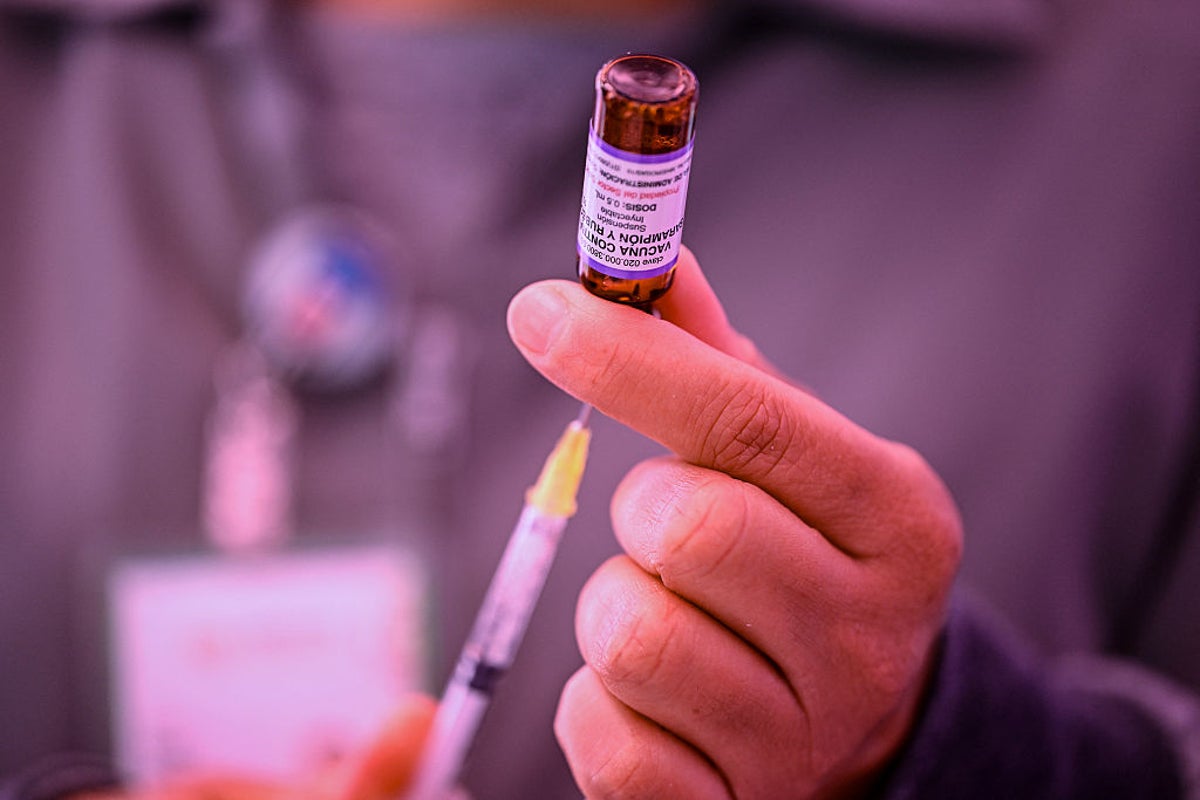
Most infections occur in people who have not been vaccinated. Two doses of the MMR vaccine, which also protects against the mumps and rubella, are 97 percent effective against infection and offer lifelong protection, according to the Centers for Disease Control and Prevention.
No other information about the woman will be released, Furlong added.
“Our thoughts and prayers are with the family during this difficult time. We ask that the public and media respect their privacy as they mourn the loss of their loved one,” he said.
The Jefferson County Coroner’s Office is working with the PA Department of Health on the case, Furlong said.
The 40-year-old woman is the third person to die in connection with the measles in Pennsylvania. The two other deaths both involved infants, according to Lancaster County coroner Dr. Stephen Diamantoni.
Neither was old enough to be vaccinated, as the first dose is given around 1 year of age.
Diamantoni said he told the CDC his conclusions, but CDC officials have not said whether they will count either death as measles-associated.
The number of measles cases in Pennsylvania continues to expand, with more than 630 cases across 37 counties this year, according to CDC data.
The U.S. eliminated the domestic spread of measles in 2000 by maintaining high vaccination rates. In recent years, vaccination rates have fallen below the 95 percent required to prevent outbreaks, causing measles infections to surge.
The current spike in measles cases is partially fueled by rising vaccine hesitancy spurred by misinformation, experts previously told The Independent. Figures from the CDC and state agencies show that vaccination rates have been falling since before the pandemic.
In November, international health officials are set to meet to determine if the U.S. and Mexico have lost their measles-free status.