Philadelphia ‘Obviously’ Dealing With a Serial Killer: Former FBI Agent - Newsweek
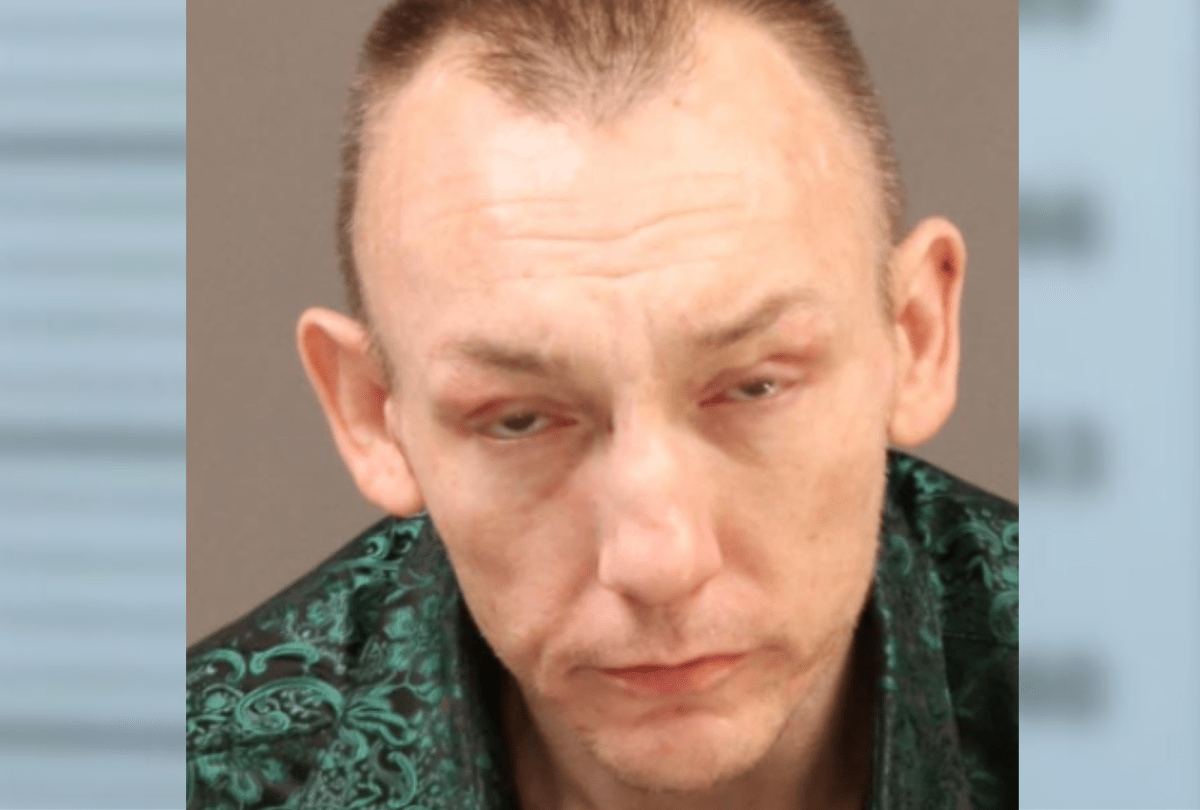
A Philadelphia man whose home has been linked to seven missing or dead women is clearly a serial killer, a former FBI special agent said Thursday.
J.J. Klaver, who spent 26 years at the FBI, said Eugene Horsch, 44, plainly fits the classification of a serial killer following Wednesday's announcement by police that images and videos recovered in his Philadelphia home appear to show five women unconscious or lifeless. Police sources said two other missing women are also connected to the residence.
The FBI defines serial murder as "the unlawful killing of two or more victims by the same offender(s), in separate events."
"Obviously, this guy's a serial killer," Klaver told Newsweek, adding that Horsch appeared to have extensively documented many of his alleged victims. "In this day and age, everybody's recording everything, but I think even today most people are not recording murders. But it appears this guy was."
Klaver noted that Horsch's father, Raymond "R.C." Horsch, 82, who lived at the home for decades prior to his death last year, had been a prominent pornographer who produced alleged "snuff films," or footage that purports to show real-life killings.
"I don't want to say he's following in his father's footsteps, but he appears to be taking it one step further and documenting his actual murders," Klaver said.
Among the missing women linked to the investigation are Gabrielle Amarando, who was 22 when she disappeared in 2012, and Maribel Fresses, who was 27 when she disappeared in 2018.
Philadelphia police declined to comment on Klaver's characterization of Horsch, who remains held in federal custody Thursday on gun and related charges.
"This remains an active and ongoing investigation," police said in a statement early Thursday.
Horsch's attorney did not respond to a Newsweek inquiry seeking comment.
Klaver said detectives in Philadelphia are now tasked with scouring roughly 1 million photos, videos and other pieces of evidence in the sprawling investigation into the home on Chew Avenue in Philadelphia's Olney section.
"I would think that within the Philadelphia police, the investigators are treating this as a serial killer; they're just not saying it publicly," Klaver said. "Because one of the challenges they have is they don't have any bodies."
No remains of the five women believed to be deceased have been recovered from the home. The city's medical examiner cannot conclusively determine their cause or manner of death, police said.
"It's very difficult to charge someone with homicide without a body," Klaver explained. "That's not to say it couldn't be done, and it has been done, but from an evidentiary standpoint, that's the biggest piece of evidence—the dead body."
Investigators are now working to locate any forensic evidence inside the home indicative of violence or homicide, as well as to connect with relatives of the dead or missing women, Klaver said.
"They're going to be reaching out to family members to get DNA samples so they can do forensic analysis of any potential DNA they find inside the house," the former FBI agent said. "There's a small chance they could get actual DNA of a potential victim, but as time goes on, I think that's less likely."
Investigators will also be excavating in and around the home in search of evidence linked to other potential victims, according to Klaver, who expects more dead or missing women to be identified.
"They haven't released anything publicly, but I think there's a good chance that number's going to rise," Klaver said. "They may have other images or piece of evidence for people they have not yet identified."
The volume of digital evidence will pose a particular challenge to investigators, Klaver said, although artificial intelligence may help in the preliminary review.
"There are AI tools that can assist them in finding common images," he said. "So, rather than going through 100,000 images to find out how many we have of this one victim, AI can assist with that."
An investigator would then verify any potential link identified by AI tools, Klaver said.
"You still need evidence technicians, police and forensic reviewers to go through each thing if they're going to use it in any kind of charging document, search warrant or criminal proceeding," he said.
Klaver said he believes Horsch had been searching for potential victims by targeting drug users, prostitutes or women he could easily exploit.
"He's got to get victims to his house, seemingly willingly," Klaver said. "So, how do you get these female victims to your house? Well, if they're sex workers, offer them money for sex. If they're drug users, offer them drugs."
Police launched a homicide investigation last month after reviewing images and videos recovered from Horsch's home that appeared to show the bodies of two women. He remains in federal custody on charges relating to possessing firearms and counterfeit DEA and FBI credentials, but authorities have yet to announce homicide charges in connection with any of the missing women.
Klaver surmised that Horsch may have targeted drug users or prostitutes due to his moral beliefs.
"There could be some element of his perceived morality in all of this," Klaver said. "Meaning that he thinks prostitution and drug use are sins and he's going to punish these people who commit these sins. Again, I think that could all come out later. He thinks he's doing society a favor."
Horsch was arrested on June 19 after police found him parked illegally in a spot reserved for law enforcement officers near Independence National Historic Park, police said. That vehicle had been spotted by a park ranger, who overheard a woman in the back seat of the car say, "You’re going to hurt me!" The woman later produced an ID belonging to Blair Tonzelli, who was 35 when she was reported missing in 2023.
"I don't think there's any question," Klaver said of Horsch qualifying as a mass murderer. "This guy's a serial killer."
Contact Newsweek editors on this story: Samantha Beech and Sam Wilson.